Xiāoniǎo

囂鳥Xiao Bird

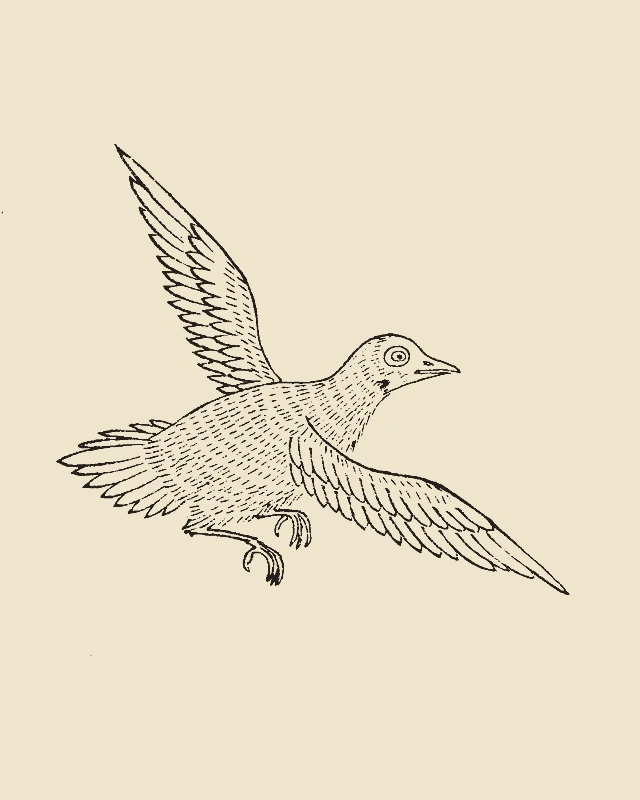
A one-eyed, four-winged bird of Mount Liangqu with a canine tail that cures abdominal pain.梁渠山上的独目四翼犬尾异鸟,食之可疗腹痛吐泻。

Body形体

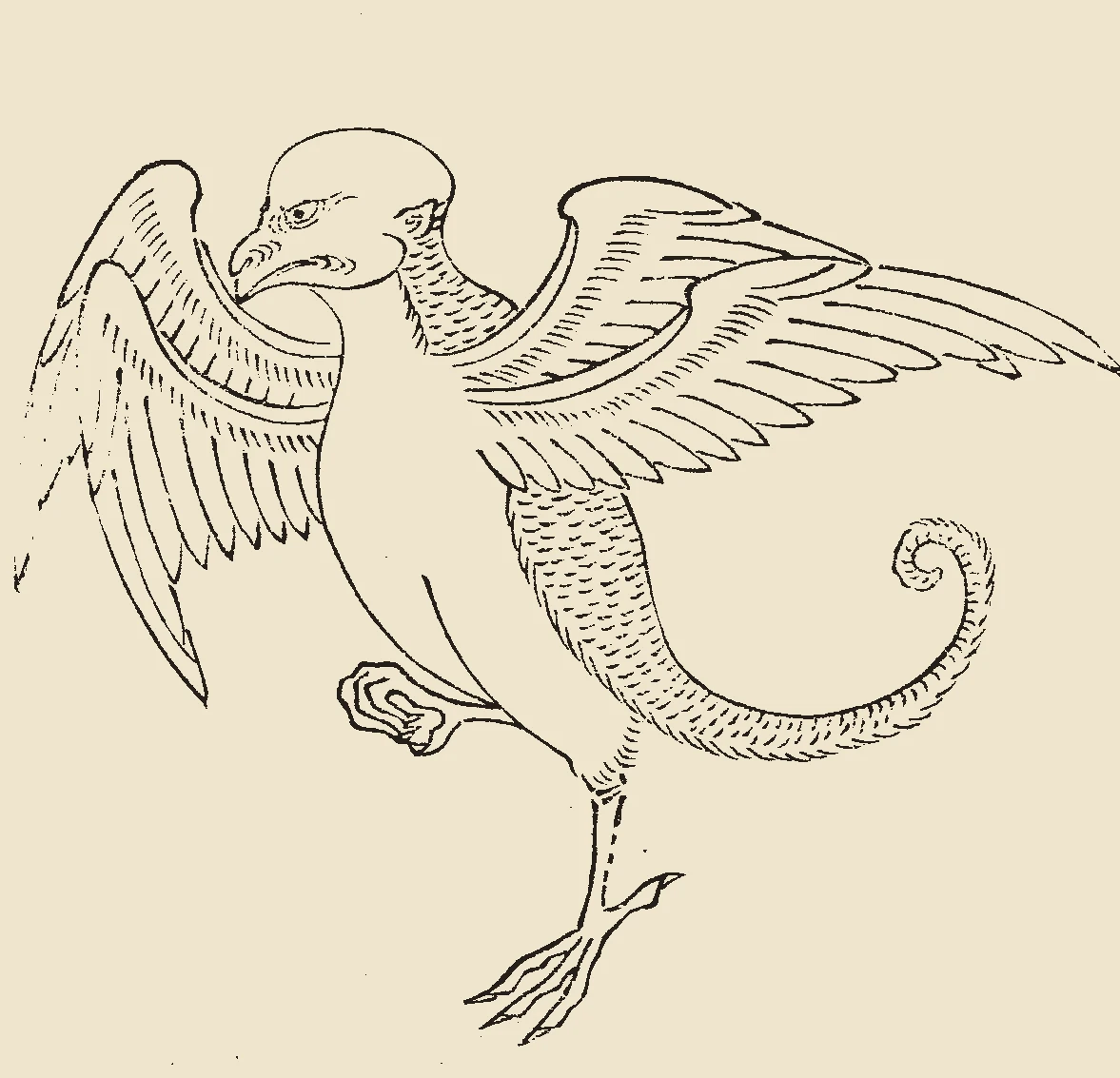
Shaped like Kuafu身貌类同夸父巨鸟

其狀如夸父

Wings四翼

Four wings生有四只展开羽翼

四翼

Eyes一目

Single eye面中生有独只眼睛

一目

Tail犬尾

Canine tail身后摆动长长狗尾

犬尾

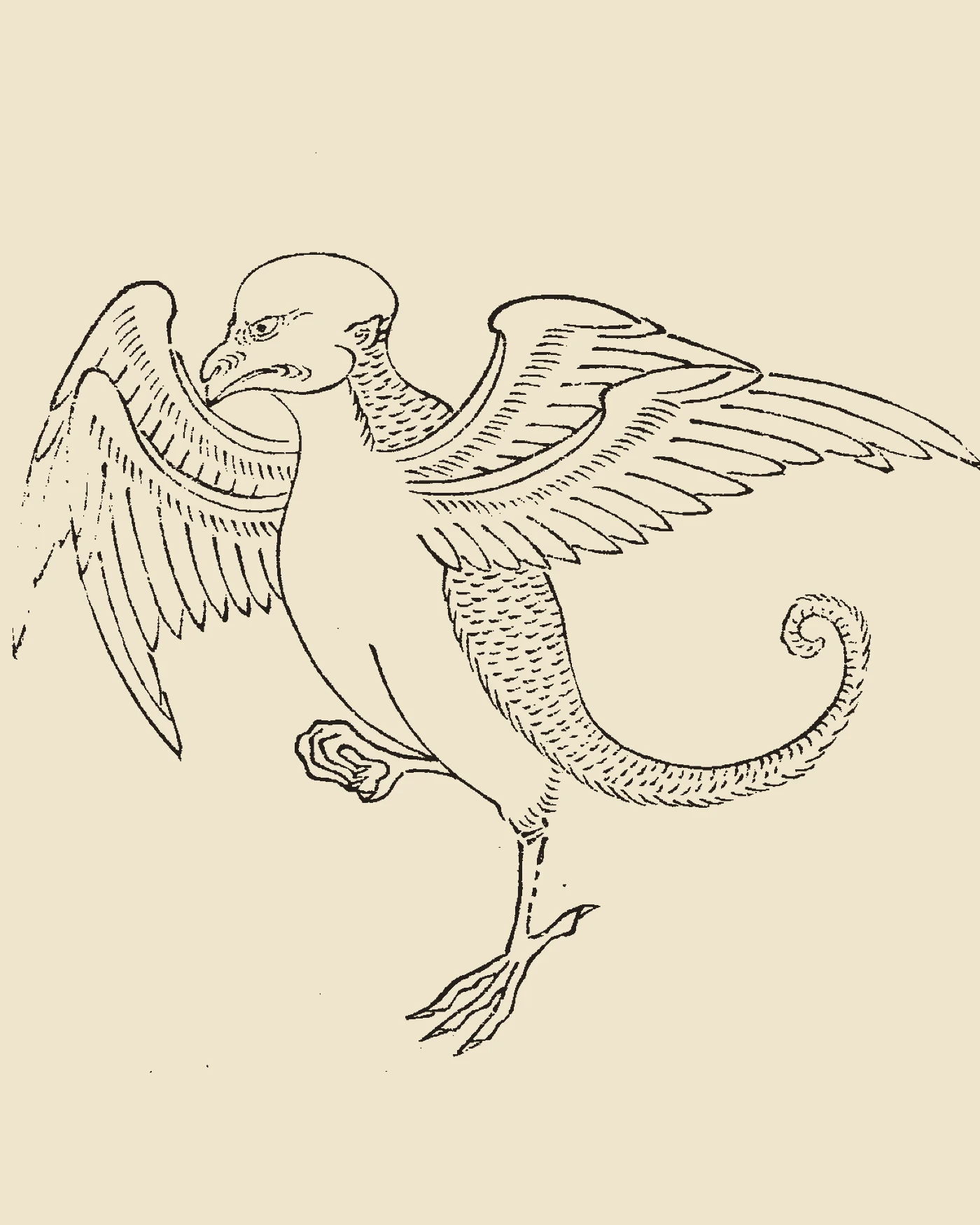
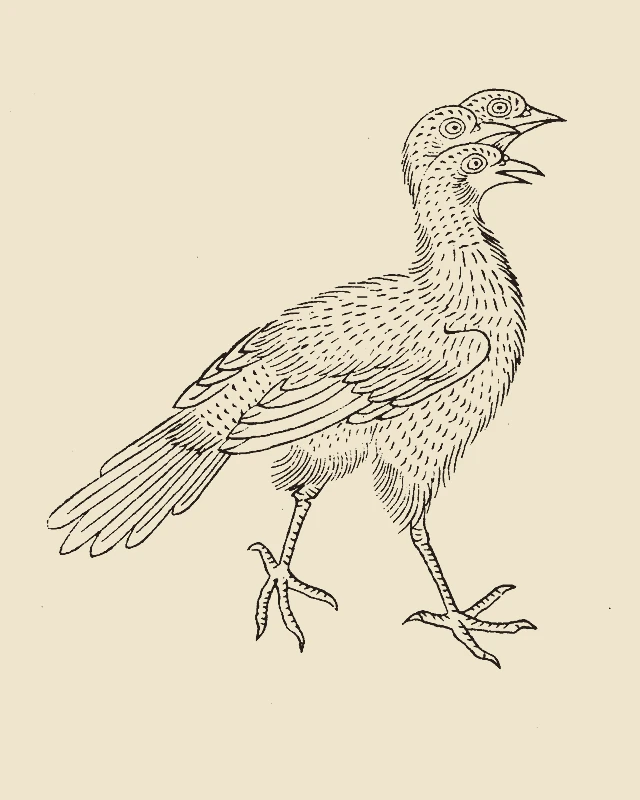
Woodblock print from the Gujin Tushu Jicheng: a strange four-winged bird with a fan-shaped tail on a grassy knoll, titled 'Xiaoniao Tu'四翼Four wings张开的四只羽翼四翼Four wings张开的四只羽翼一目Single eye面中生出的独目一目Single eye面中生出的独目其狀如夸父Kuafu-like body身形壮硕的异鸟其狀如夸父Kuafu-like body身形壮硕的异鸟犬尾Dog tail后部摇摆的犬形长尾犬尾Dog tail后部摇摆的犬形长尾
梁渠之山無草木多金玉

Mount Liangqu has no vegetation but abounds in gold and jade.

山海經·北山經
囂鳥圖, Gujin Tushu Jicheng 古今圖書集成, Qin Chong Dian (Section on Birds and Animals), woodblock print, 1726清·陈梦雷等编《古今图书集成·禽虫典》“囂鳥图”,雍正四年(1726)铜活字印本 · Public domain公有领域

Highlighted words: anatomy part · feature · form type — tap to jump标色词:形态部位 · 特征 · 形态类别,点击可跳转

The texts原文

Original Text & Translation原文与译文

山海經·北山經 · 山海經·北山經 · Wikisource

又北三百五十里,曰梁渠之山,無草木,多金玉。脩水出焉,而東流注于鴈門,其獸多居暨,其狀如彙而赤毛,其音如豚。有鳥焉,其狀如夸父,四翼、一目、犬尾,名曰嚻,其音如鵲,食之已腹痛,可以止衕。
Three hundred and fifty li further north is Mount Liangqu. It has no grass or trees and abounds in gold and jade. The Xiu River rises here and flows east into Yanmen; its beasts are mostly juji, shaped like hedgehogs with red bristles and cries like pigs. There is a bird here shaped like a kuafu, with four wings, one eye, and a dog's tail; it is named Xiao. Its call sounds like a magpie; eating it cures bellyache and can stop diarrhea.

Comparing the Books典籍对比

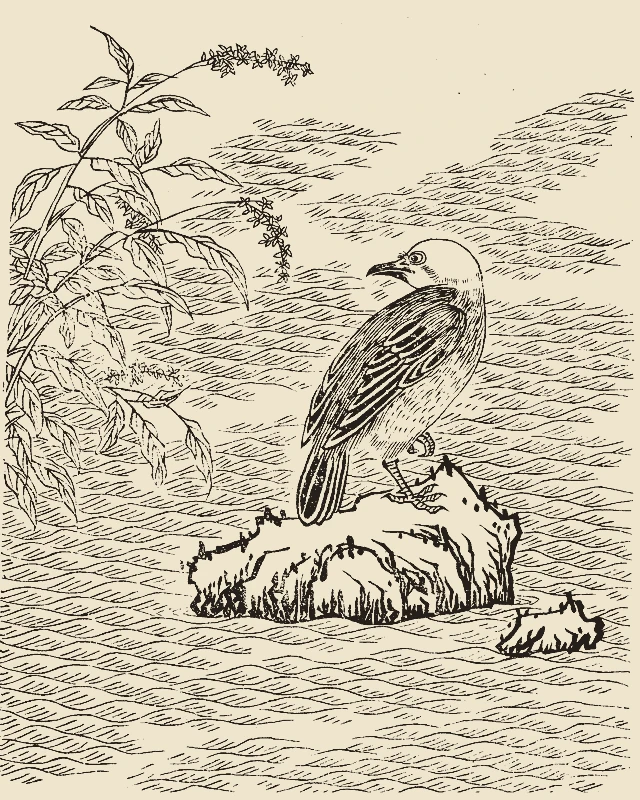
The Northern Mountains text details its one eye, four wings, and stomach-healing virtues; the Qing dynasty encyclopaedia depicts its wing feathers and robust form on an open hillock.
The story来历与故事

The Xiao bird (囂鳥 / 嚻) is a rare avian marvel recorded in the Classic of the Northern Mountains. It possesses a single eye, four spreading wings, and the tail of a dog, while uttering cries like a chattering magpie.

The Curative Bird of Mount Liangqu梁渠山之疗疾灵鸟

On the mineral-rich Mount Liangqu, where no vegetation thrives, the Shan Hai Jin在不生草木、盛产金玉的梁渠山上,嚣鸟与赤毛居暨共处一山。虽然生有四翼、独目与狗尾

On the mineral-rich Mount Liangqu, where no vegetation thrives, the Shan Hai Jing records this bizarre creature alongside the red-bristled juji. Despite its peculiar composite anatomy, its cry resembles an ordinary magpie.

Ancient herbal traditions prized it for functional medicine: consuming its flesh was said to swiftly relieve abdominal cramps and quell digestive ailments.

The Woodblock Depiction清代官版图考

In the Gujin Tushu Jicheng, the woodblock illustration presents a stout avian creature perched upon an earthy outcrop, emphasizing its distinctive layered wings.

The illustration retains the ancient name cartouche in bold woodblock relief, maintaining the authenticity of the Qing court encyclopedia.

Record档案

Record Card档案卡

TypeBird (four wings, one eye, dog tail)
Also known asXiāoniǎo 囂鳥; Kuafu-bird 夸父鳥
Earliest sourceShan Hai Jing · Classic of the Northern Mountains
Medicinal useCures stomach pain and stops diarrhea (已腹痛,止衕)
Earliest source山海經·北山經
Source books山海經·北山經
Image sourceChen Menglei 陳夢雷 (ed.) · Wikimedia Commons
LicensePublic domain

Frequently Asked Questions

What does the Xiao bird look like?

It has four wings, only one eye, and the tail of a dog.

What are the medicinal properties of the Xiao bird?

Eating its flesh cures stomach aches and arrests diarrhea.

Where is the Xiao bird recorded?

It is recorded in the Classic of the Northern Mountains within the Shan Hai Jing.