Qīnggēng

青耕Qinggeng

An azure, white-beaked guardian bird of Mount Jinli that wards off pestilence.堇理山上的青身白喙神鸟,能够抵御瘟疫侵袭。

Body体格

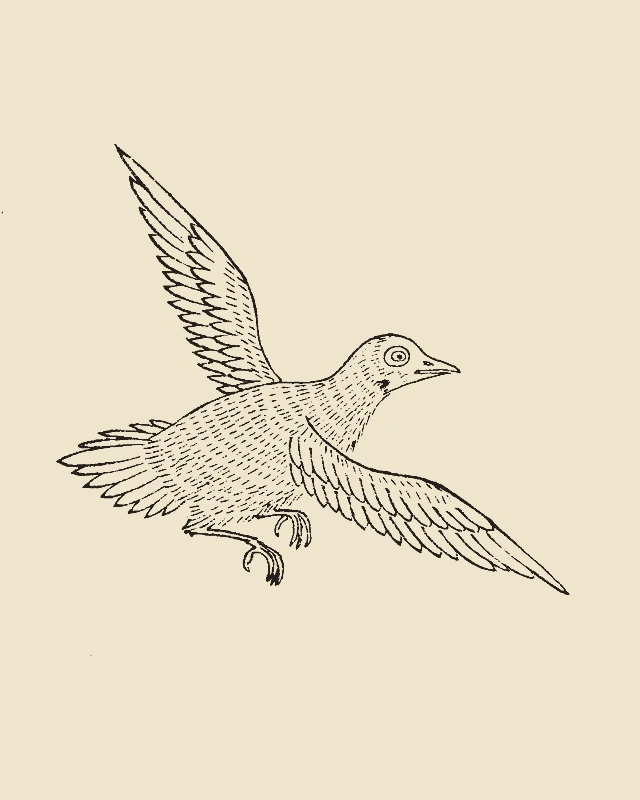
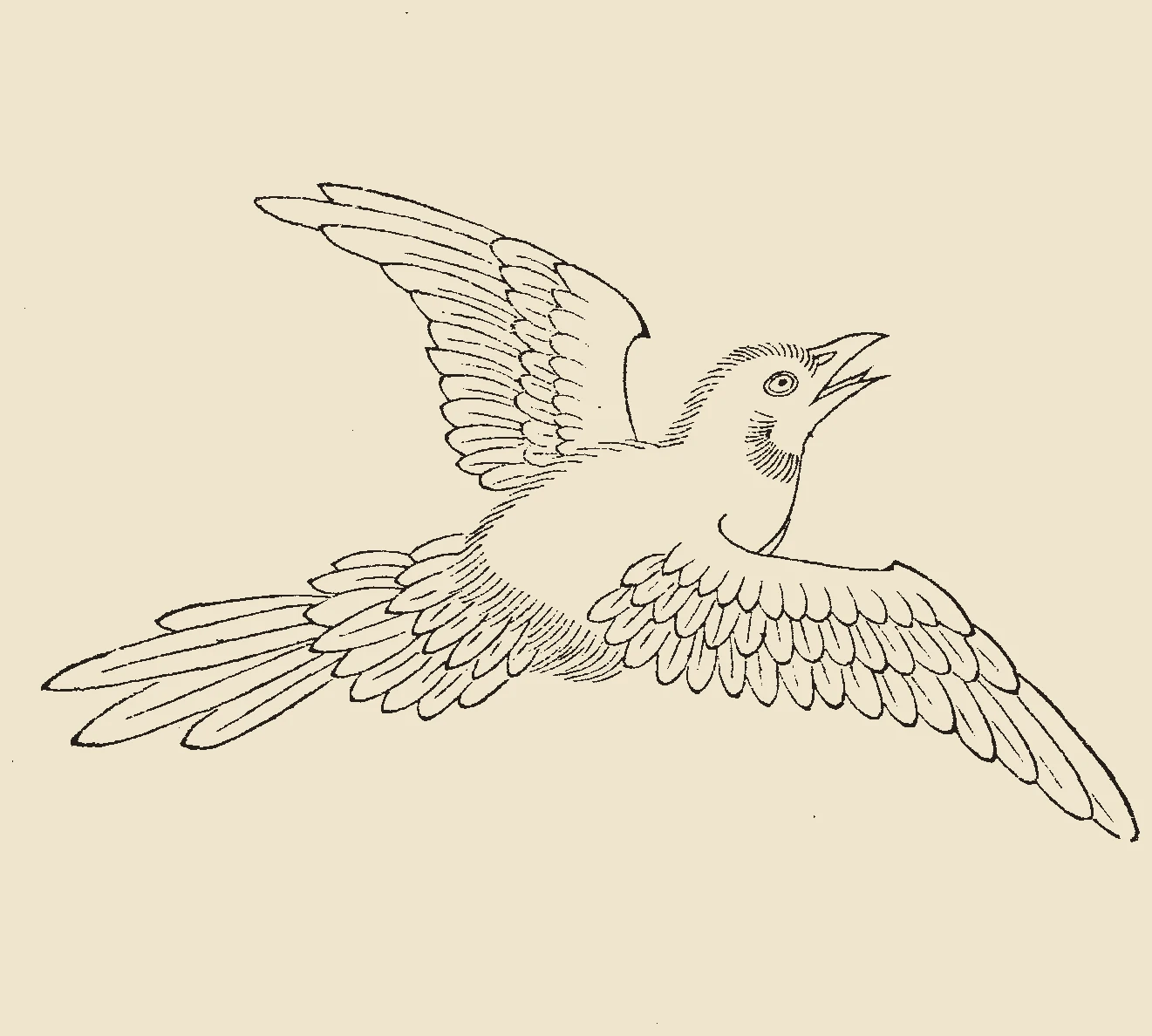
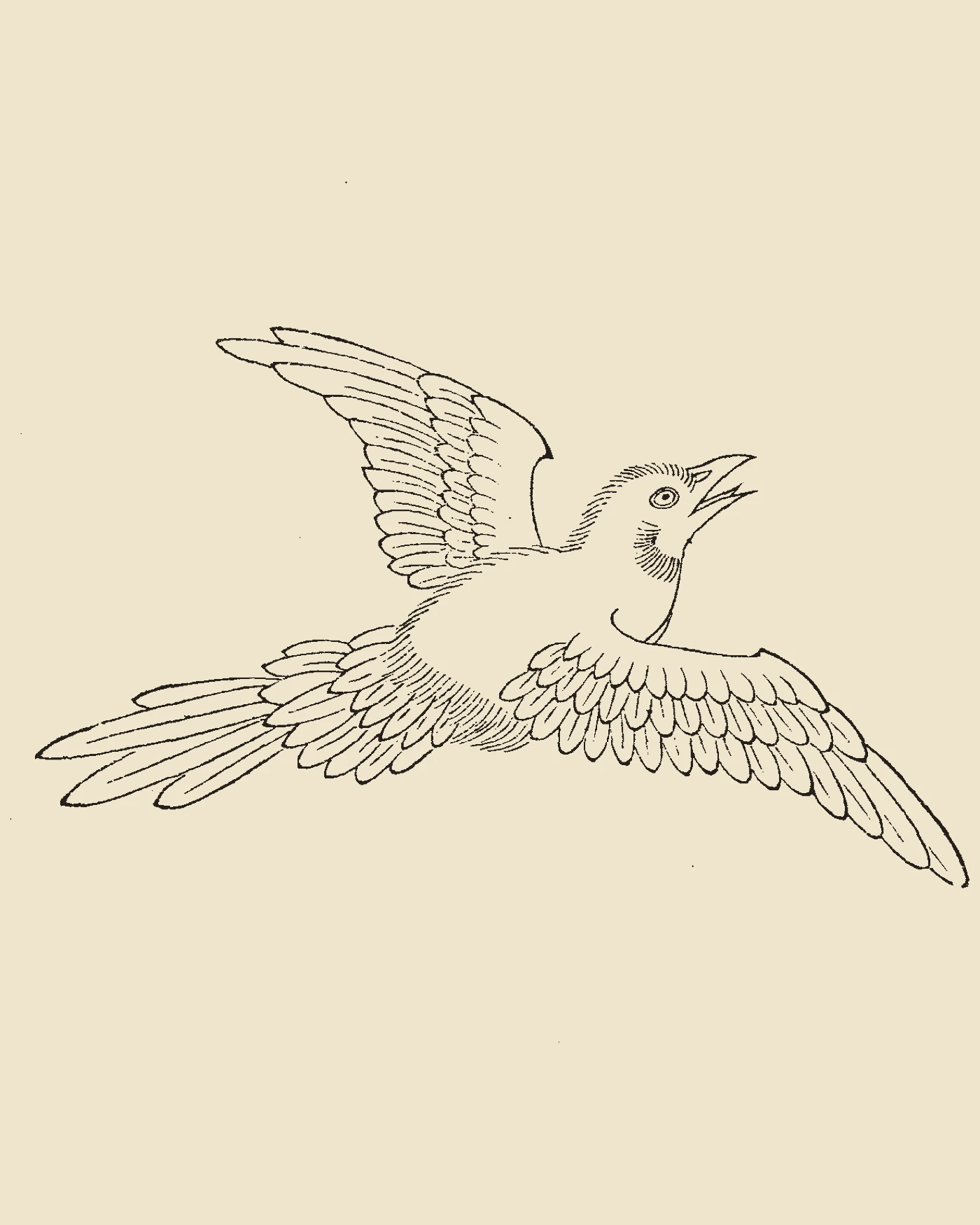
Magpie form飞禽外形如喜鹊

其狀如鵲

Colour青羽

Azure torso背脊胸膛披苍青色

青身

Head喙目

White beak and eyes生雪白鸟喙与双眼

白喙,白目

Power御疫

Protects from plague饲养可以禳除时疫

可以禦疫

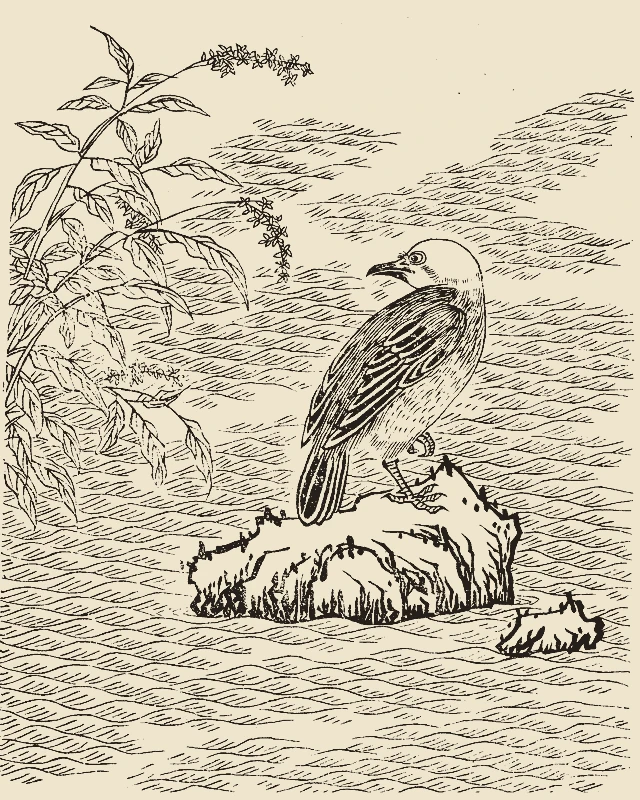
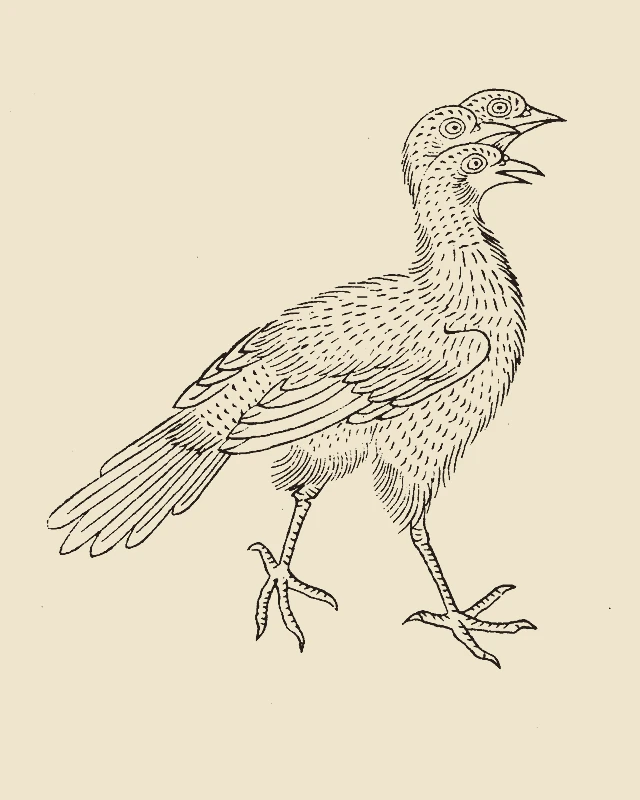
Woodblock print from the Gujin Tushu Jicheng: a magpie-like bird with elegant plumage perches on rocks beneath pines, titled 'Qinggeng Tu'白目White eyes炯炯有神的白目白目White eyes炯炯有神的白目青身Azure plumage青碧如玉的羽身青身Azure plumage青碧如玉的羽身白喙White beak素白如雪的鸟喙白喙White beak素白如雪的鸟喙爪足Perching claws稳踏枝头的爪足爪足Perching claws稳踏枝头的爪足
堇理之山其上多松柏多美梓

Mount Jinli: on its heights grow abundant pines, cypresses, and fine catalpas.

山海經·中山經
青耕圖, Gujin Tushu Jicheng 古今圖書集成, Qin Chong Dian (Section on Birds and Animals), woodblock print, 1726清·陈梦雷等编《古今图书集成·禽虫典》“青耕图”,雍正四年(1726)铜活字印本 · Public domain公有领域

Highlighted words: anatomy part · feature · form type — tap to jump标色词:形态部位 · 特征 · 形态类别,点击可跳转

The texts原文

Original Text & Translation原文与译文

山海經·中山經 · 山海經·中山經 · Wikisource

又西北一百里,曰堇理之山,其上多松柏,多美梓;其陰多丹雘,多金;其獸多豹虎。有鳥焉,其狀如鵲,青身白喙,白目白尾,名曰青耕,可以禦疫,其鳴自叫。
One hundred li further northwest is Mount Jinli. Its heights abound in pines, cypresses, and fine catalpas; its shaded north side abounds in cinnabar and gold; its beasts are mostly leopards and tigers. There is a bird here shaped like a magpie, with a blue-green body, white beak, white eyes, and a white tail, named Qinggeng; it can ward off pestilence, and its cry sounds its own name.

Comparing the Books典籍对比

The Shan Hai Jing identifies Qinggeng by its blue-green plumage and plague-dispelling virtue; the Gujin Tushu Jicheng woodcut depicts its magpie-like form upon alpine stone.
The story来历与故事

Qinggeng (青耕) is a celebrated benevolent bird of Mount Jinli recorded in the Central Mountains. While possessing the familiar posture of a magpie, its plumage gleams in deep cerulean blue set off by an alabaster beak, white eyes, and a snow-white tail; it is universally revered for its protective power against contagious disease.

The Anti-Epidemic Bird of Mount Jinli堇理之山与抗疫灵鸟

Mount Jinli rises among dense stands of aromatic pines and hardwoods, surrounded堇理之山上松柏苍翠,盛产丹砂与赤金。在这座充满险阻的高山深谷间,青耕鸟筑巢繁衍生

Mount Jinli rises among dense stands of aromatic pines and hardwoods, surrounded by reserves of cinnabar and gold. Here the Qinggeng bird makes its aerie, safe among the rugged crags frequented by leopards and tigers.

In classical Chinese lore, while birds like the Qizhong brought plague, the Qinggeng was hailed as its great celestial antidote: keeping or revering it allowed human communities to 'ward off pestilence' (可以禦疫).

Visual Record in the Imperial Compendium《古今图书集成》图考

The 1726 Gujin Tushu Jicheng illustration presents the Qinggeng as an alert, poised magpie perched securely on a rocky ledge beneath sweeping pine branches.

Retaining its imperial cartouche, the plate emphasizes the bird's well-balanced anatomy and classical avian grace.

Record档案

Record Card档案卡

TypeBird (magpie-like, plague-warding)
Also known asQīnggēng 青耕; Plague-dispelling bird 辟疫鳥
Earliest sourceShan Hai Jing · Classic of the Central Mountains
PowerCan ward off pestilence (可以禦疫)
HabitatMount Jinli (堇理之山)
Earliest source山海經·中山經
Source books山海經·中山經
Image sourceChen Menglei 陳夢雷 (ed.) · Wikimedia Commons
LicensePublic domain

Frequently Asked Questions

What is the function of the Qinggeng bird?

It has the miraculous power to protect people and settlements against pestilence and infectious diseases.

What colors make up the Qinggeng?

It has an azure-green (qing) body, contrasting with a white beak, white eyes, and a white tail.

What is the bird's natural cry?

Its birdsong calls out its own name ('Qing-geng').