Qíyú

鵸鵌Qiyu

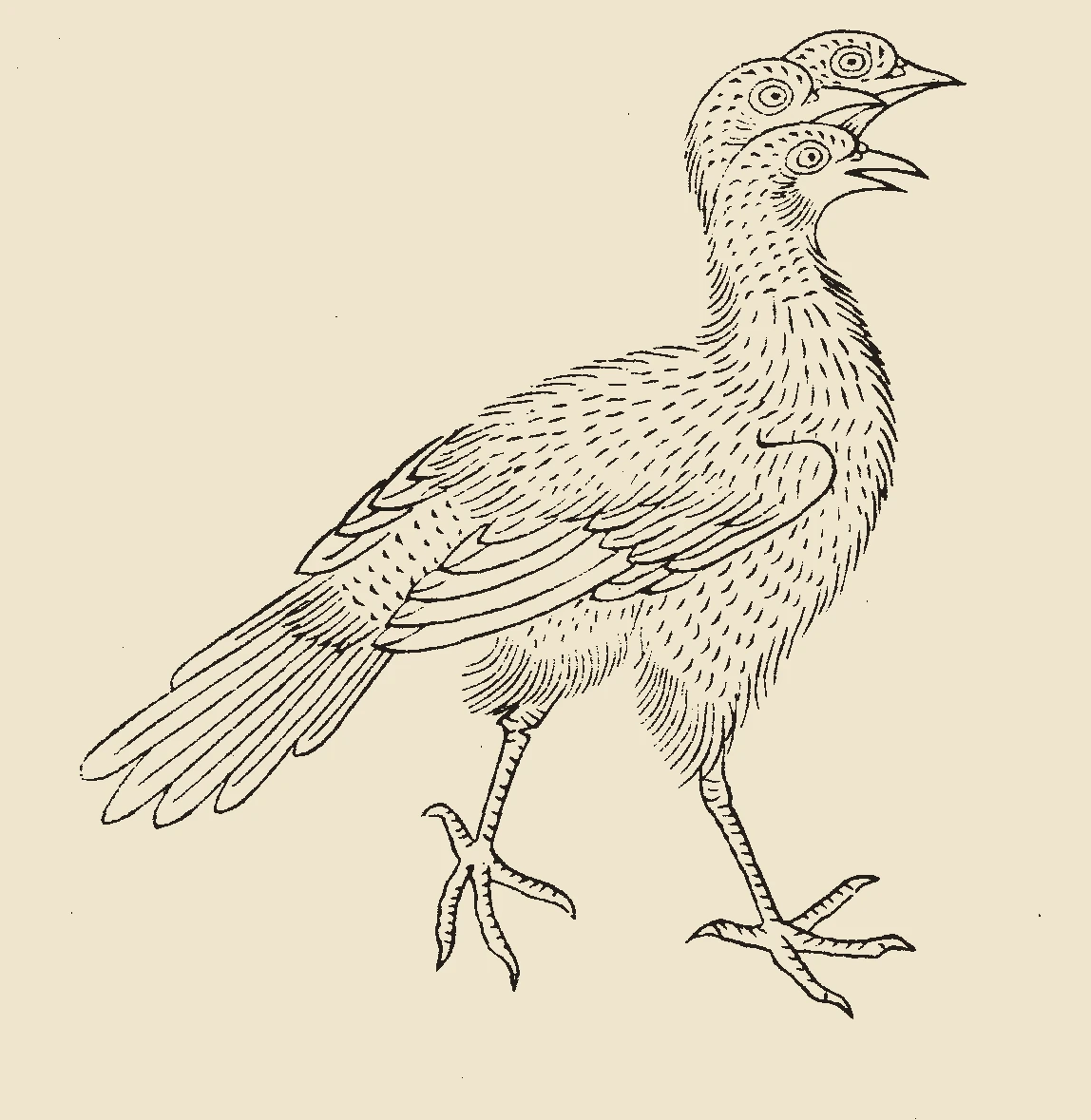
The three-headed, six-tailed laughing bird of Mount Yiwang from the Shan Hai Jing: crow-like, keeping it wards off misfortune and frees the sleeper from nightmares.《山海经》记载翼望山异禽鵸鵌:其状如乌鸦而三首六尾,善笑,服之使人不厌,又可以御凶。

Form形貌

Like a black crow形体如墨羽乌

其狀如烏

Heads首面

Three heads项上生有三首

三首

Tail尾羽

Six tails身后铺展六尾

六尾

Power效用

Dispels nightmares, wards evil食之无魇御凶

可以禦凶

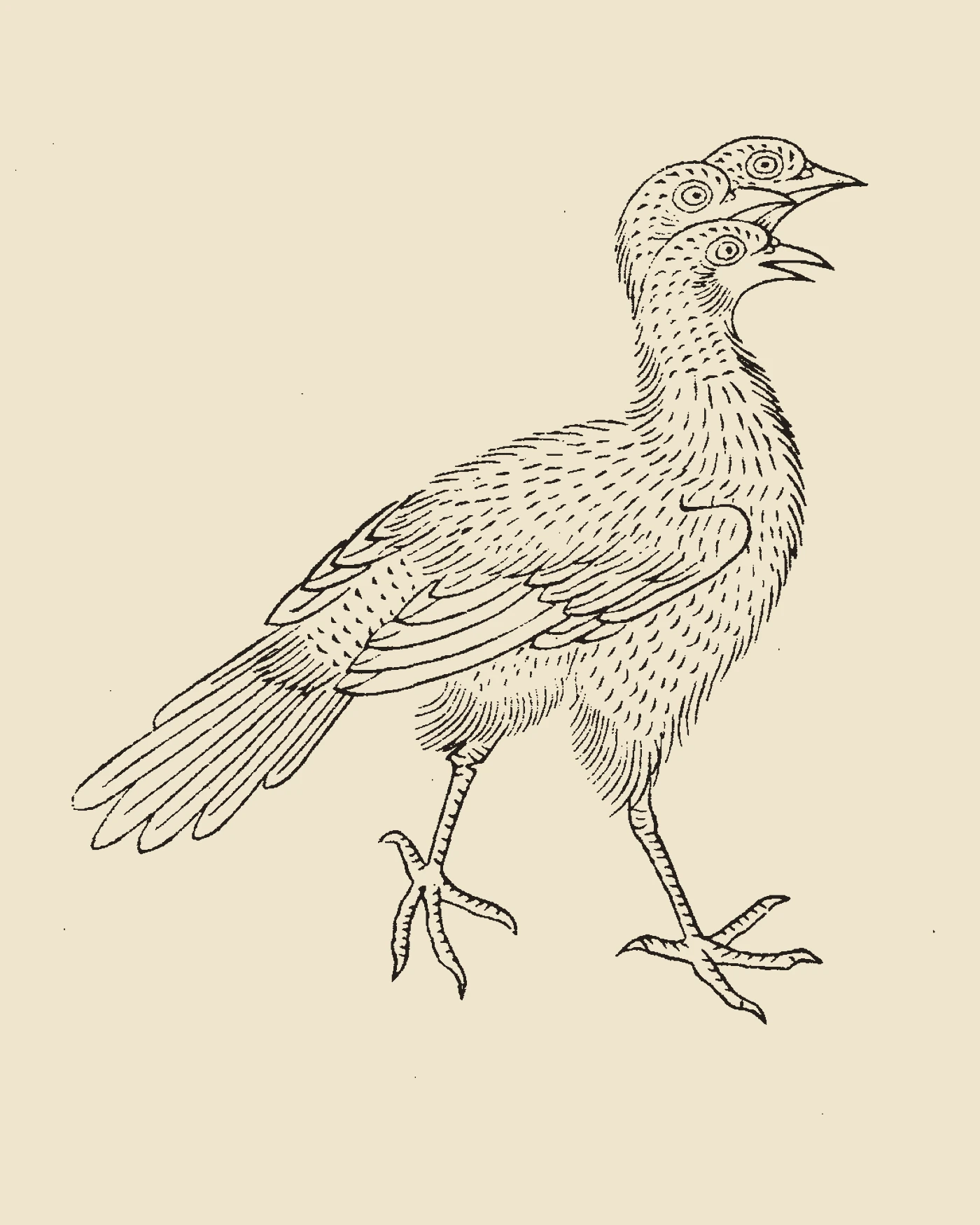
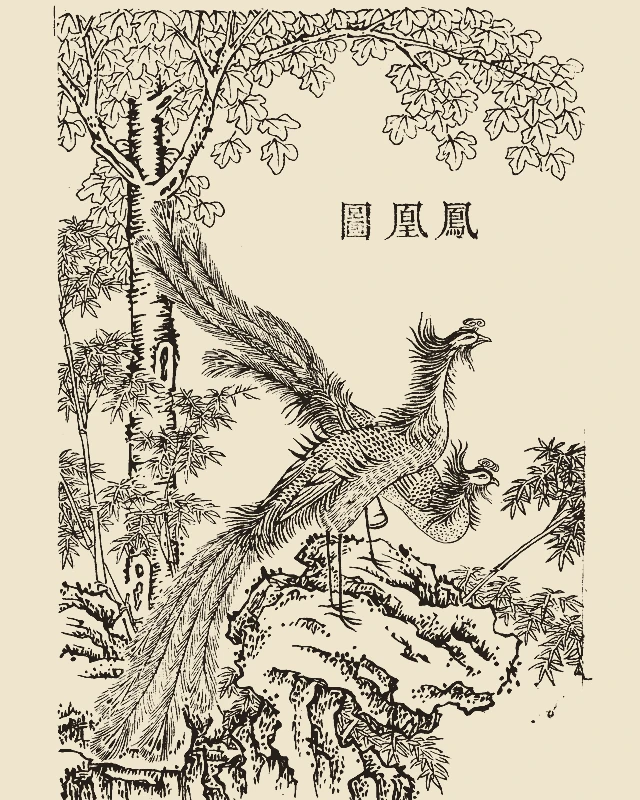
Woodblock print from Gujin Tushu Jicheng showing the three-headed raven Qiyu with multiple sweeping tails, inscribed 'Qiyu Tu'三首Three heads并立三首三首Three heads并立三首其狀如烏Crow body乌鸦身躯其狀如烏Crow body乌鸦身躯六尾Six tails六羽分张六尾Six tails六羽分张善笑Laughing beaks喜笑鸣声善笑Laughing beaks喜笑鸣声
有鳥焉,其名曰鵸鵌

There is a bird here; its name is Qiyu.

山海經·西山經
鵸鵌圖, Gujin Tushu Jicheng 古今圖書集成, Qin Chong Dian (Section on Birds and Animals), woodblock print, 1726清·陈梦雷等编《古今图书集成·禽虫典》“鵸鵌图”,雍正四年(1726)铜活字印本 · Public domain公有领域

Highlighted words: anatomy part · feature · form type — tap to jump标色词:形态部位 · 特征 · 形态类别,点击可跳转

The texts原文

Original Text & Translation原文与译文

山海經·西山經 · 山海經·西山經 · Wikisource

翼望之山,有鳥焉,其狀如烏,三首六尾而善笑,名曰鵸鵌,服之使人不厭,又可以禦凶。
There is a bird here shaped like a crow with three heads and six tails, prone to laughter, named Qiyu; consuming it prevents bad dreams, and it can also ward off misfortune.

山海經·西山經 · 山海經·西山經 · Wikisource

翼望之山,有鳥焉,其狀如烏,三首六尾而善笑,名曰鵸鵌,服之使人不厭,又可以禦凶。
There is a bird here shaped like a crow with three heads and six tails, prone to laughter, named Qiyu; consuming it prevents bad dreams, and it can also ward off misfortune.

Comparing the Books典籍对比

The Classic of the Western Mountains records the Qiyu as a benevolent three-headed corvid of Mount Yiwang whose laughter and multi-tailed form protect sleepers from malevolent nightmares.
The story来历与故事

An extraordinary multi-headed guardian of western ranges: shaped like an alert raven bearing three independent heads and six fanned tail plumes. Renowned for its merry laughter-like calls, wearing or consuming its feathers delivers humans from suffocating nightmares and wards off bad fortune.

The Mirthful Raven of Mount Yiwang翼望之山与三首六尾

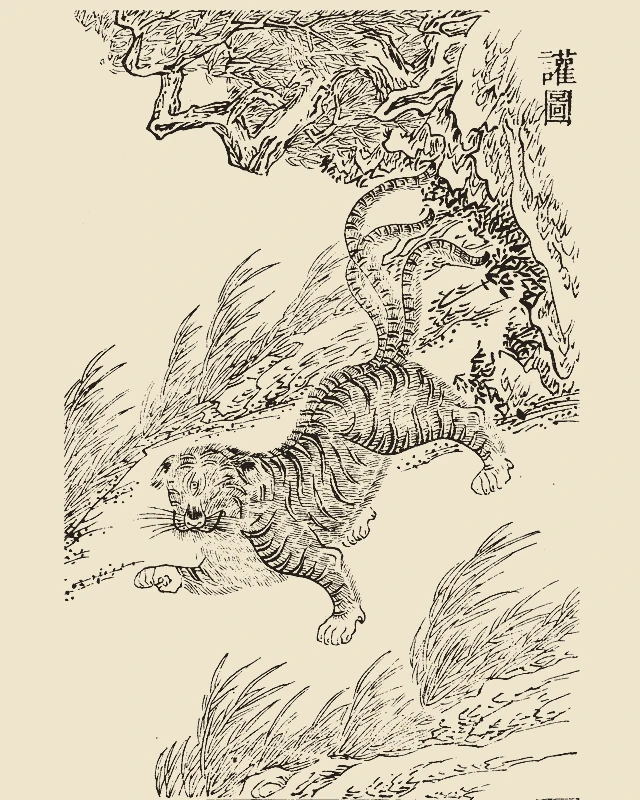
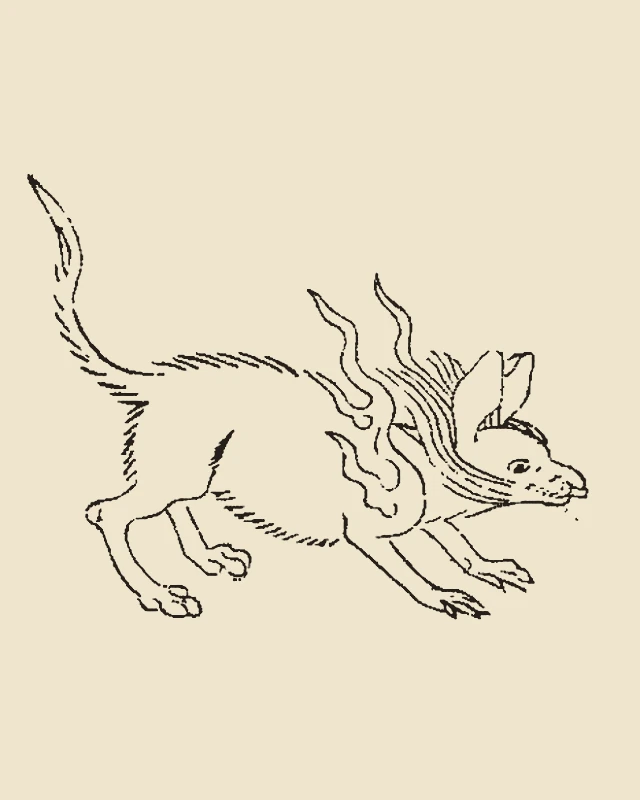
The Shan Hai Jing observes in the Classic of the Western Mountains that upon Mou《山海经·西山经》载明,在翼望之山的金石峰峦之间,不仅栖息着独目灵猫讙,更有奇禽

The Shan Hai Jing observes in the Classic of the Western Mountains that upon Mount Yiwang, alongside the three-tailed wildcat Huan, dwells the Qiyu. This remarkable corvid displays three distinct heads atop a crow-like body, counterbalanced by six spreading tail plumes.

Despite its uncanny multi-limbed anatomy, classical texts celebrate the bird for its joyous temperament ('shan xiao'): it emits chirps and trills strikingly reminiscent of human merriment. More importantly, ancient lore noted that keeping its feathers or consuming it 'keeps one from yan'—freeing the soul from nocturnal paralysis, demonic night terrors, and sudden frights.

Guardian Birds in Classical Demonology古代辟魇民俗与多首神鸟

In ancient Chinese demonology, dreams were regarded as vulnerable thresholds thr在华夏先民的宇宙观念中,梦境乃游魂与幽冥交接之秘境,极易遭逢祟客纠缠。多首并顾、

In ancient Chinese demonology, dreams were regarded as vulnerable thresholds through which wandering spirits and astral misfortunes could invade mortal minds. The Qiyu served as the classical patron animal of tranquil sleep, depicted on bedroom screens, pillows, and amulets across early dynasties.

Today, Qiyu stands as a fascinating testament to the benevolent multiplicity of Shan Hai Jing beasts, remembered alongside the Nine-Headed Bird as an emblem of heightened perception and protective vigil.

Record档案

Record Card档案卡

TypeGuardian Avian (three-headed six-tailed raven)
Also known asThree-Headed Raven; Nightmare-Dispelling Fowl
Earliest sourceShan Hai Jing 山海經 (Classic of the Western Mountains)
DispositionGentle and mirthful; frequently produces sounds resembling human laughter
PowerExorcises malevolent spirits; dispels terror and nocturnal nightmares
MedicineConsuming it prevents oppression by bad dreams (yan)
Earliest source山海經·西山經
Source books山海經·西山經
Image sourceChen Menglei 陳夢雷 (ed.) · Wikimedia Commons
LicensePublic domain

Frequently Asked Questions

What is the Qiyu in Chinese mythology?

The Qiyu is a three-headed, six-tailed bird shaped like a crow from the Shan Hai Jing. It makes laughter-like sounds and protects humans from nightmares and misfortune.

Why does the Qiyu have three heads and six tails?

In ancient mythic anatomy, multiplied heads and tails symbolized heightened vigilance and panoramic perception, ensuring that no lurking demon could approach unseen.

How did ancient people use the Qiyu for protection?

According to the Shan Hai Jing, consuming or wearing parts of the bird prevented nocturnal paralysis and nightmares ('bu yan') and warded off bad omens.