Xībiān

谿邊Xibian

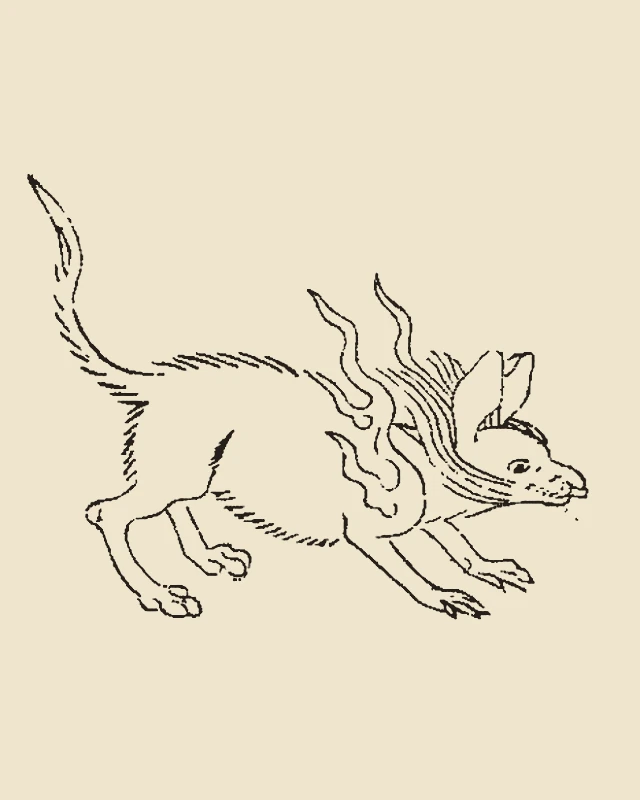
The canine guardian beast of Mount Tiandi from the Shan Hai Jing: shaped like a dog, resting upon its pelt protects one from bewitchment and poisons.《山海经》记载天帝山灵兽谿边:其状如狗,席其皮者不蛊,为辟除巫蛊邪祟之神犬。

Body身形

Like a dog形貌宛若机敏神犬

其狀如狗

Home居所

Mount Tiandi栖居高绝天帝之山

天帝之山

Coat毛皮

Sitting on pelt铺垫毛皮以为座席

席其皮者

Power效用

Free from bewitchment辟除巫蛊百毒不侵

不蠱

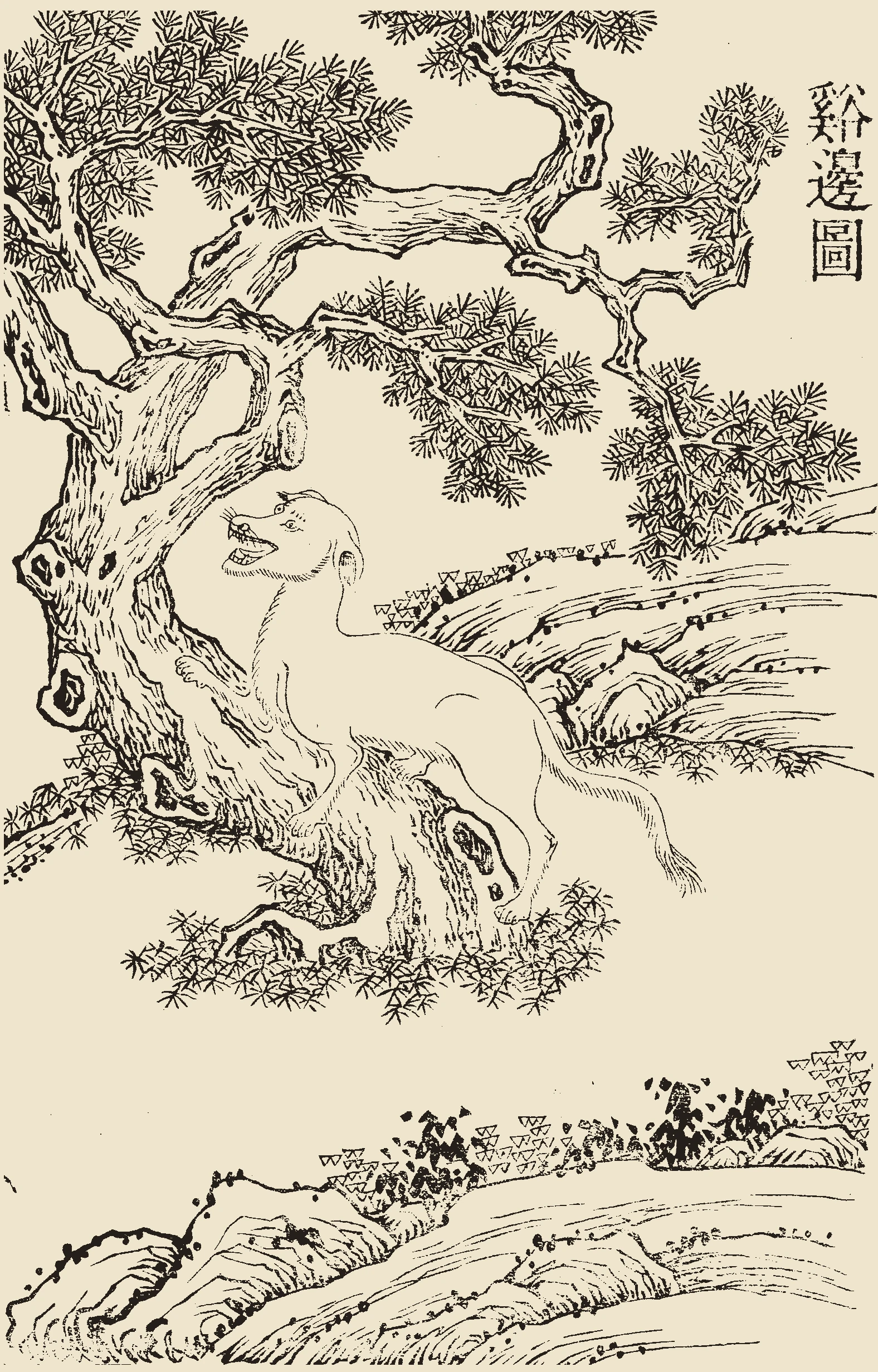
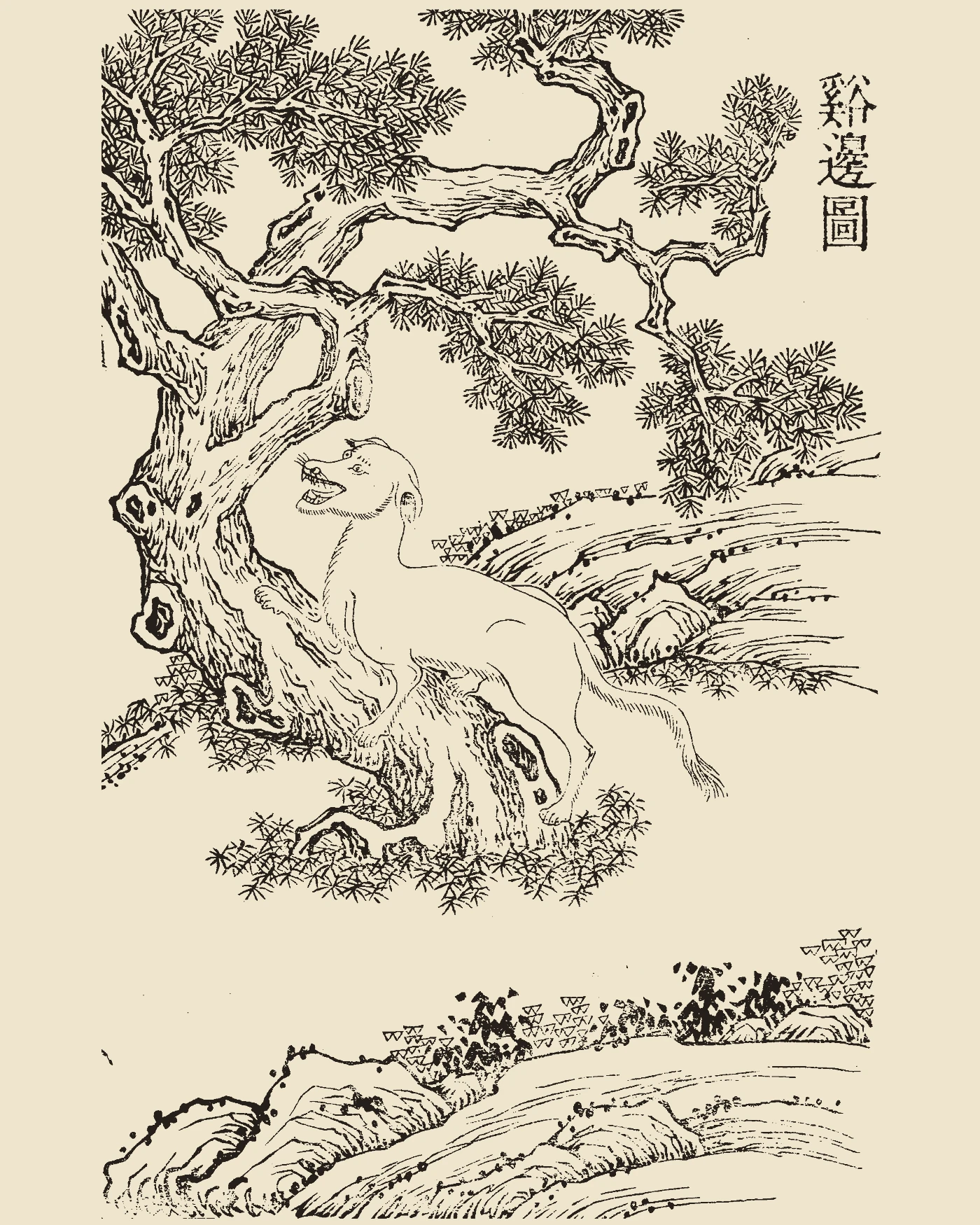
Woodblock print from Gujin Tushu Jicheng showing the alert canine beast Xibian standing poised among mountain crags, inscribed 'Xibian Tu'其狀如狗Canine head神犬头面其狀如狗Canine head神犬头面席其皮Pelt torso辟毒毛皮席其皮Pelt torso辟毒毛皮犬尾Canine tail摇曳犬尾犬尾Canine tail摇曳犬尾利足Sure-footed paws敏捷四足利足Sure-footed paws敏捷四足
有獸焉,其名曰谿邊

There is a beast here; its name is Xibian.

山海經·西山經
谿邊圖, Gujin Tushu Jicheng 古今圖書集成, Qin Chong Dian (Section on Birds and Animals), woodblock print, 1726清·陈梦雷等编《古今图书集成·禽虫典》“谿邊图”,雍正四年(1726)铜活字印本 · Public domain公有领域

Highlighted words: anatomy part · feature · form type — tap to jump标色词:形态部位 · 特征 · 形态类别,点击可跳转

The texts原文

Original Text & Translation原文与译文

山海經·西山經 · 山海經·西山經 · Wikisource

又西三百五十里,曰天帝之山,上多椶枏,下多菅蕙。有獸焉,其狀如狗,名曰谿邊,席其皮者不蠱。
There is a beast here shaped like a dog, named Xibian; resting upon its pelt prevents bewitchment and parasitic poisons.

山海經·西山經 · 山海經·西山經 · Wikisource

又西三百五十里,曰天帝之山,上多椶枏,下多菅蕙。有獸焉,其狀如狗,名曰谿邊,席其皮者不蠱。
There is a beast here shaped like a dog, named Xibian; resting upon its pelt prevents bewitchment and parasitic poisons.

Comparing the Books典籍对比

The Classic of the Western Mountains describes the Xibian as a protective canine on Mount Tiandi whose skin serves as a potent spiritual talisman against sorcerous gu poisons.
The story来历与故事

A revered protective hound of western high sanctuaries: shaped like an alert domestic dog roaming the fragrant palm slopes of Mount Tiandi. In ancient medical demonology, resting upon its pelt shields the human body from gu sorcery, insidious venom, and supernatural bewitchment.

The Guardian Hound of Mount Tiandi天帝之山与席皮不蛊

The Shan Hai Jing states in the Classic of the Western Mountains that three hund《山海经·西山经》记载,又西三百五十里曰天帝之山,上多棕楠,下多菅蕙。神兽谿边便

The Shan Hai Jing states in the Classic of the Western Mountains that three hundred and fifty li westward lies Mount Tiandi, crowned with palm and cedar above and carpeted with orchids below. Here roams the Xibian, a beast resembling an agile dog.

Despite its mundane canine appearance, the creature commands extraordinary occult immunity: 'those who sleep or sit upon its pelt are not bewitched' ('xi qi pi zhe bu gu'). In early Chinese culture, 'gu' represented the deadliest form of sorcery—venom cultivated from combative insects to bewitch minds and waste bodies. The Xibian's coat was regarded as the sovereign organic defense against all such poisons.

Canine Guardianship in Traditional Chinese Medicine神犬辟邪与中医厌胜传统

In traditional Chinese medicine and folk sorcery, dogs were long held to possess在华夏民俗与道家厌胜医术中,犬类生来通灵、目能辨鬼,历来被视为阳气至盛之守护灵兽

In traditional Chinese medicine and folk sorcery, dogs were long held to possess innate faculties for seeing spirits and repelling negative energies. The Xibian stands as the earliest documented classical prototype of the anti-demonic canine, inspiring subsequent folk customs of placing dog figurines at doorways to guard against curses.

In contemporary mythological lore, Xibian is celebrated as an exemplar of animal loyalty and healing grace, guarding spiritual pilgrims from insidious poisons on their western travels.

Record档案

Record Card档案卡

TypeGuardian Canine (magic-repelling hound)
Also known asPoison-Warding Hound; Guardian Dog of Tiandi
Earliest sourceShan Hai Jing 山海經 (Classic of the Western Mountains)
PowerExorcises gu toxins, parasitic enchantments, and sorcerous bewitchment
HabitsDwells upon Mount Tiandi amongst palm trees and fragrant orchids
SymbolismSupreme canine protector against occult poisons and domestic illness
Earliest source山海經·西山經
Source books山海經·西山經
Image sourceChen Menglei 陳夢雷 (ed.) · Wikimedia Commons
LicensePublic domain

Frequently Asked Questions

What is the Xibian in Chinese mythology?

The Xibian is a dog-like mythical beast from the Shan Hai Jing. Sleeping or sitting on its pelt protects a person from gu poisons and bewitchment.

What does 'bu gu' mean in the classic text?

'Bu gu' means immunity from gu poisons, sorcerous curses, and parasitic bewitchment.

Where does the Xibian live according to the Shan Hai Jing?

According to the Shan Hai Jing, the Xibian lives on Mount Tiandi among palm trees, cedars, and fragrant orchids.