Ěrshǔ

耳鼠Ershu

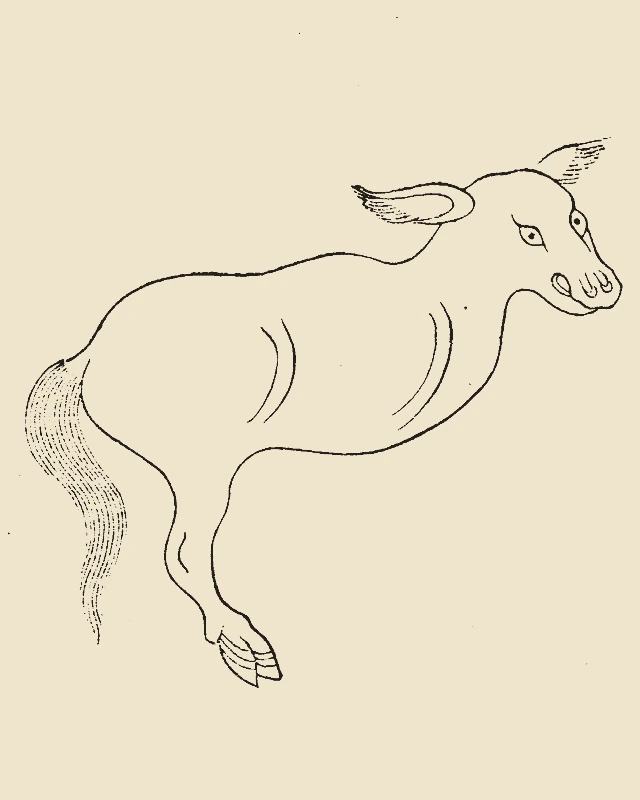
The tail-gliding rodent of Mount Danxun in the Shan Hai Jing: with a rabbit head and elk body, it flies with its tail and wards off poisons.《山海经》记载丹熏山异兽耳鼠:状如鼠而菟首麋身,以尾飞,食之不䐆,可以御百毒。

Head头首

Like a hare with ears面如野兔长耳

菟首麋身

Tail长尾

Flies using its tail长尾借风飞掠

以其尾飛

Voice鸣声

Howls like a hound发声似恶犬啼

其音如獆犬

Power效用

Wards off all poisons辟除天下剧毒

又可以禦百毒

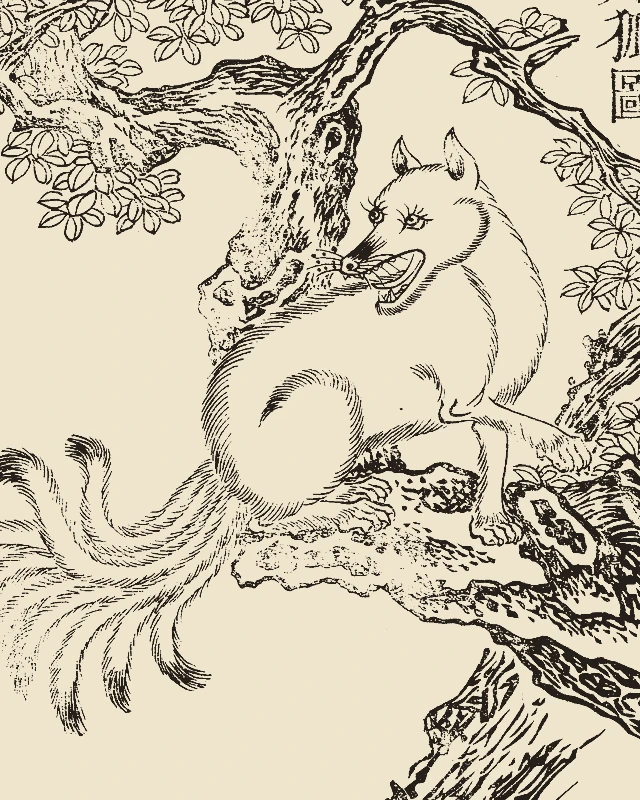
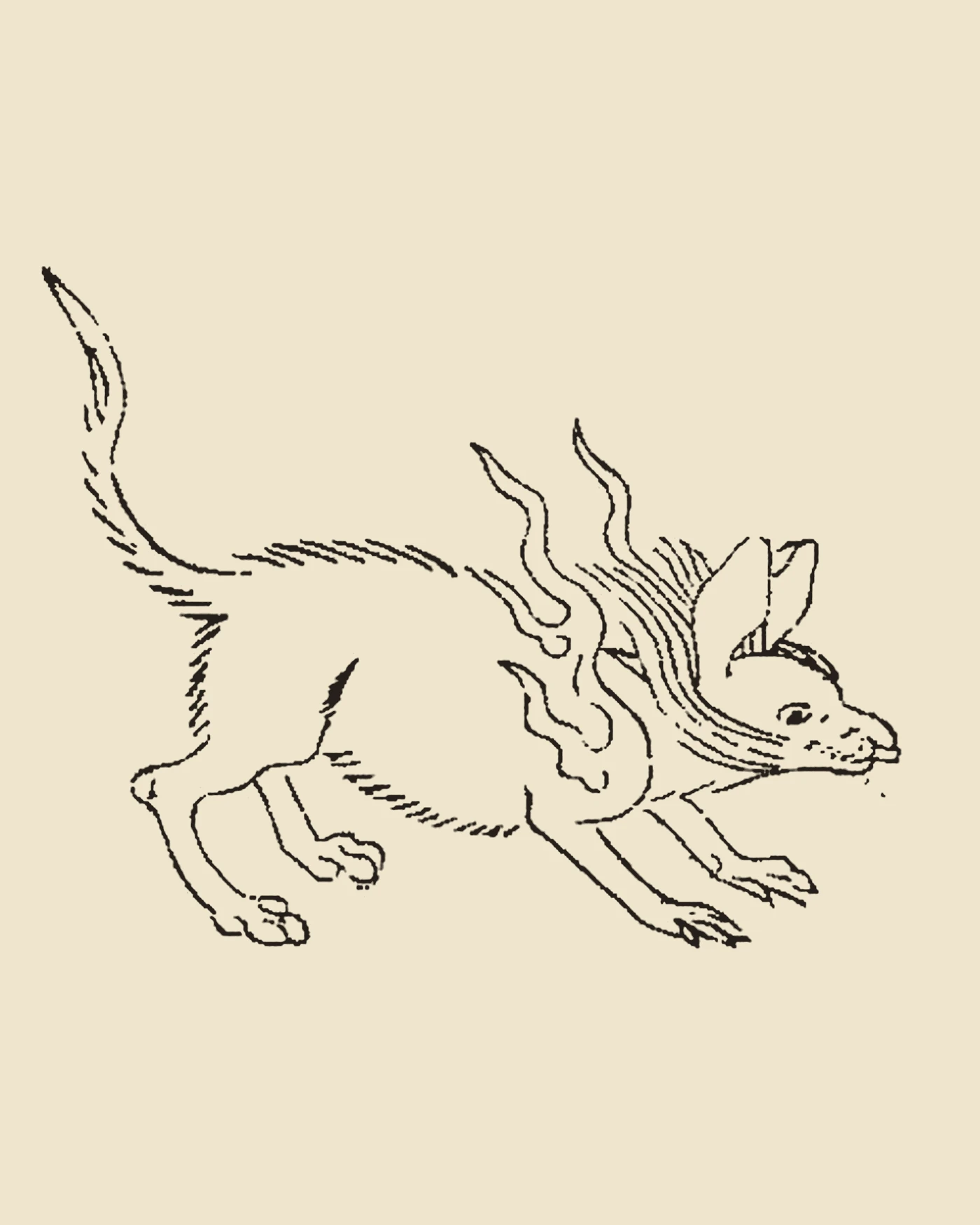
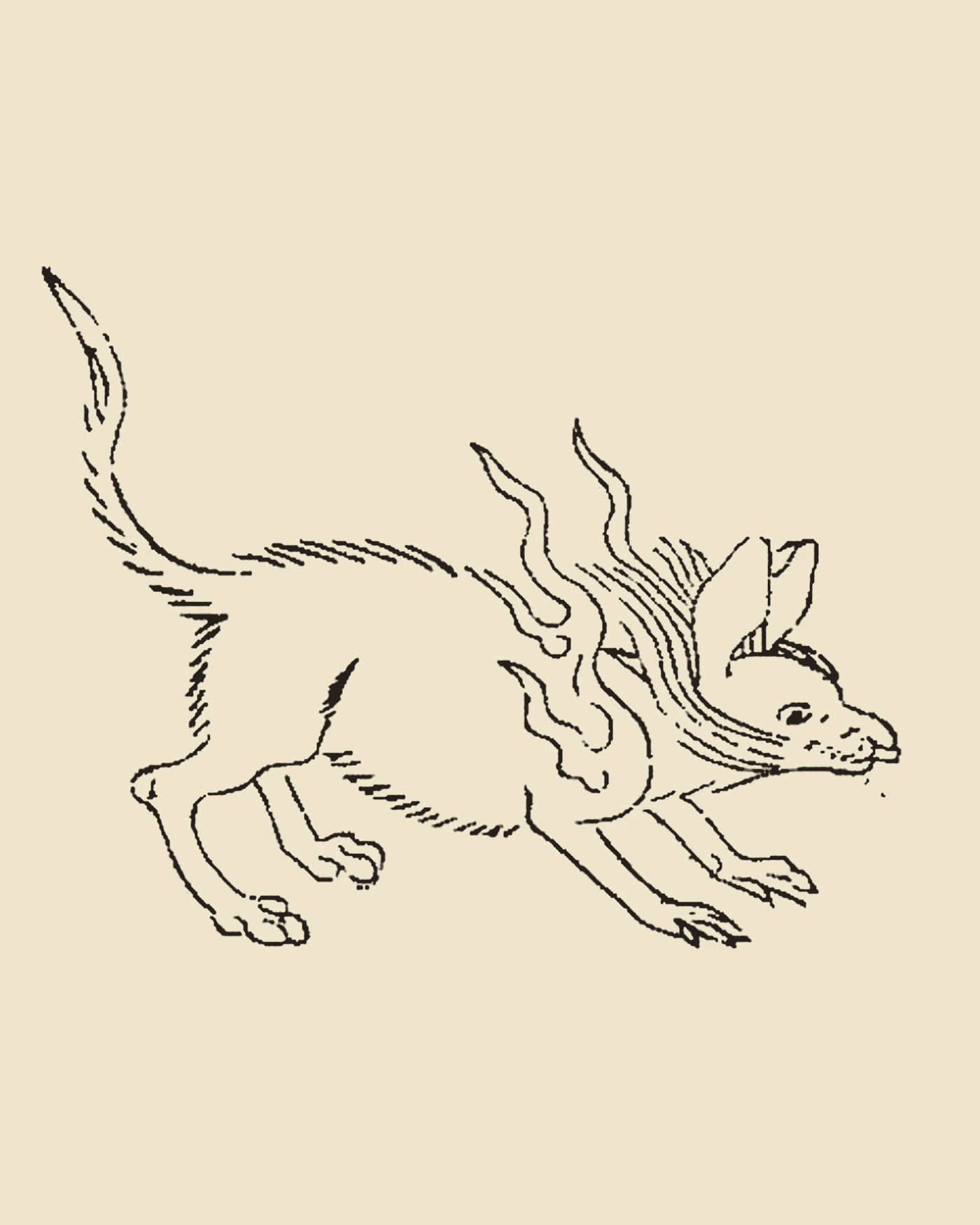
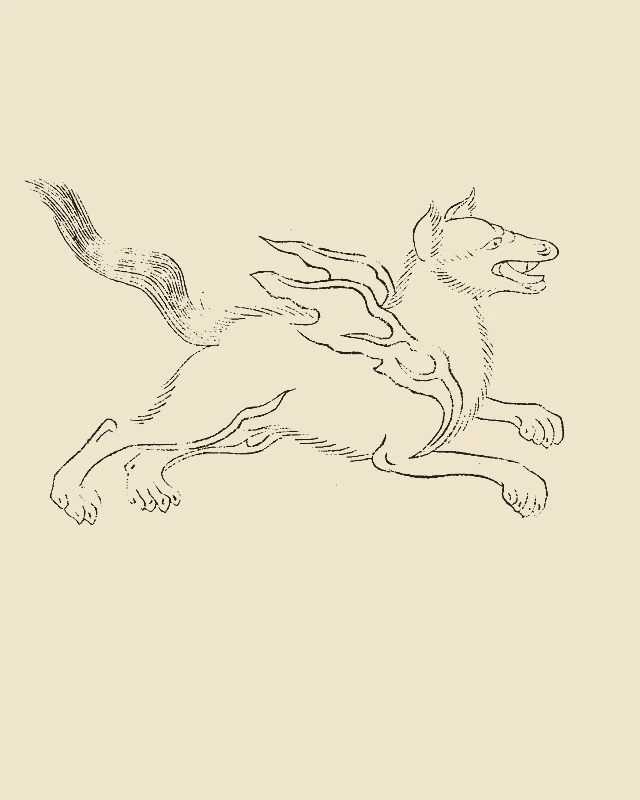
Woodblock print from Jiang Yinggao's Shan Hai Jing Tu Hui Quan Xiang showing Ershu, a rabbit-headed rodent with upright ears and tail raised to glide菟首Rabbit head and long ears兔首长耳菟首Rabbit head and long ears兔首长耳以其尾飛Upright gliding tail翘尾借风以其尾飛Upright gliding tail翘尾借风麋身Elk-like body如麋身躯麋身Elk-like body如麋身躯其音如獆犬Crouching front paws伏爪待发其音如獆犬Crouching front paws伏爪待发
有獸焉,其名曰耳鼠

There is a beast here; its name is Ershu.

山海經·北山經
Ershu Tu 耳鼠圖, the tail-gliding rodent that wards off poisons. Shan Hai Jing Tu Hui Quan Xiang 山海經圖繪全像 by Jiang Yinggao 蔣應鎬, Ming dynasty, 1597明·蒋应镐绘《山海经图绘全像》“耳鼠图”,万历二十五年(1597)金陵刻本 · Public domain公有领域

Highlighted words: anatomy part · feature · form type — tap to jump标色词:形态部位 · 特征 · 形态类别,点击可跳转

The texts原文

Original Text & Translation原文与译文

山海經·北山經 · Shan Hai Jing · Wikisource

有獸焉,其狀如鼠,而菟首麋身,其音如獆犬,以其尾飛,名曰耳鼠,食之不䐆,又可以禦百毒。
There is a beast here whose form resembles a rodent, with the head of a hare and body of an elk; its sound is like a barking hound, and it flies using its tail. Its name is Ershu; eating it prevents swelling sickness, and it can also ward off all poisons.

Comparing the Books典籍对比

The Shan Hai Jing documents Ershu as a composite rodent-hare glider of Mount Danxun whose tail-assisted flight and flesh neutralize poisons.
The story来历与故事

The tail-gliding rodent of Mount Danxun in the Shan Hai Jing: bearing a rabbit head and elk body, it flies with its tail and wards off all poisons.

The Rodent of Mount Danxun丹熏异兽:其名曰耳鼠

Ershu is a tail-gliding rodent dwelling on Mount Danxun.《北山经》记载丹熏之山多樗柏丹雘,其中有兽名曰耳鼠。

In the Classic of the Northern Mountains, Ershu dwells upon Mount Danxun, where the Xun River flows westward into the Tang River.

Amidst fragrant cedar groves and rich cinnabar deposits, this hybrid mammal glides through mountain forests.

Hare Head, Elk Body, and Poison Defense菟首麋身:以尾翱翔

It flies with its tail and neutralizes poisons.经文记其状如鼠,菟首麋身,以尾飞,食之不䐆,可以御百毒。

The Shan Hai Jing records that Ershu possesses the form of a rat, the head of a hare, and the body of an elk.

It flies through the air using its tail; consuming its flesh prevents swelling sickness, and carrying it wards off all poisons.

Ming Dynasty Woodblock Print by Jiang Yinggao万历刻本:明代耳鼠

Jiang Yinggao illustrated it with rabbit ears and dynamic line work.明万历金陵刻本《山海经图绘全像》绘其蹲伏扬尾、长耳挺立之态。

The 1597 Ming dynasty woodblock edition Shan Hai Jing Tu Hui Quan Xiang illustrated by Jiang Yinggao depicts Ershu crouched alertly with upright ears and a raised tail.

The woodblock print illustrates its delicate line carving, rabbit-like snout, and dynamic posture ready to glide.

Record档案

Record Card档案卡

TypeAuspicious Beast (tail-gliding rodent of Mount Danxun)
Also known asĚrshǔ 耳鼠; Ershu Beast (耳鼠之獸)
HabitatMount Danxun (丹熏之山) in the Northern Mountains, where Xun waters flow westward
EffectPrevents abdominal swelling, and wards off all poisons (食之不䐆,可以禦百毒)
Earliest source山海經·北山經
Source books山海經·北山經
Image sourceJiang Yinggao 蔣應鎬 · Wikimedia Commons
LicensePublic domain

Frequently Asked Questions

How does the mythical Ershu fly according to the Shan Hai Jing?

The Shan Hai Jing specifies that Ershu flies using its tail ('flies using its tail'). Ancient commentators likened this to flying squirrels that glide using flattened tails.

What medicinal and protective virtues were attributed to Ershu?

Ancient texts state that consuming Ershu prevents abdominal swelling disease ('eating it prevents swelling'), and it grants defense against hundred poisons ('can ward off hundred poisons').

Why does Ershu combine features of rats, rabbits, and elk?

The Shan Hai Jing frequently describes composite creatures to communicate novel wildlife, synthesising rabbit ears, deer-like pelt, and rodent habits.