Bóyí

猼訑Boyi

The nine-tailed sheep-like beast of Mount Ji in the Shan Hai Jing: with four ears and eyes upon its back, wearing its pelt dispels fear.《山海经》记载基山异兽猼訑:状如羊而九尾四耳,其目在背,佩之不畏。

Body身形

Like a sheep形貌宛若山羊

其狀如羊

Tail尾部

Nine tails长着九条尾巴

九尾

Eyes眼部

Eyes on its back眼睛生于脊背

其目在背

Power效用

Dispels fear佩戴令人无畏

佩之不畏

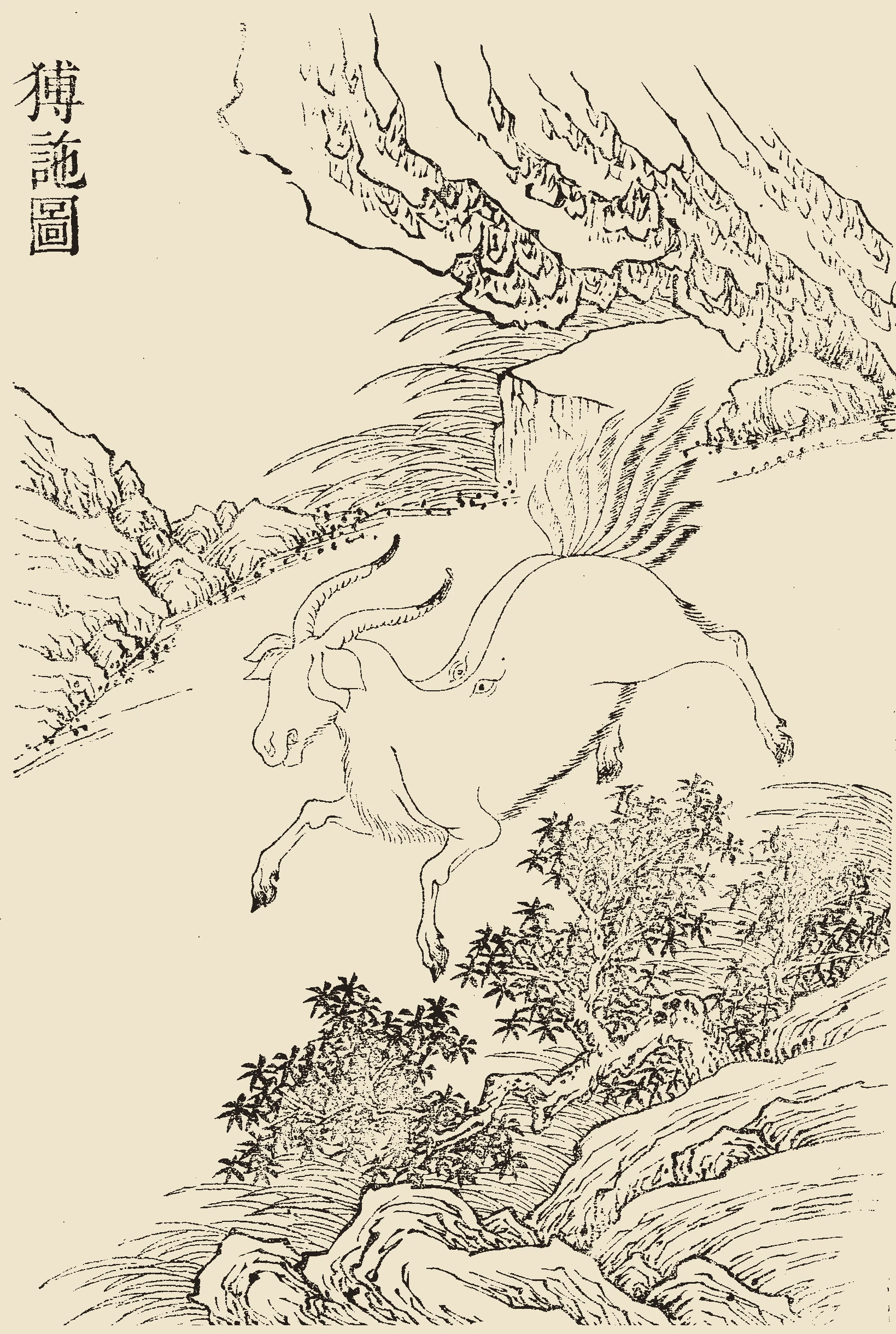
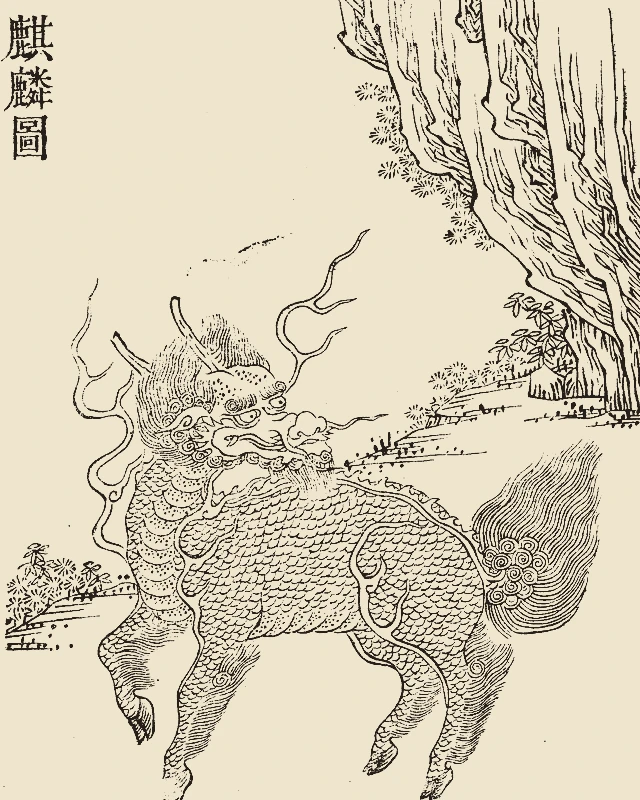
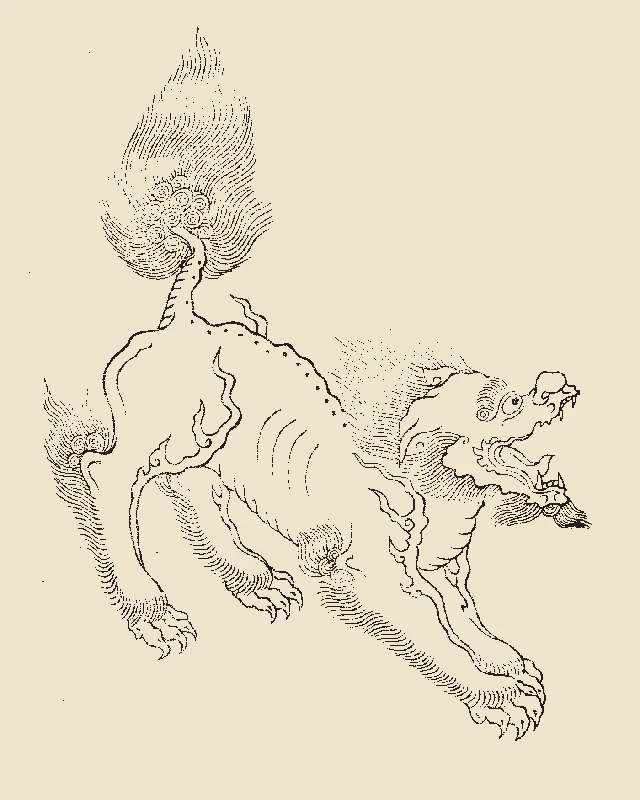
Woodblock print from Gujin Tushu Jicheng showing Boyi, a sheep-like beast with nine tails and eyes on its back其狀如羊Sheep-like head形貌如羊其狀如羊Sheep-like head形貌如羊其目在背Eyes on the back目生于背其目在背Eyes on the back目生于背九尾Nine-plumed tails繁茂九尾九尾Nine-plumed tails繁茂九尾其狀如羊Hoofed sheep body羊身羊蹄其狀如羊Hoofed sheep body羊身羊蹄
有獸焉,其名曰猼訑

There is a beast here; its name is Boyi.

山海經·南山經
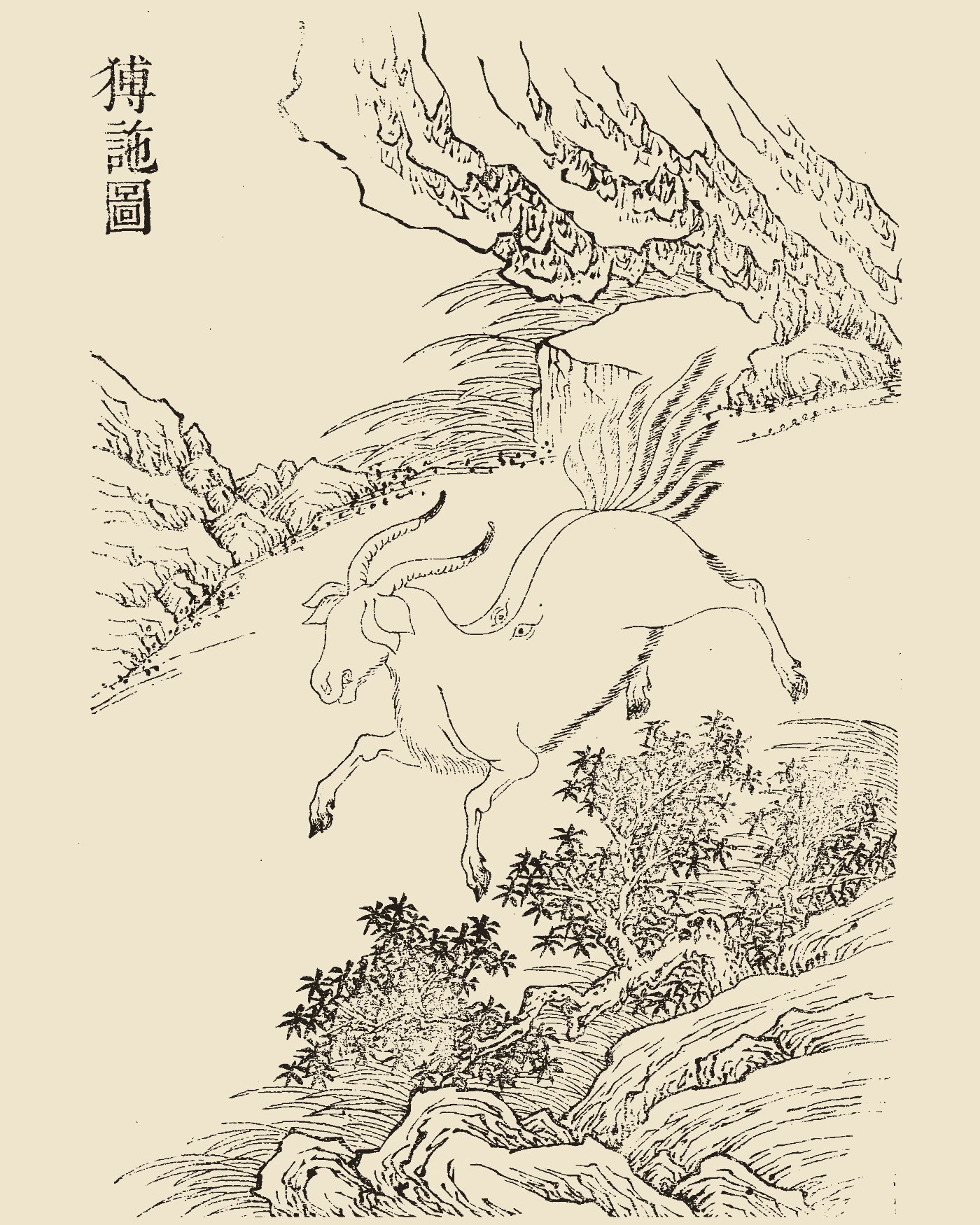
Boyi Tu 猼詑圖, the nine-tailed beast with eyes on its back. Gujin Tushu Jicheng 古今圖書集成, Animal Kingdom, juan 237, woodblock print, 1726清·陈梦雷等编《古今图书集成·禽虫典》卷二百三十七“猼詑图”,雍正四年(1726)铜活字印本 · Public domain公有领域

Highlighted words: anatomy part · feature · form type — tap to jump标色词:形态部位 · 特征 · 形态类别,点击可跳转

The texts原文

Original Text & Translation原文与译文

山海經·南山經 · Shan Hai Jing · Wikisource

有獸焉,其狀如羊,九尾四耳,其目在背,其名曰猼訑,佩之不畏。
There is a beast here whose form resembles a sheep, with nine tails and four ears, and its eyes are upon its back. Its name is Boyi; wearing it frees one from fear.

Comparing the Books典籍对比

The Shan Hai Jing portrays Boyi as an auspicious sheep-like beast whose pelt grants fearless courage to whoever wears it.
The story来历与故事

The nine-tailed sheep-like beast of Mount Ji in the Shan Hai Jing: bearing four ears and eyes upon its back, wearing its pelt dispels fear.

The Four-Eared Beast of Mount Ji基山异兽:其名曰猼訑

Boyi is a four-eared sheep-like beast dwelling upon Mount Ji.《南山经》记载基山多玉多木,其中有兽如羊,名曰猼訑。

In the Classic of the Southern Mountains, the creature Boyi dwells upon Mount Ji, whose peak rises barren of trees and grasses.

The text records that this mountain beast resembles an ordinary sheep, yet possesses four ears.

Eyes on the Back and Dispelling Dread背生双目:佩之不畏

It has nine tails and eyes upon its back; wearing it dispels terror.经文记其九尾四耳,目在背上,佩带它的毛皮可以无所畏惧。

The Shan Hai Jing specifies that Boyi carries its eyes upon its back and boasts nine trailing tails.

Ancient travelers believed that wearing its pelt or parts upon one's body freed the wearer from fear and terror.

The Gujin Tushu Jicheng Woodblock Print清代图谱:基山猼詑

Woodblock prints illustrate it as a horned ram with multiple tails.《古今图书集成》画其为一头昂首奔跃于岩壁间、背生眼目的多尾神羊。

The 1726 imperial encyclopedia Gujin Tushu Jicheng depicts Boyi as a leaping ram with multiple tails, inscribed Boyi Tu in the upper left.

The print illustrates its curved horns, distinct eyes along the spine, and fanned tail plumes amidst steep cliffs.

Record档案

Record Card档案卡

TypeAuspicious Beast (nine-tailed sheep of Mount Ji)
Also known asBóyí 猼訑; Boyi Beast (猼訑之獸)
HabitatMount Ji (基山) in the Southern Mountains, barren of vegetation on its crest
EffectWearing its pelt prevents dread and fear (佩之不畏)
Earliest source山海經·南山經
Source books山海經·南山經
Image sourceChen Menglei 陳夢雷 (ed.) · Wikimedia Commons
LicensePublic domain

Frequently Asked Questions

What does Boyi look like in the Shan Hai Jing?

The text describes it as a sheep-like beast with nine tails, four ears, and eyes upon its back.

Where does Boyi live?

It dwells upon Mount Ji in the Southern Mountains, a peak noted for having rocks and jade but no trees.

What special power is attributed to Boyi?

The classic states that wearing it prevents fear ('wearing it frees one from fear').