Huān

讙Huan

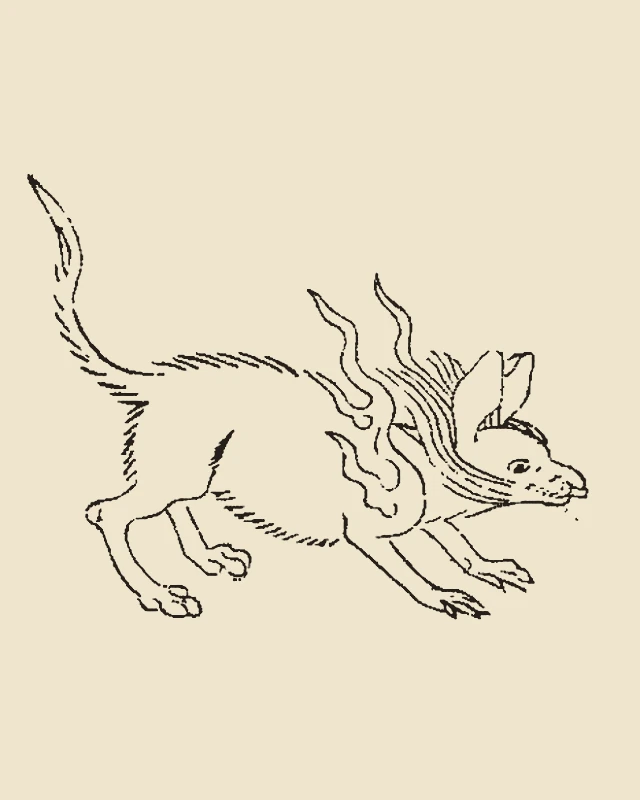
The one-eyed, three-tailed wildcat beast of Mount Yiwang from the Shan Hai Jing: with a voice like a hundred sounds, keeping it wards off evil and cures illness.《山海经》记载翼望山异兽讙:其状如狸而一目三尾,音夺百声,佩之可以御凶,食之已瘅。

Form形貌

Like a wildcat形体修美如狸

其狀如狸

Eyes眼目

Single eye额前正生独目

一目

Tail尾部

Three tails身后摇曳三尾

三尾

Power效用

Wards off misfortune佩带可御凶煞

是可以禦凶

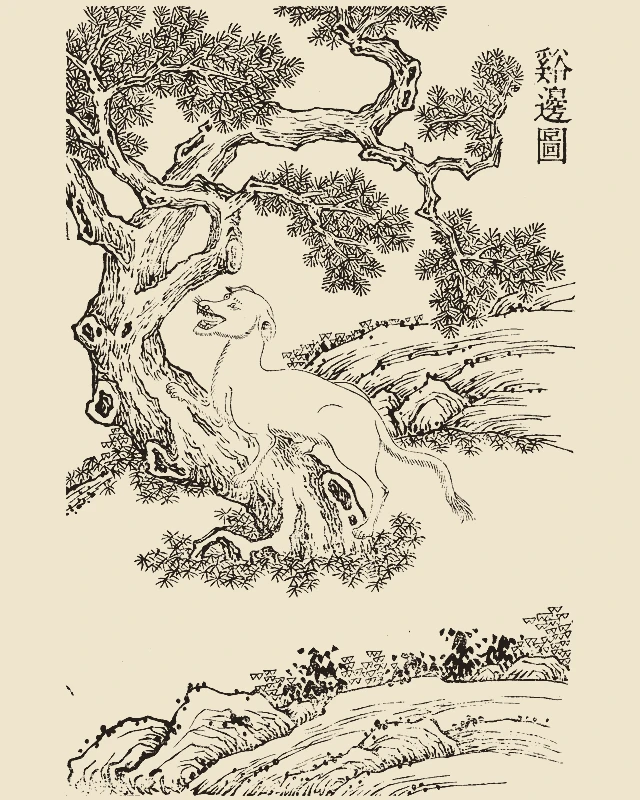
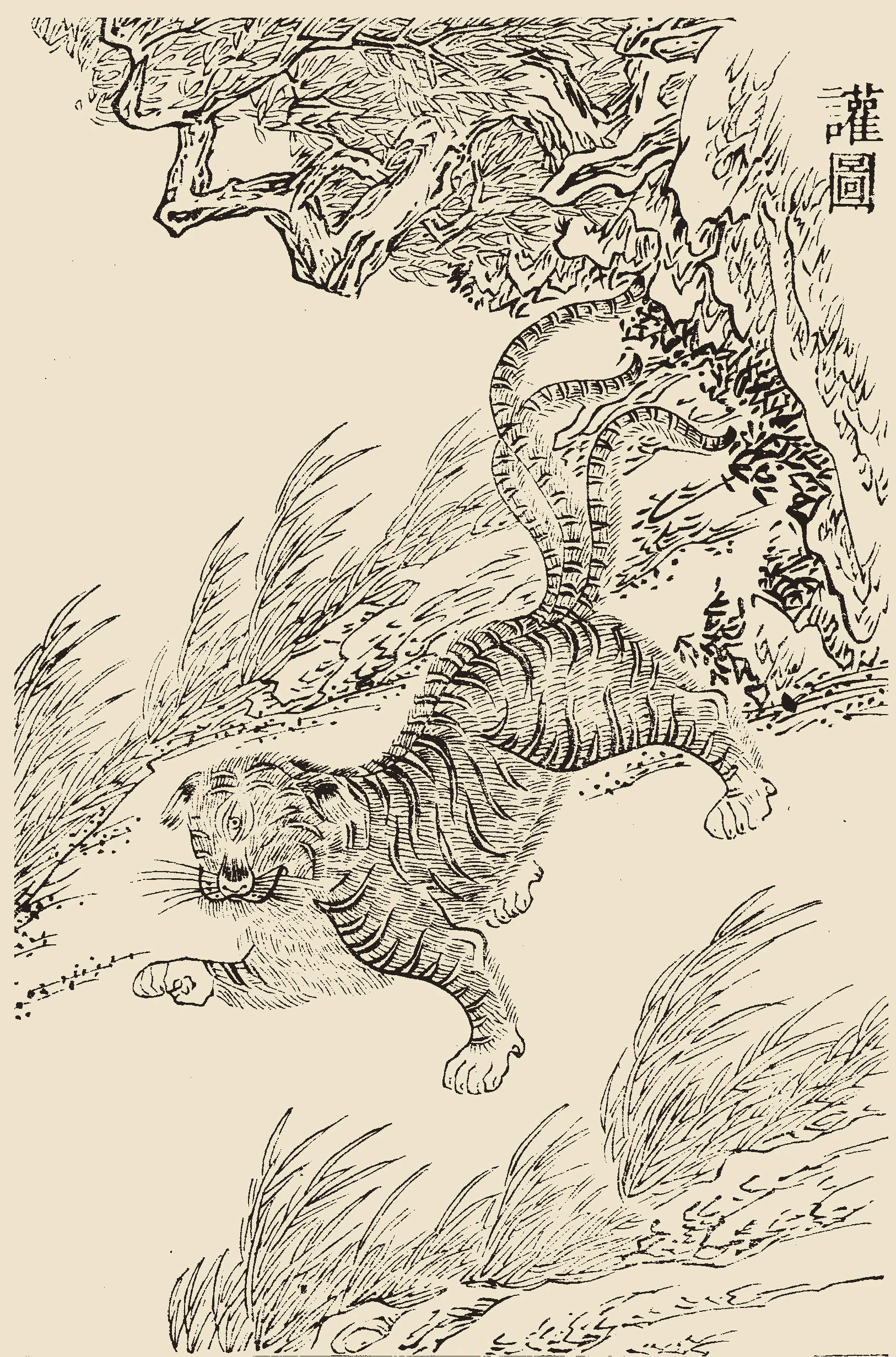
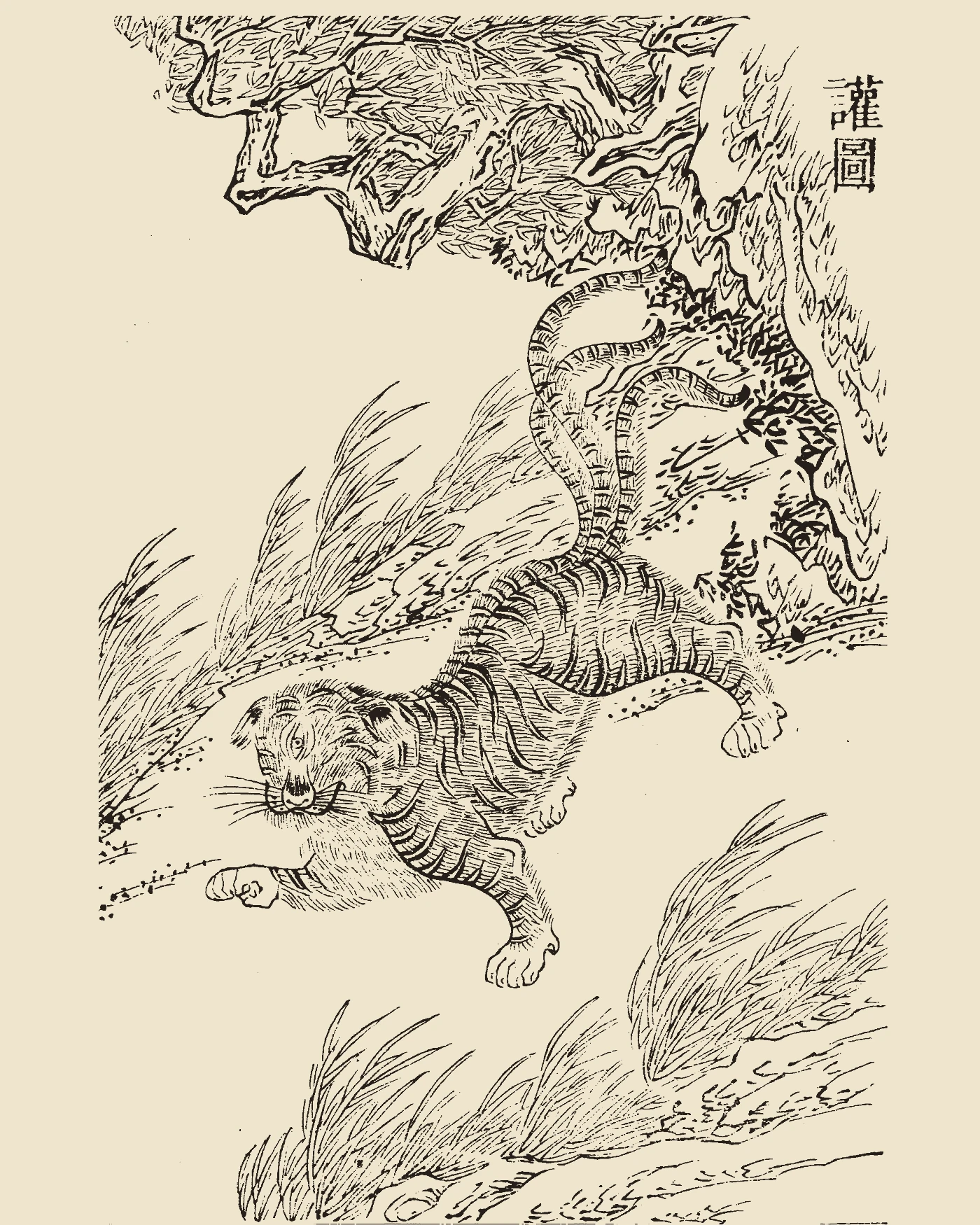
Woodblock print from Gujin Tushu Jicheng showing the feline beast Huan with three curving tails and a single central eye, inscribed 'Huan Tu'一目Single eye额间独目一目Single eye额间独目其狀如狸Wildcat body体如山狸其狀如狸Wildcat body体如山狸三尾Three tails三条长尾三尾Three tails三条长尾奪百聲Mimicry throat鸣声如百鸣奪百聲Mimicry throat鸣声如百鸣
有獸焉,其名曰讙

There is a beast here; its name is Huan.

山海經·西山經
讙圖, Gujin Tushu Jicheng 古今圖書集成, Qin Chong Dian (Section on Birds and Animals), woodblock print, 1726清·陈梦雷等编《古今图书集成·禽虫典》“讙图”,雍正四年(1726)铜活字印本 · Public domain公有领域

Highlighted words: anatomy part · feature · form type — tap to jump标色词:形态部位 · 特征 · 形态类别,点击可跳转

The texts原文

Original Text & Translation原文与译文

山海經·西山經 · 山海經·西山經 · Wikisource

翼望之山,有獸焉,其狀如狸,一目而三尾,名曰讙,其音如奪百聲,是可以禦凶,服之已癉。
There is a beast here shaped like a wildcat, with one eye and three tails, named Huan; its sound is like a chorus of a hundred voices; it can ward off misfortune, and consuming it cures jaundice.

山海經·西山經 · 山海經·西山經 · Wikisource

翼望之山,有獸焉,其狀如狸,一目而三尾,名曰讙,其音如奪百聲,是可以禦凶,服之已癉。
There is a beast here shaped like a wildcat, with one eye and three tails, named Huan; its sound is like a chorus of a hundred voices; it can ward off misfortune, and consuming it cures jaundice.

Comparing the Books典籍对比

The Classic of the Western Mountains celebrates the Huan as a beneficial feline of Mount Yiwang whose three tails and mimicry empower it to repel evil and heal illness.
The story来历与故事

A revered protective spirit of western crags: shaped like a lithe wildcat with a solitary penetrating eye and three sweeping tails. Possessing the astonishing ability to mimic a hundred diverse voices, its presence dispels baleful influences and preserves vital health.

The Guardian Feline of Mount Yiwang翼望之山与一目三尾

In the Classic of the Western Mountains, the Shan Hai Jing records that navigati《山海经·西山经》记载,西水行百里,至于翼望之山,山中无草木而多金玉。灵兽讙便生

In the Classic of the Western Mountains, the Shan Hai Jing records that navigating one hundred li westward across waters brings travelers to Mount Yiwang, a rugged crag devoid of trees but rich in gold and jade. Here roams the Huan, an extraordinary feline resembling a wildcat, equipped with a single central eye and three elegant tails.

The animal's most celebrated acoustic marvel is its voice: 'its sound is like capturing a hundred voices' ('duo bai sheng'). Early scholars understood this as extraordinary vocal mimicry, capable of reproducing bird songs, animal howls, and human cries to disorient predators and soothe restless spirits.

Feline Guardians in East Asian Lore古今典籍中的灵猫辟邪崇拜

The belief that multi-tailed or single-eyed felines hold supernatural agency exe在东亚灵猫神话中,多尾之猫常具有深厚的超自然魔力。相较于后世民间志怪故事中某些诡

The belief that multi-tailed or single-eyed felines hold supernatural agency exercised a lasting influence across East Asian folklore. While later Japanese yokai tales frequently portrayed multi-tailed cats (nekomata) as uncanny phantoms, early Chinese classical tradition consistently regarded the three-tailed Huan as an auspicious guardian beast.

In contemporary cultural media, Huan is celebrated as a beloved guardian familiar in mythological novels and digital games, revered for its keen watchfulness and uncanny three-tailed elegance.

Record档案

Record Card档案卡

TypeGuardian Beast (one-eyed wildcat warding off evil)
Also known asThree-Tailed Wildcat; Hundred-Voiced Beast
Earliest sourceShan Hai Jing 山海經 (Classic of the Western Mountains)
PowerExorcises malevolent spirits and protects households from calamity
CureTraditional medicine records its flesh dispels jaundice (dan)
Earliest source山海經·西山經
Source books山海經·西山經
Image sourceChen Menglei 陳夢雷 (ed.) · Wikimedia Commons
LicensePublic domain

Frequently Asked Questions

What is the Huan in Chinese mythology?

The Huan is a wildcat-like mythical beast from the Shan Hai Jing with one eye and three tails. It can mimic a hundred voices and is kept to ward off evil spirits.

What medicinal benefit did the ancients attribute to Huan?

The Shan Hai Jing records that consuming the flesh of the Huan cures jaundice ('yi dan').

Where does the Huan live?

According to the Shan Hai Jing, the Huan lives on Mount Yiwang, a mountain devoid of vegetation but rich in gold and jade.