fú yì

伏翼Fuyi

An ancient immortal bat of deep caverns that turns snow-white at five hundred years; hanging upside down, its consumption confers celestial immortality.终南与罗浮深邃之岩穴绝壑中,钟乳倒悬,幽暗无光。

Longevity仙壽

Turns snow-white at 500 years历经数百年体变皓白

五百嵗則色白

Head重腦

Heavy brain, head hanging双脑沉重倒悬栖息

腦重

Gait倒折

Hangs upside down from eaves常以足爪倒挂石岩

故謂之倒折

Cure登仙

Flesh confers immortality古人视其为羽化灵物

食之神仙

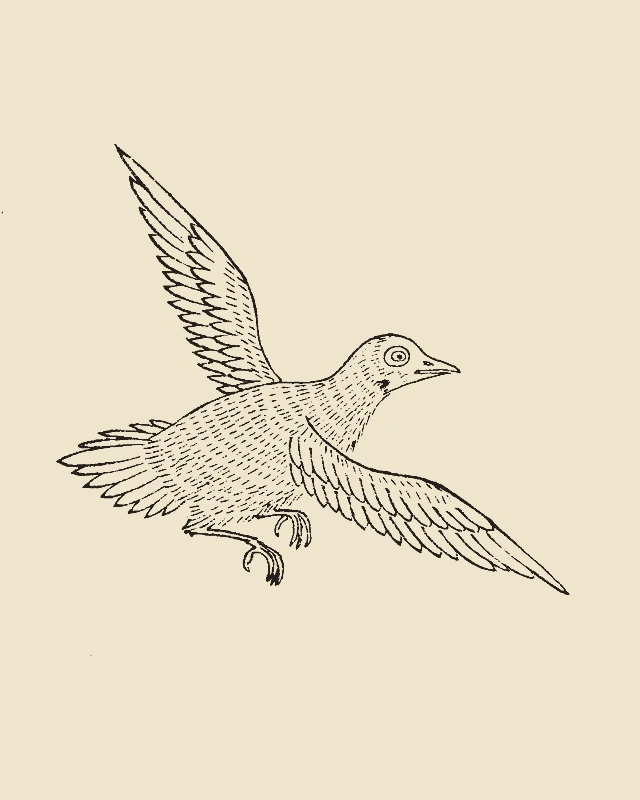
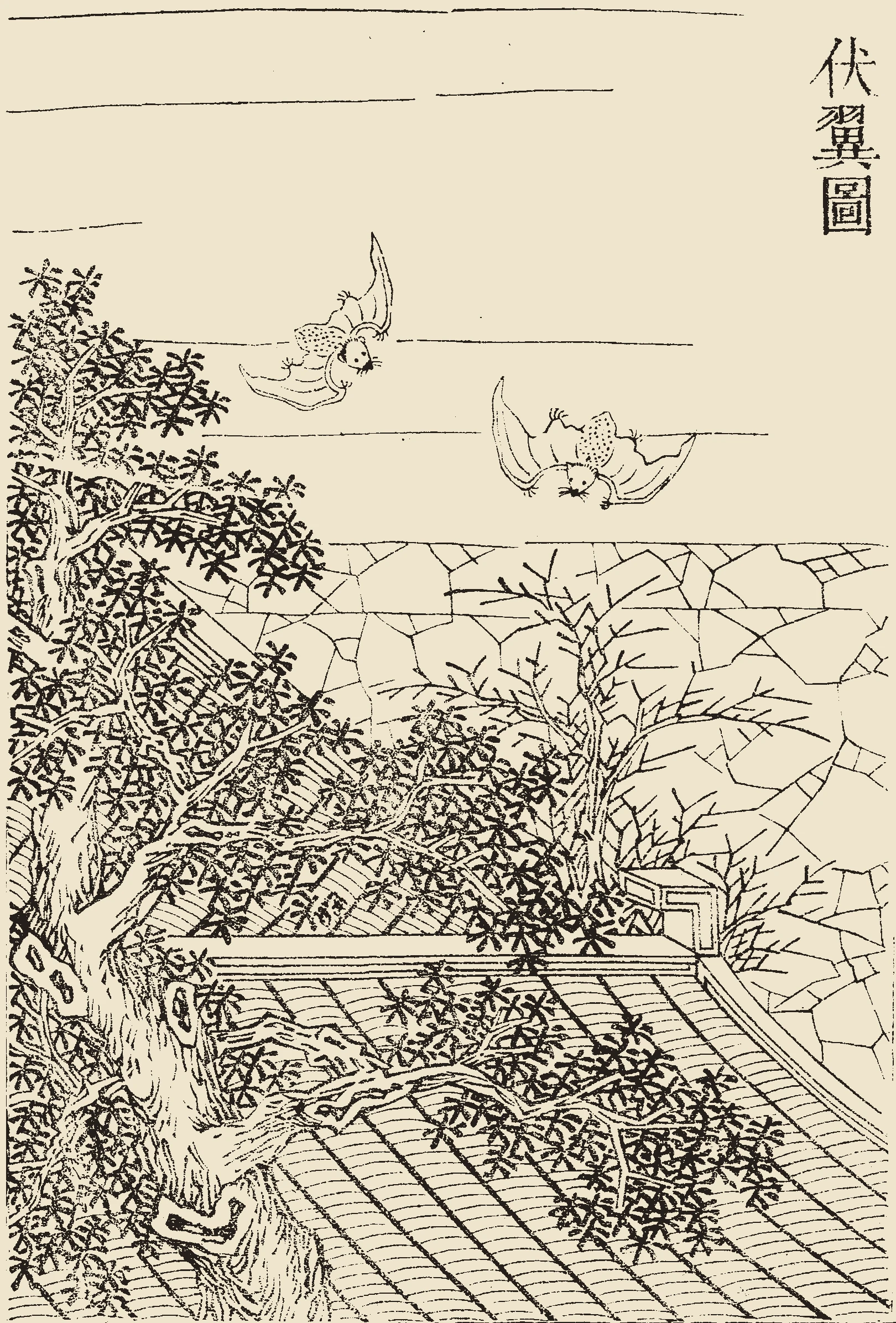
《清内府铜活字印本《古今图书集成·禽虫典》》版画:伏翼肉翼leathery wings一名飛鼠有翼肉翼leathery wings一名飛鼠有翼仙鼠fairy mouse一名仙鼠仙鼠fairy mouse一名仙鼠倒折hanging claws集則頭垂倒折倒折hanging claws集則頭垂倒折白毛white fur五百嵗色白白毛white fur五百嵗色白
蝙蝠一名仙鼠,一名飛鼠

The bat is named also the Immortal Mouse, and the Flying Mouse.

古今注·卷中
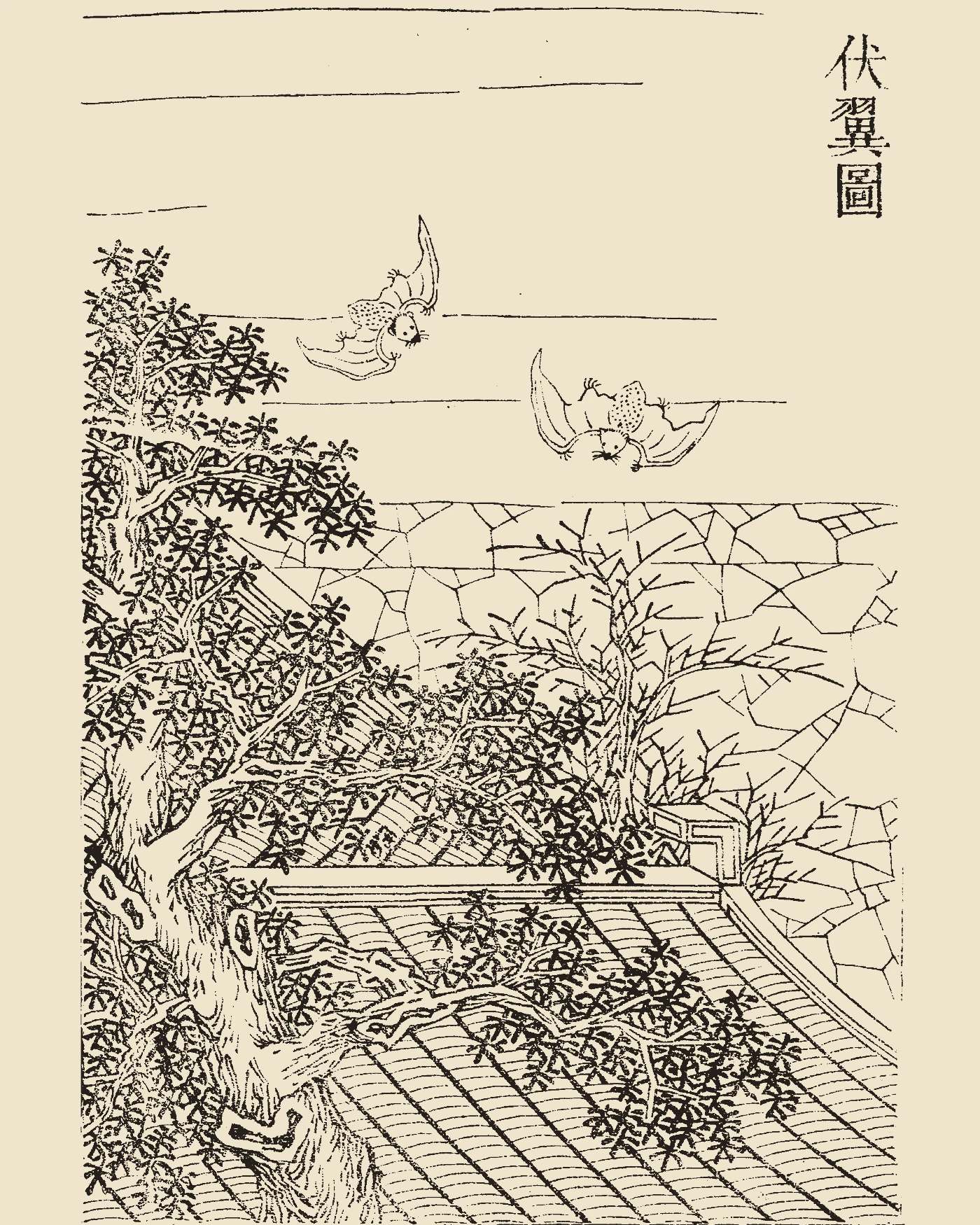
伏翼圖, 清内府铜活字印本《古今图书集成·禽虫典》, woodblock print, 1726古籍刻本《清内府铜活字印本《古今图书集成·禽虫典》》“伏翼图”,公有领域版画 · Public domain公有领域

Highlighted words: anatomy part · feature · form type — tap to jump标色词:形态部位 · 特征 · 形态类别,点击可跳转

The texts原文

Original Text & Translation原文与译文

古今注·卷中 · Gu Jin Zhu (Siku Quanshu) · Chapter 2 · Wikisource

蝙蝠一名仙鼠,一名飛鼠,五百嵗則色白腦重,集則頭垂,故謂之倒折,食之神仙。
The bat is named also the Immortal Mouse, and named also the Flying Mouse; at five hundred years of age its color turns white and its brain grows heavy; when perching its head hangs down, hence it is called 'Daozhe' (Upside-Down Fold); eating it makes one a divine immortal.

Comparing the Books典籍对比

In Cui Bao's Gu Jin Zhu, the common bat is transfigured into the sacred 'Xianshu' (Immortal Mouse), embodying the Daoist ideal of subterranean longevity.
The story来历与故事

An ancient immortal bat of deep caverns that turns snow-white at five hundred years; hanging upside down, its consumption confers celestial immortality.

The Lore of Fuyi伏翼之古籍神异记述

High in the stalactite grottoes of sacred peaks, where milky stone pillars dripp终南与罗浮深邃之岩穴绝壑中,钟乳倒悬,幽暗无光。在这百代无人踏足之幽境,有皓白如

High in the stalactite grottoes of sacred peaks, where milky stone pillars dripped ancient water into silent pools, a pale flutter rustled through the dark. Clinging to the cavern ceiling hung the snowy Fuyi, its silken fur radiant as frost. Having roosted through centuries of human dynasties, its gaze held the wisdom of silent stone.

Mythological Legacy of Fuyi《古今注·卷中》典籍与文化传承

Blending medical, Daoist, and folkloric reverence, the Fuyi evolved from a nocturnal flier into a supreme symbol of blessings, happiness, and immortal life.

Record档案

Record Card档案卡

Typebird
Also known asFuyi 伏翼; Immortal Bat 仙鼠; Flying Rodent 飛鼠
LongevityTurns pure white after five hundred years (五百嵗則色白)
Immortal CraftEating its flesh confers Daoist divine longevity (食之神仙)
GaitPerches with folded wings and drooping head (集則頭垂,倒折)
Earliest source古今注·卷中
Source books古今注·卷中
Image sourceChen Menglei 陳夢雷 (ed.) · Wikimedia Commons
LicensePublic domain

Frequently Asked Questions

What is the Fuyi in traditional Chinese folklore?

The Fuyi is the classical immortal bat (also called Xianshu), which turns pure snow-white after living five hundred years in deep caves.

What does 'daozhe' mean regarding bats?

Ancient texts called bats 'daozhe' (upside-down fold) because their heavy brains caused them to roost inverted with claws hooked on stalactites.

What was the connection between white bats and immortality?

Daoist alchemical treatises claimed that consuming ancient white bats found in stalactite grottos granted ageless longevity and vision in darkness.