Zhūbìyú

珠蟞魚Zhubi Fish

A six-footed, pearl-bearing lung-shaped fish of the Li River that prevents virulent pestilence.葛山澧水中的六足含珠肺形奇鱼,味兼酸甘,食之可免受瘟疫恶疾。

Body肺形

Lung-shaped organism形如牛羊之肉肺

其狀如胏

Eyes有目

Distinct eyes肉身表面生有眼睛

有目

Legs六足

Six legs下腹伸出六只短脚

六足

Power避疠

Free of pestilence食之可免恶疾疫疠

食之無癘

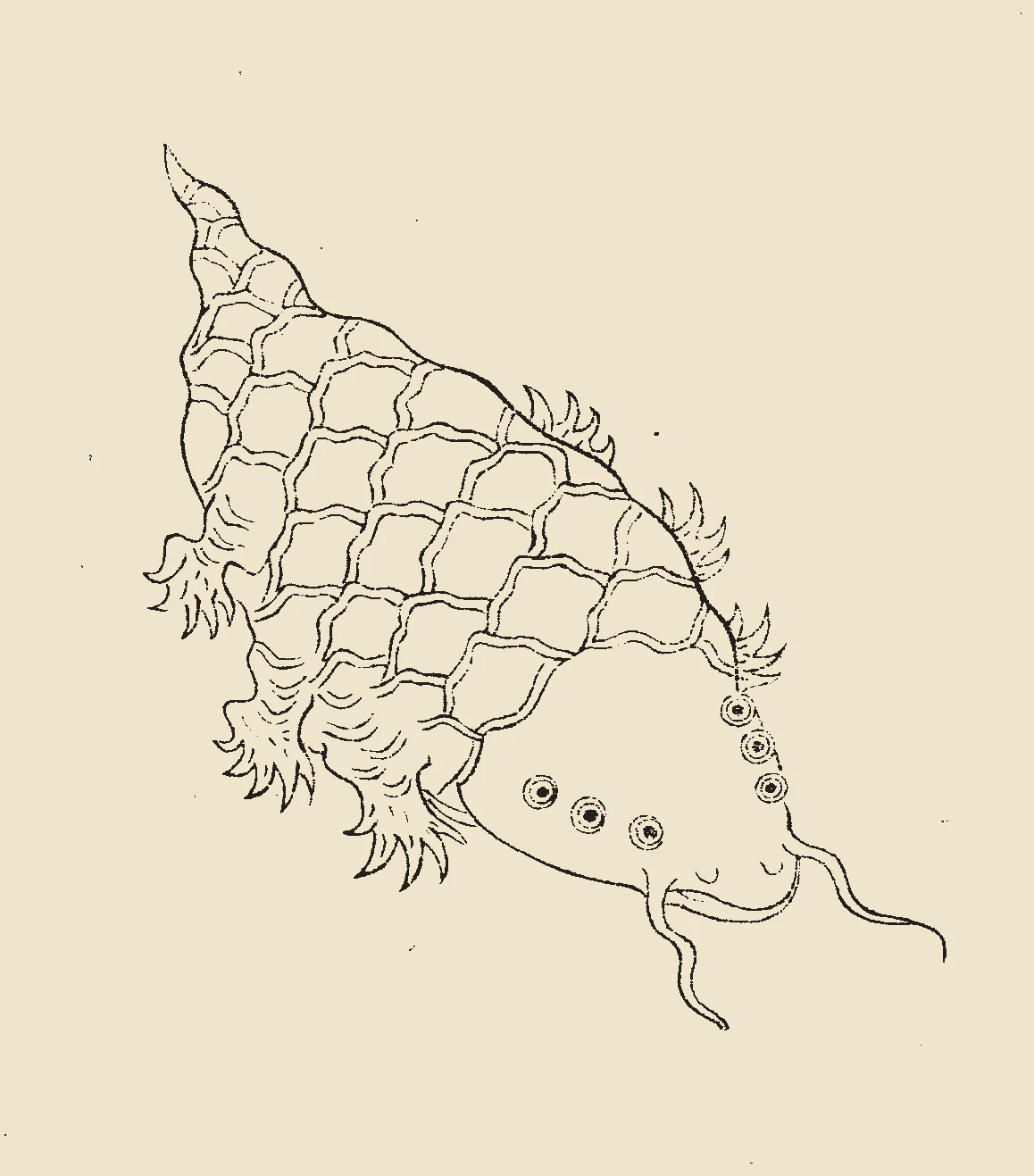
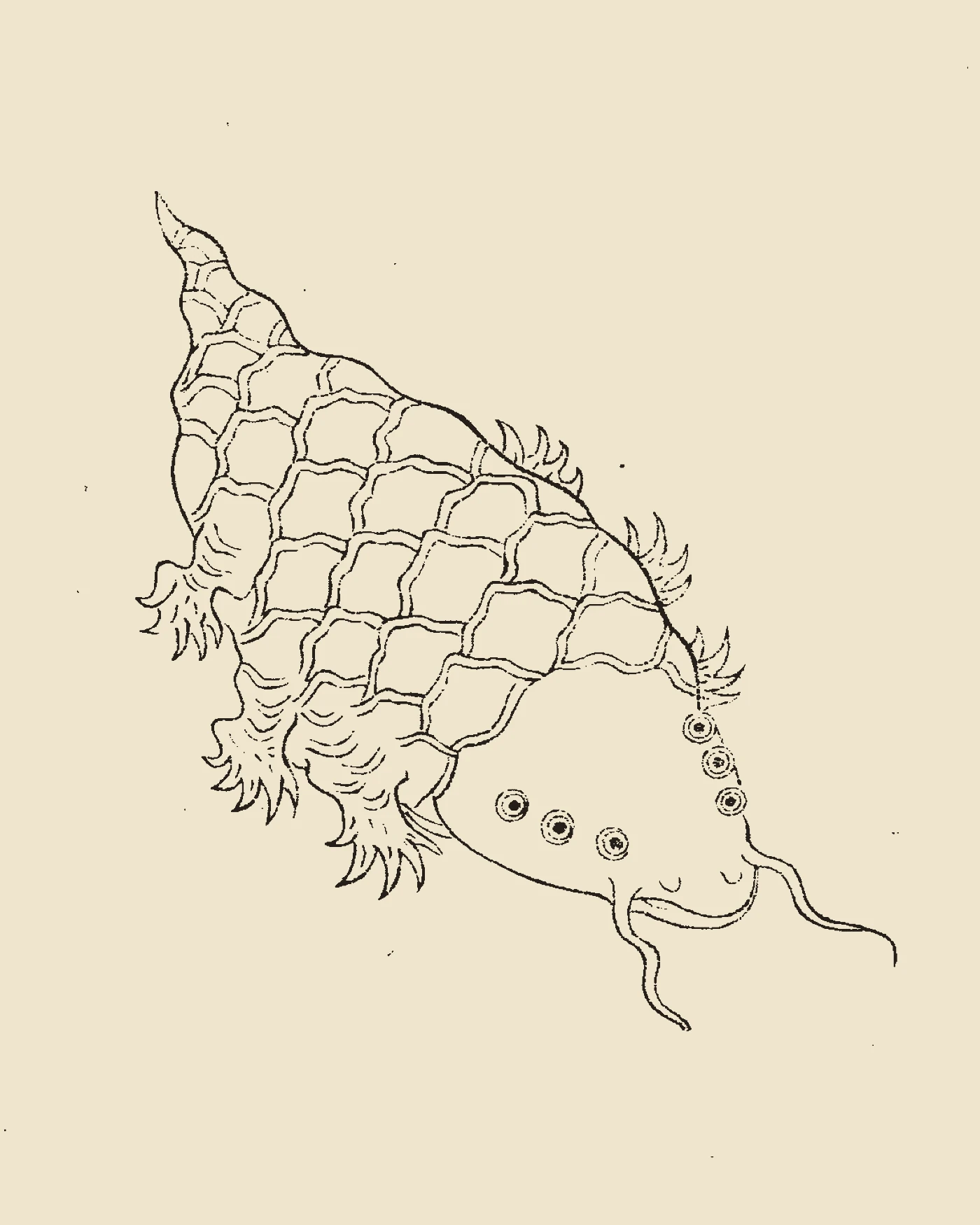
Woodblock print from the Gujin Tushu Jicheng: a round, disk-like aquatic creature with distinct eyes and radiating jointed limbs swims in river currents, titled 'Zhubiyu Tu'其狀如胏Lung-like form圆融饱满的肺状肉躯其狀如胏Lung-like form圆融饱满的肺状肉躯有目Eyes体表生就的明亮双眼有目Eyes体表生就的明亮双眼有珠Pearls inside体内蕴藏的奇异珍珠有珠Pearls inside体内蕴藏的奇异珍珠六足Six feet腹缘伸出的六只小足六足Six feet腹缘伸出的六只小足
又南三百八十里曰葛山之首無草木

Three hundred eighty li south is Head of Mount Ge, devoid of plants.

山海經·東山經
珠蟞魚圖, Gujin Tushu Jicheng 古今圖書集成, Qin Chong Dian (Section on Birds and Animals), woodblock print, 1726清·陈梦雷等编《古今图书集成·禽虫典》“珠蟞魚图”,雍正四年(1726)铜活字印本 · Public domain公有领域

Highlighted words: anatomy part · feature · form type — tap to jump标色词:形态部位 · 特征 · 形态类别,点击可跳转

The texts原文

Original Text & Translation原文与译文

山海經·東山經 · 山海經·東山經 · Wikisource

又南三百八十里,曰葛山之首,無草木。澧水出焉,東流注于余澤,其中多珠蟞魚,其狀如胏而有目,六足有珠,其味酸甘,食之無癘。
Three hundred eighty li further south is the head of Mount Ge, devoid of plants. The Li River rises here and flows eastward into the Yu Marsh, in which are many zhubi-fish; they are shaped like lungs with eyes, have six feet and contain pearls. Their taste is sweet and sour; eating them protects against pestilence.

Comparing the Books典籍对比

The Eastern Mountains text describes it as a lung-shaped, six-legged, pearl-bearing cure for plague; the 1726 plate accurately draws its rounded disc-like body and limbs.
The story来历与故事

The Zhubi fish (珠蟞魚) is an astonishing invertebrate-like aquatic creature dwelling in the Li River of the Ge Mountains. Resembling a soft, breathing lung endowed with observant eyes and six articulated legs, its body bears precious pearls within, and its sweet-and-sour flesh provides absolute immunity against virulent pestilence.

The Pearl-Bearing Lung-Fish of the Li River葛山之首与含珠奇水族

At the head of the barren Ge Mountains, where no vegetation can take root, the c葛山首峰寸草不生,发源于此的澧水向东汇入余泽。在清澈无垢的浅滩泥沙间,珠蟞鱼凭借

At the head of the barren Ge Mountains, where no vegetation can take root, the crystal currents of the Li River flow eastward into Lake Yu. Along these sandy shallows crawls the Zhubi fish, shimmering with inner pearl-light.

Early medical accounts celebrated its unique flavor and anti-epidemic virtues: tasting naturally sweet and tart ('its flavor is sour and sweet', 其味酸甘), it conferred complete protection against pestilential miasmas ('eating it leaves one free of plague', 食之無癘).

The Woodblock Depiction清代版画图说

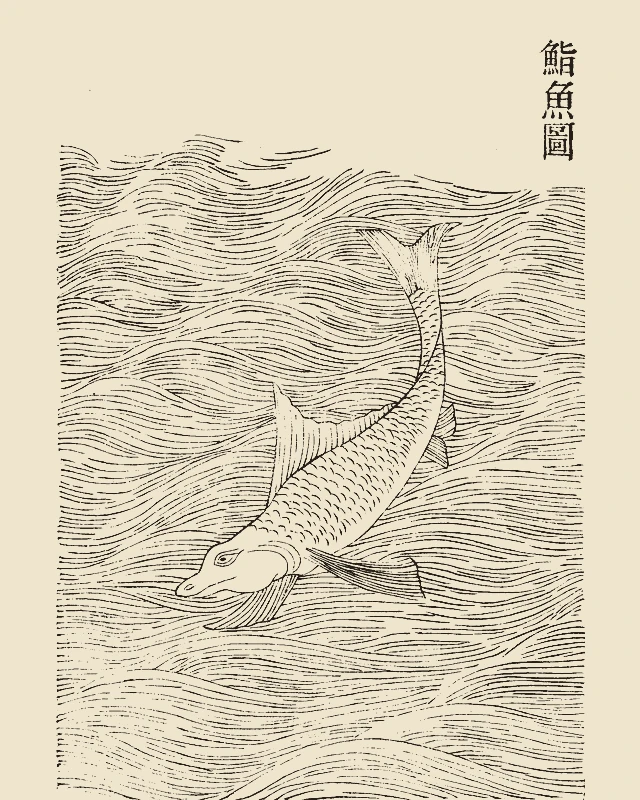
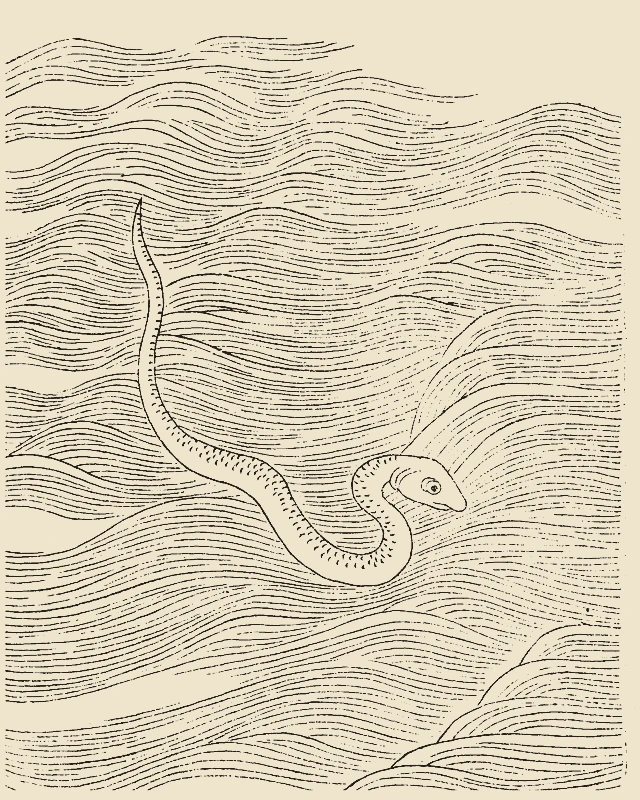
The woodblock print titled 珠蟞魚圖 in the Gujin Tushu Jicheng depicts a disc-like creature surrounded by water plants, its central body flanked by distinct jointed limbs and radiant eyes.

With its classical name cartouche intact, the print provides visual testament to China's early marine and freshwater zoological mythology.

Record档案

Record Card档案卡

TypeAquatic (six-footed, lung-shaped pearl fish)
Also known asZhūbìyú 珠蟞魚; Pearl lung-fish 含珠蟞
Earliest sourceShan Hai Jing · Classic of the Eastern Mountains
FlavorSour-sweet taste (其味酸甘)
Medicinal useKeeps one free of pestilence and plagues (食之無癘)
Earliest source山海經·東山經
Source books山海經·東山經
Image sourceChen Menglei 陳夢雷 (ed.) · Wikimedia Commons
LicensePublic domain

Frequently Asked Questions

Why is it called the 'Zhubi' fish?

Because its body contains natural pearls ('holds pearls', 有珠) and resembles a soft turtle or lung.

What does the Zhubi fish look like?

It is shaped like a piece of animal lung with eyes, has six legs, and produces pearls.

What are its health benefits?

Its meat tastes sweet and sour, and eating it provides immunity from plagues and pestilence (食之無癘).