Sì

兕Si

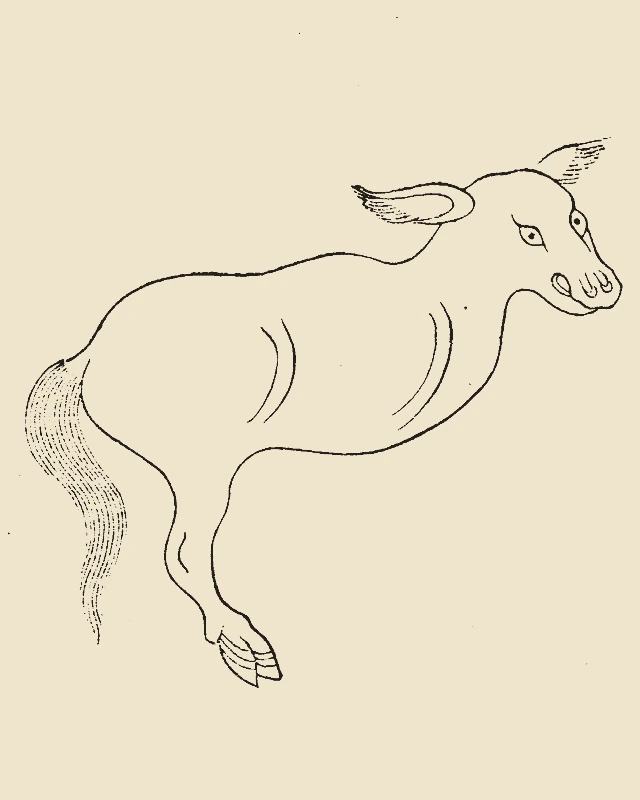
A massive, single-horned bovine of dark blue-black hide; its impervious skin was tanned into legendary armour.湘水之南、九嶷山舜帝陵寝之东,云雾深处栖息着太古灵兽兕。

Appearance形貌

Like an ox健硕体格如雄健野牛

其狀如牛

Hide皮色

Dark blue-black通体黝黑苍郁厚重

蒼黑

Horn独角

Single horn额间耸立一柄锐角

一角

Habitat地域

South Xiang漫步于幽邃湘江南滨

湘水南

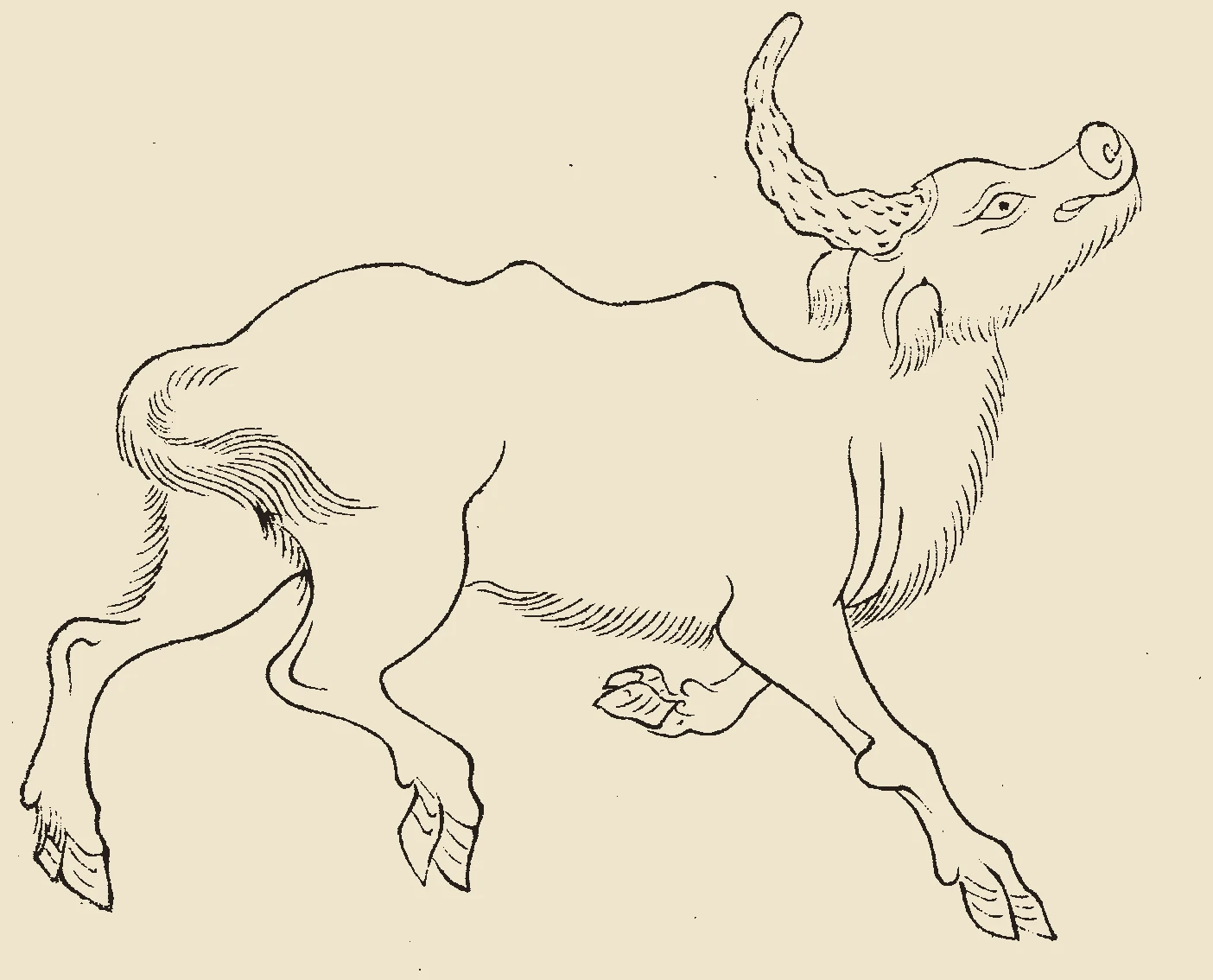
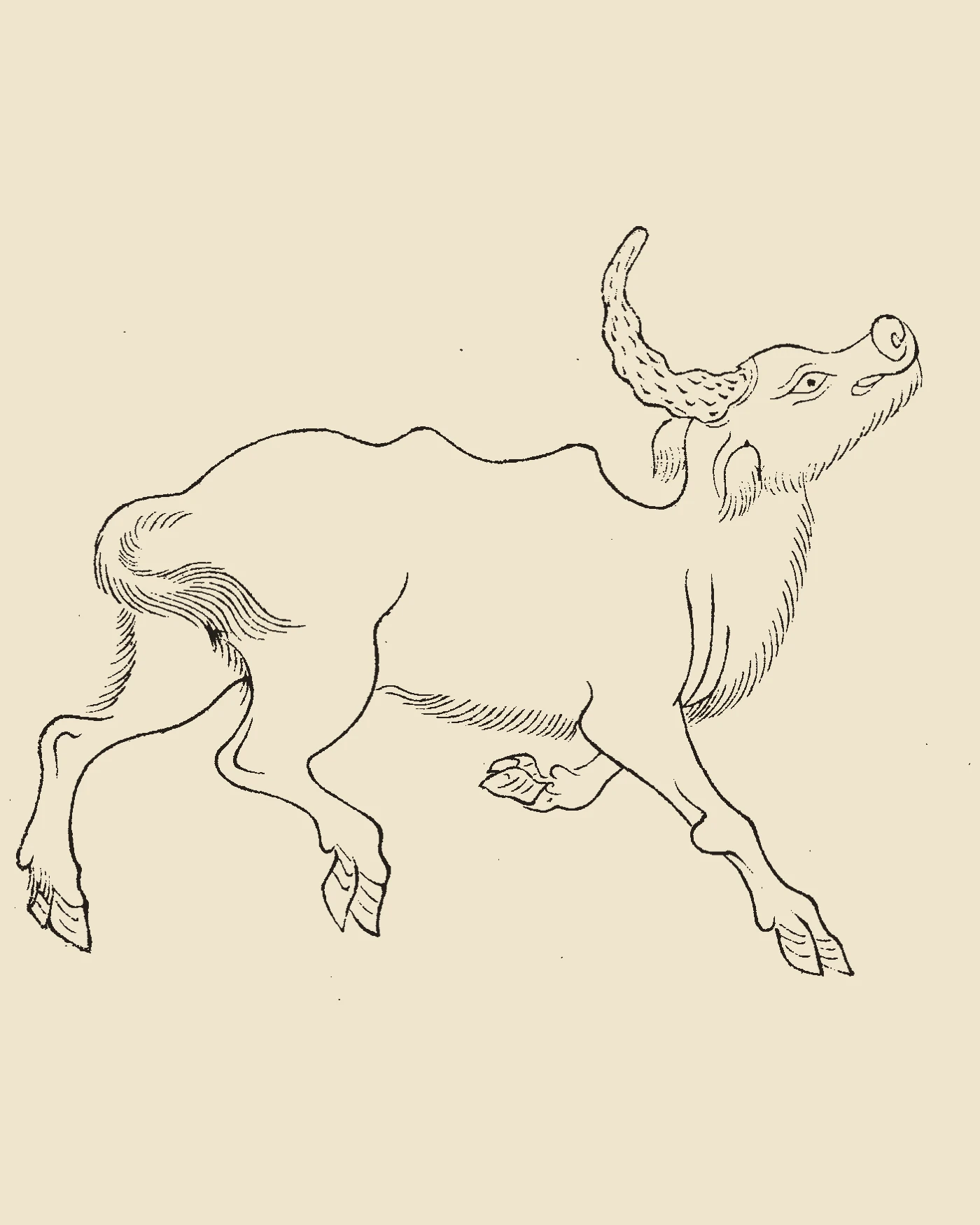
《古今图书集成》版画:兕巨角giant horn一角巨角giant horn一角硬甲armoured hide蒼黑硬甲armoured hide蒼黑牛蹄hooves其狀如牛牛蹄hooves其狀如牛長尾long tail其狀如牛長尾long tail其狀如牛
帝舜之葬在蒼梧之野,湘水出其南。

Emperor Shun was buried in the Wilds of Cangwu, south of which rises the Xiang River.

山海經·海內南經
Emperor Shun was buried in the Wilds of Cangwu, south of which rises the Xiang River.帝舜之葬在蒼梧之野,湘水出其南。 · Public domain公有领域

Highlighted words: anatomy part · feature · form type — tap to jump标色词:形态部位 · 特征 · 形态类别,点击可跳转

The texts原文

Original Text & Translation原文与译文

山海經·海內南經 · Shan Hai Jing · Classic of Regions Within the Southern Sea · Wikisource

兕在舜葬東,湘水南。其狀如牛,蒼黑,一角。
The Si lives east of the burial place of Emperor Shun, south of the Xiang River. Its shape is like an ox, dark grayish-black, with a single horn.

山海經·海內南經 · Shan Hai Jing · Classic of Regions Within the Southern Sea · Wikisource

兕在舜葬東,湘水南。其狀如牛,蒼黑,一角。
The Si lives east of the burial place of Emperor Shun and south of the Xiang River. It is shaped like an ox, dark bluish-black, with a single horn.

Comparing the Books典籍对比

The Shan Hai Jing portrays the Si as an awe-inspiring, single-horned beast dwelling near the burial grounds of sage-king Shun, foundational to early Chinese armor-craft.
The story来历与故事

A massive, single-horned bovine of dark blue-black hide; its impervious skin was tanned into legendary armour.

The Lore of Si兕之古籍神异记述

South of the mist-shrouded Xiang River, beside the eternal resting place of sage湘水之南、九嶷山舜帝陵寝之东,云雾深处栖息着太古灵兽兕。其躯体沉重逾千斤,青黑色

South of the mist-shrouded Xiang River, beside the eternal resting place of sage-emperor Shun, grazed the primeval Si. Weighing thousands of pounds with an iron-dense blue-black hi

de and a solitary recurved horn, it commanded respect across the southern marshlands. Ancient kings considered hunting the Si an ultimate trial of martial virtue.

Depiction in the Imperial Encyclopaedia《古今图书集成》图解与文化传承

In the imperial editions of the Gujin Tushu Jicheng, the Si is immortalized with powerful musculature, solid hooves, and a prominent crescent horn, standing as a legendary emblem o

兕在舜葬東,湘水南。其狀如牛,蒼黑,一角。

The Si lives east of the burial place of Emperor Shun, south of the Xiang River. Its shape is like an ox, dark grayish-black, with a single horn.

— 山海經·海內南經 · Shan Hai Jing · Classic of Regions Within the Southern Sea

f indomitable physical resilience.

Record档案

Record Card档案卡

Typebeast
Also known asWild Rhinoceros 犀兕; Blue Bovine 青兕
HabitatEast of Shun's Tomb (舜葬東), south of the Xiang River
PowerImpervious hide, immense ramming force
UseHide used to forge impenetrable classical armor (兕甲)
Earliest source山海經·海內南經
Source books山海經·海內南經
Image sourceChen Menglei 陳夢雷 (ed.) · Wikimedia Commons
LicensePublic domain

Frequently Asked Questions

What is the Si in Chinese mythology?

The Si (兕) is an ancient mythological single-horned bovine or rhinoceros-like beast described in the Shan Hai Jing and classic historical chronicles.

How was the hide of the Si used in antiquity?

Ancient military texts record that the hide of the Si was exceptionally tough and was tanned into high-grade defensive armour worn by warriors during the Zhou dynasty.

Where was the Si said to roam?

According to the Shan Hai Jing, the Si roamed east of Emperor Shun's mausoleum in Mount Cangwu, south of the winding Xiang River.