Máo

犛Maoniu

The colossal wild yak of Mount Jing clad in woolly drapes of shaggy hair; its tail hairs adorned royal military banners.荆山苍茫深秀,金铁之气蒸蔚。

Fauna群兽

Yak herds高寒山谷深毛野牛

其中多犛牛

Predator伴生

Leopards绝壁游荡猛虎长豹

多豹虎

Mine矿藏

Iron and gold山南储赤金阴多顽铁

其陰多鐵

Water水系

Zhang River东流奔注长川大河

漳水出焉

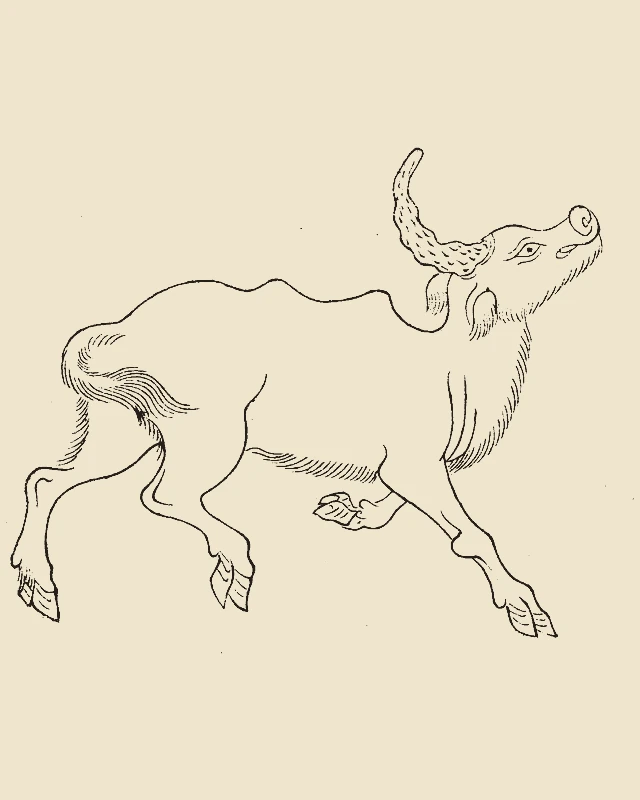
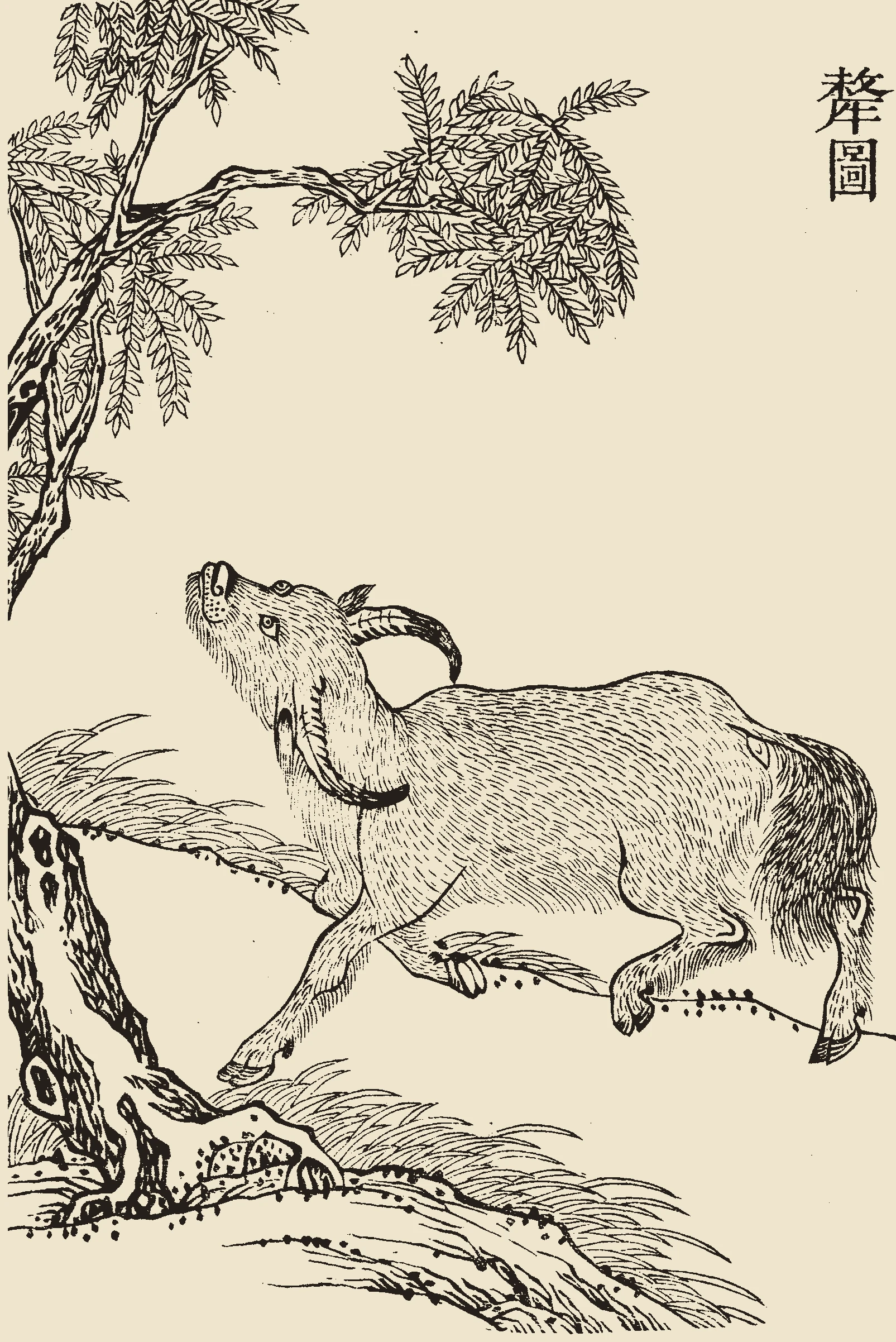
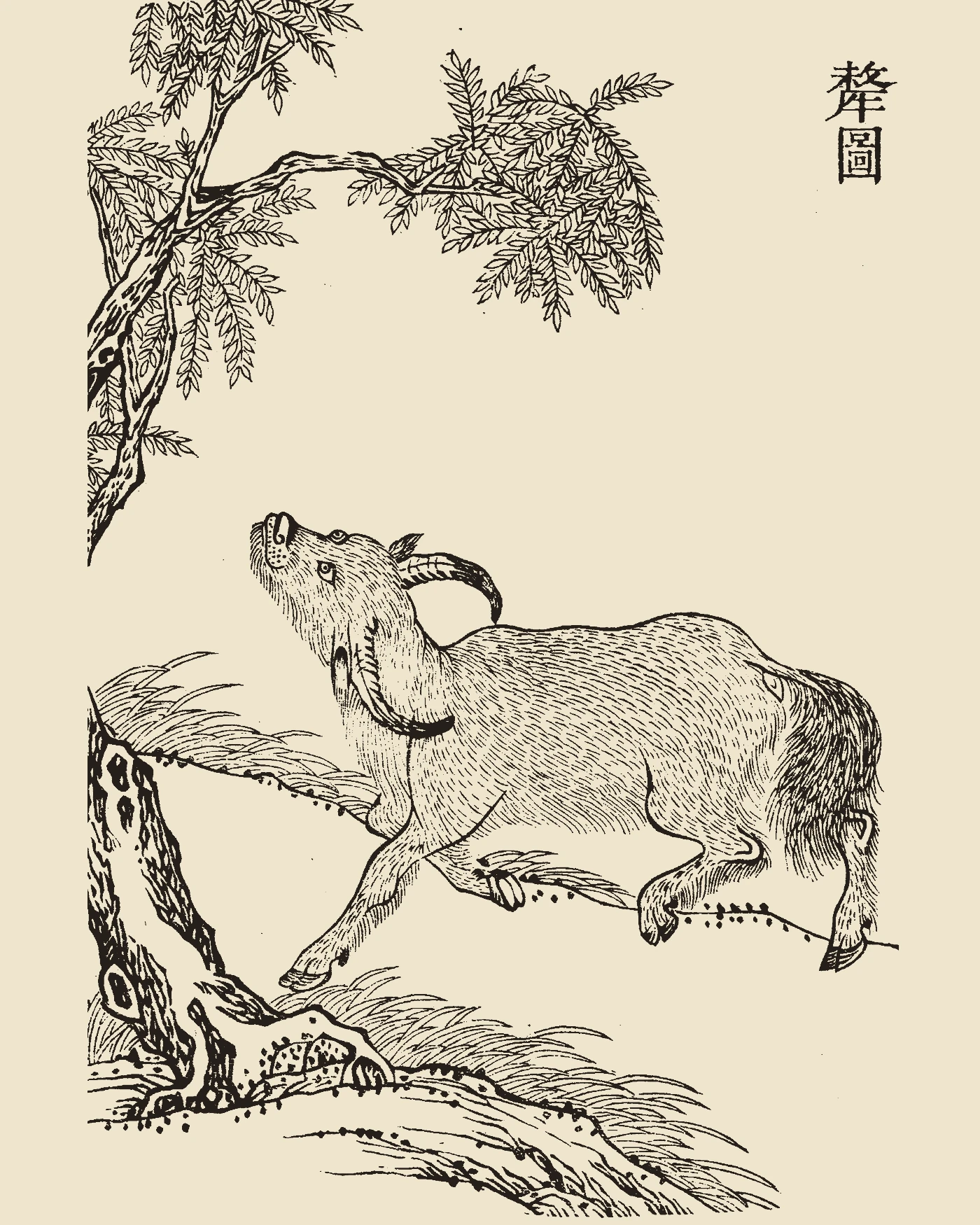
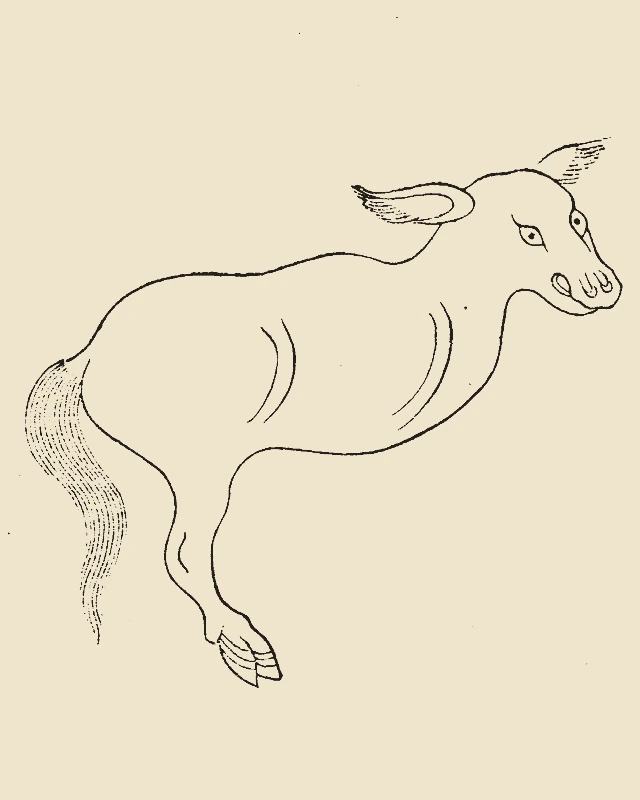
《古今图书集成》版画:犛巨角sweeping horns多犛牛巨角sweeping horns多犛牛垂毛shaggy fleece多犛牛垂毛shaggy fleece多犛牛厚蹄sturdy hooves多犛牛厚蹄sturdy hooves多犛牛長尾bushy tail多犛牛長尾bushy tail多犛牛
東北百里,曰荊山,其木多松柏,其草多竹。

One hundred li northeast is Mount Jing, whose woods are rich in pines and cypresses and slopes covered in bamboo.

山海經·中山經
One hundred li northeast is Mount Jing, whose woods are rich in pines and cypresses and slopes covered in bamboo.東北百里,曰荊山,其木多松柏,其草多竹。 · Public domain公有领域

Highlighted words: anatomy part · feature · form type — tap to jump标色词:形态部位 · 特征 · 形态类别,点击可跳转

The texts原文

Original Text & Translation原文与译文

山海經·中山經 · Shan Hai Jing · Classic of the Central Mountains · Wikisource

東北百里,曰荊山,其陰多鐵,其陽多赤金,其中多犛牛,多豹虎,其木多松柏,其草多竹,多橘櫾。漳水出焉,而東南流注于雎,其中多黃金,多鮫魚,其獸多閭麋。
One hundred li northeast is Mount Jing. Its shaded slopes abound in iron and its sunny slopes in red gold; within it are many Maoniu (wild yaks), leopards, and tigers. Its trees are mostly pines and cypresses.

Comparing the Books典籍对比

The Classic of the Central Mountains records the Maoniu in the mineral-rich forests of Mount Jing, celebrated in antiquity for its massive bulk and military banner-tufts.
The story来历与故事

The colossal wild yak of Mount Jing clad in woolly drapes of shaggy hair; its tail hairs adorned royal military banners.

The Lore of Maoniu犛之古籍神异记述

High in the bamboo groves and whispering pines of Mount Jing, the giant Maoniu g荆山苍茫深秀,金铁之气蒸蔚。雄健的犛牛漫步于松竹崖壑之间,体格魁伟如山丘,长毛浓

High in the bamboo groves and whispering pines of Mount Jing, the giant Maoniu grazed beside iron-rich cliff veins. Its woolly black mantle draped down past its knees like an insul

ated armor against mountain gales, while its swept horns could deter hunting tigers. Ancient royal commanders harvested its bushy tail to adorn sacred battle flags.

Depiction in the Imperial Encyclopaedia《古今图书集成》图解与文化传承

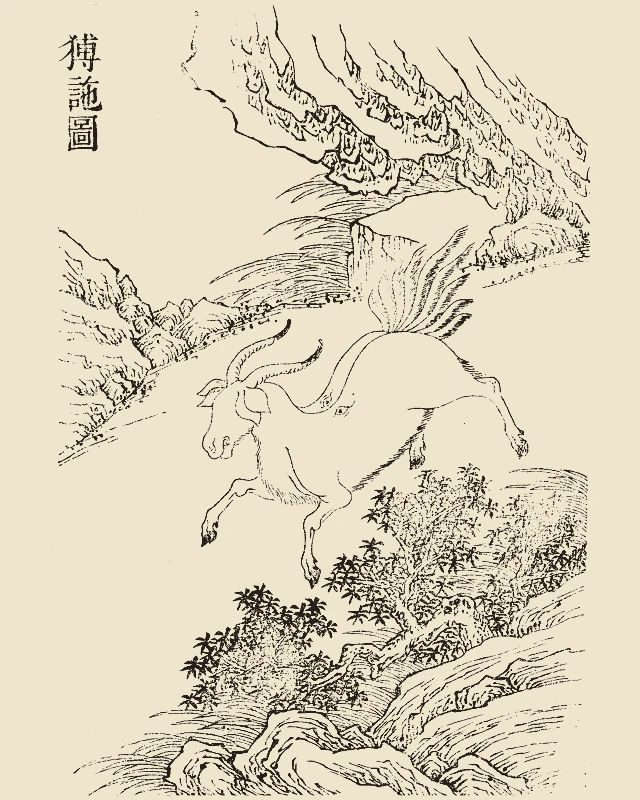
In the Gujin Tushu Jicheng, the Maoniu is portrayed with solid bone structure, sweeping horns, and thick rippling fleece, standing as an enduring symbol of unshakeable strength.

Record档案

Record Card档案卡

Typebeast
Also known asWild Yak 犛牛; Highland Ox 髦牛
HabitatMount Jing (荊山), Central Mountains
PowerTireless endurance, impervious thick wool, formidable horns
UseTail hairs prized to fashion royal command banners (犛尾旌旗)
Earliest source山海經·中山經
Source books山海經·中山經
Image sourceChen Menglei 陳夢雷 (ed.) · Wikimedia Commons
LicensePublic domain

Frequently Asked Questions

What is the Maoniu in the Shan Hai Jing?

The Maoniu (犛 / 犛牛) is the wild mountain yak documented in the Shan Hai Jing roaming Mount Jing, celebrated for its immense strength and long shaggy fleece.

What were Maoniu tail hairs used for in antiquity?

In ancient Chinese warfare and ceremonial ritual, the long, silky tail hairs of the Maoniu were dyed and mounted onto commanders' staffs (犛旄) to direct armies.

Where did the Maoniu live according to Mount Jing's account?

It lived on Mount Jing, an ancient peak celebrated for deposits of raw iron and red cinnabar-gold, thriving among dense groves of mountain bamboo and pines.