Qièzhī

竊脂Qiezhi

A crimson owl of Mount Ju with a stark white crown; it feeds on animal fat and shields homes from consuming fires.崌山江水奔流,崖壁险怪。

Appearance形貌

Like an owl鸟貌宛若夜行苍鸮

狀如鴞

Plumage毛羽

Red body, white head朱砂羽躯白顶分明

赤身白首

Name名号

Fat-Stealer林间唤作窃脂怪鸟

其名曰竊脂

Power辟灾

Wards fire栖止可御祝融炎火

可以禦火

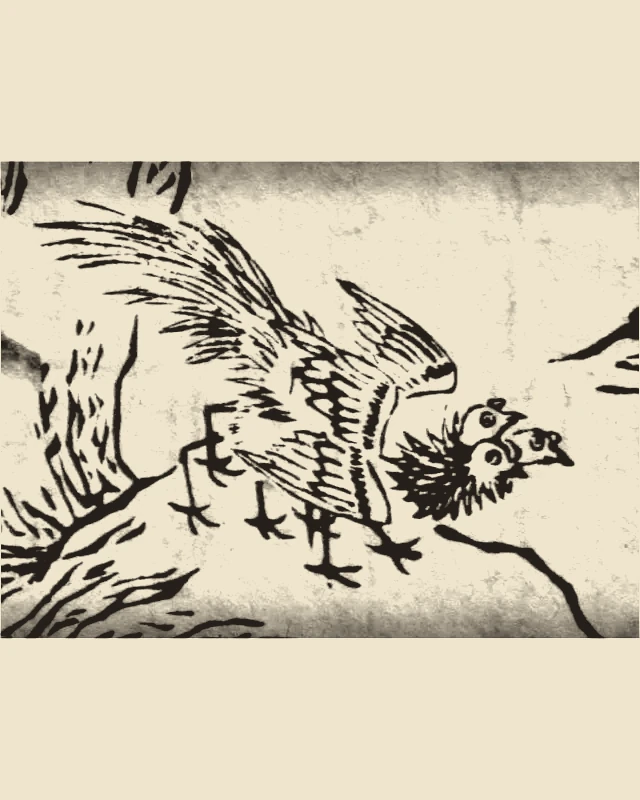
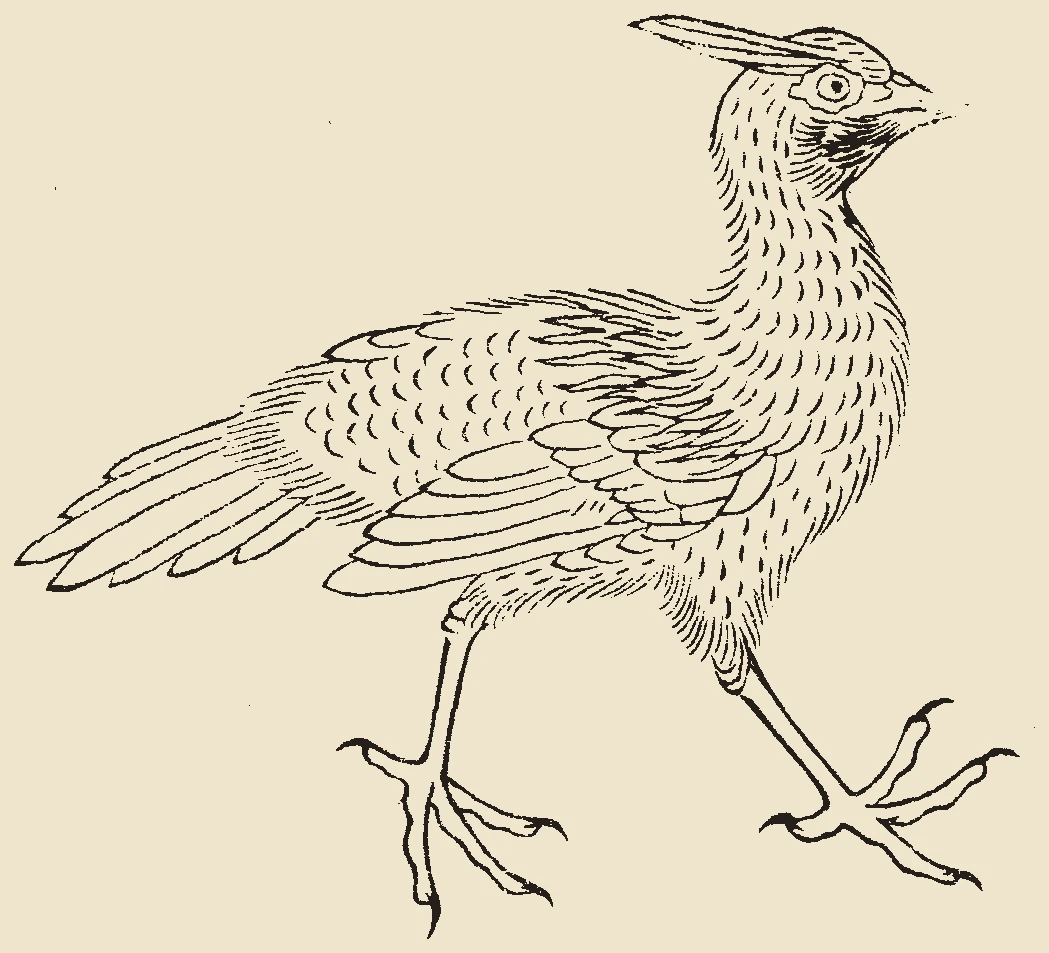
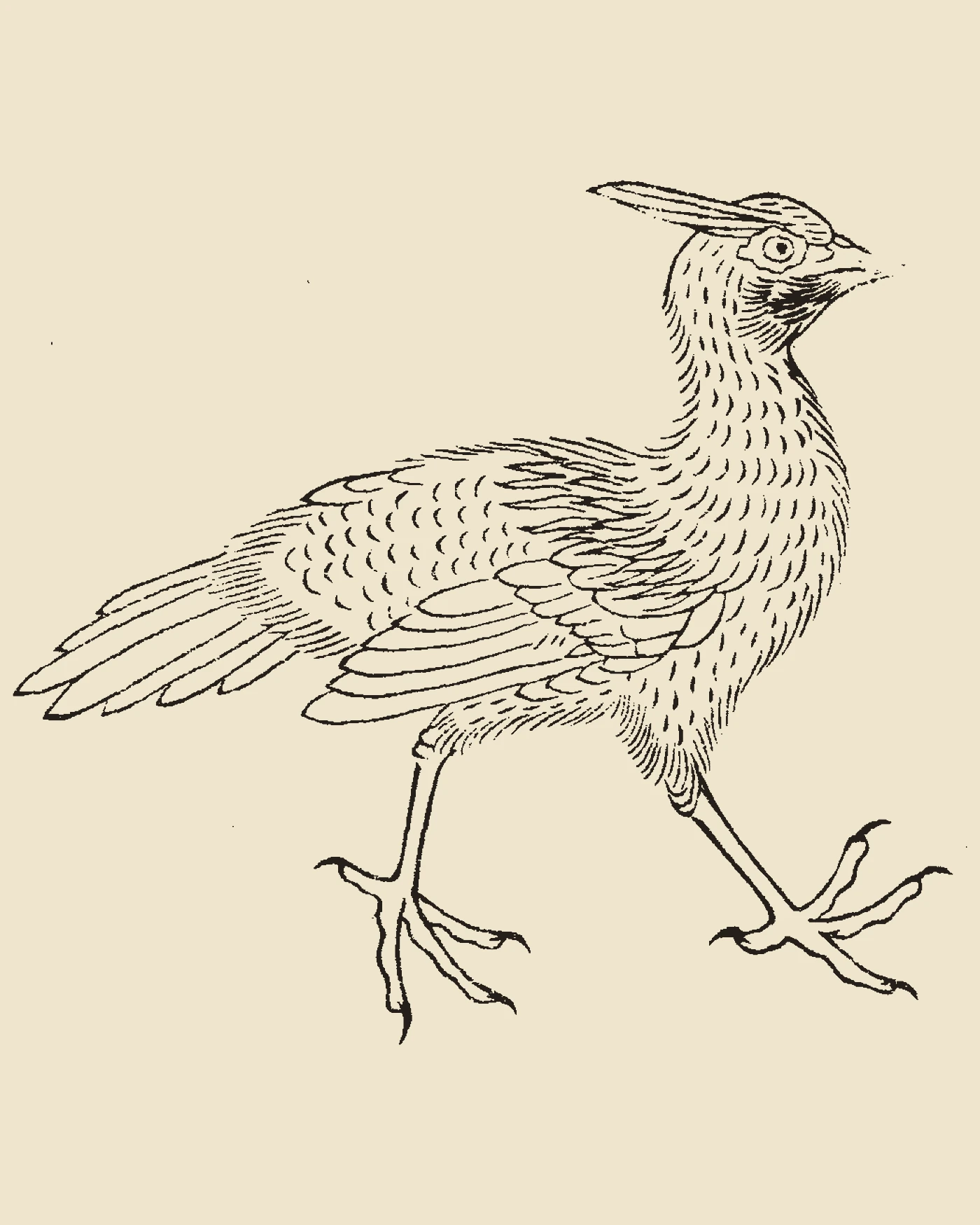
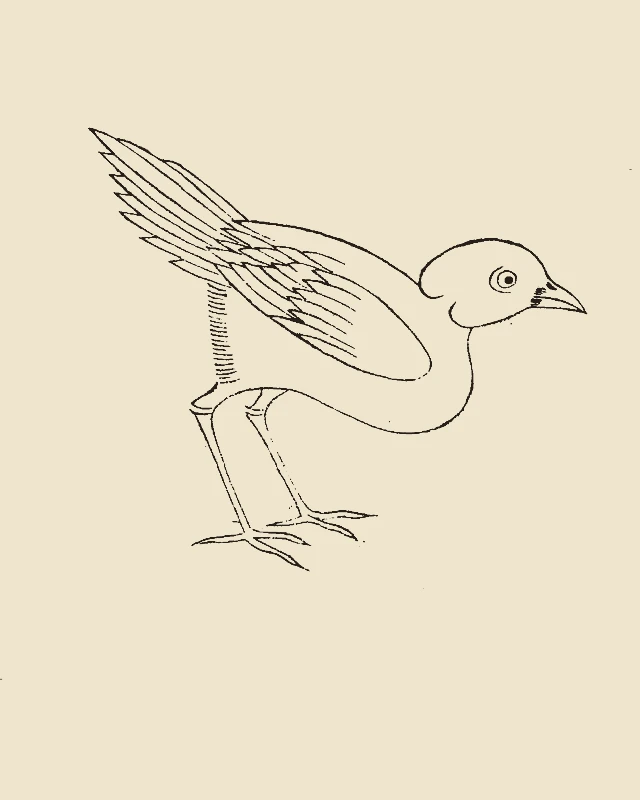
《古今图书集成》版画:竊脂白首white crown赤身白首白首white crown赤身白首利喙hooked beak狀如鴞利喙hooked beak狀如鴞赤羽crimson wings赤身白首赤羽crimson wings赤身白首鉤爪talons狀如鴞鉤爪talons狀如鴞
又東一百五十里,曰崌山。江水出焉,東流注于大江。

One hundred and fifty li further east is Mount Ju, where river waters rise and flow east into the great Yangtze.

山海經·中山經
One hundred and fifty li further east is Mount Ju, where river waters rise and flow east into the great Yangtze.又東一百五十里,曰崌山。江水出焉,東流注于大江。 · Public domain公有领域

Highlighted words: anatomy part · feature · form type — tap to jump标色词:形态部位 · 特征 · 形态类别,点击可跳转

The texts原文

Original Text & Translation原文与译文

山海經·中山經 · Shan Hai Jing · Classic of the Central Mountains · Wikisource

又東一百五十里,曰崌山。江水出焉,東流注于大江,其中多怪蛇,多䲀魚……有鳥焉,狀如鴞而赤身白首,其名曰竊脂,可以禦火。
One hundred and fifty li further east is Mount Ju. The Jiang River rises here and flows east into the Great River, teeming with strange serpents and zhi-fish. … There is a bird here shaped like an owl with a red body and a white head. Its name is Qiezhi; it can be used to ward off fire.

Comparing the Books典籍对比

The Classic of the Central Mountains describes Qiezhi as a fire-warding owl living near the upper reaches of the Yangtze, distinct for its crimson body and taste for fat.
The story来历与故事

A crimson owl of Mount Ju with a stark white crown; it feeds on animal fat and shields homes from consuming fires.

The Lore of Qiezhi竊脂之古籍神异记述

Mount Ju stood beside torrential rivers where bizarre water-serpents hunted in t崌山江水奔流,崖壁险怪。棲居于绝顶的竊脂周身如烈火赤焰,顶冠却皎洁如雪。古人发现

Mount Ju stood beside torrential rivers where bizarre water-serpents hunted in the foam. High on its rockfaces nested the Qiezhi, an owl glowing like living embers with a snow-whit

e crest. Despite its predatory appearance and appetite for animal fat, mountain dwellers revered it as a fire-warden, erecting roof carvings resembling its visage to tame summer blazes.

Depiction in the Imperial Encyclopaedia《古今图书集成》图解与文化传承

In the woodblock tradition of the Gujin Tushu Jicheng, the Qiezhi is illustrated with acute, penetrating round eyes and flared talons, celebrated in folklore as an anti-fire talism

又東一百五十里,曰崌山。江水出焉,東流注于大江,其中多怪蛇,多䲀魚……有鳥焉,狀如鴞而赤身白首,其名曰竊脂,可以禦火。

One hundred and fifty li further east is Mount Ju. The Jiang River rises here and flows east into the Great River, teeming with strange serpents and zhi-fish. … There is a bird here shaped like an owl with a red body and a white head. Its name is Qiezhi; it can be used to ward off fire.

— 山海經·中山經 · Shan Hai Jing · Classic of the Central Mountains

an.

Record档案

Record Card档案卡

Typebird
Also known asFat-Stealer 竊脂; Fire-Warding Owl 禦火鴞
HabitatMount Ju (崌山), Central Mountains
PowerWards off and extinguishes fire (可以禦火)
UseKept or depicted as a talisman against wildfire
Earliest source山海經·中山經
Source books山海經·中山經
Image sourceChen Menglei 陳夢雷 (ed.) · Wikimedia Commons
LicensePublic domain

Frequently Asked Questions

What is the Qiezhi in ancient Chinese lore?

The Qiezhi (竊脂) is a mythical crimson owl from Mount Ju documented in the Shan Hai Jing, named for its habit of picking at animal fat.

How does the Qiezhi protect against fire?

According to the Shan Hai Jing, keeping the Qiezhi or its likeness in a dwelling grants the supernatural power to repel and ward off devastating fire.

What does the name Qiezhi mean?

The name literally translates to 'Fat-Stealer' (竊 meaning to take stealthily, 脂 meaning animal fat), reflecting its feeding habits in ancient forests.