Lóngguī

龍龜Longgui

An auspicious dragon-headed chelonian dwelling in the waters of Lake Taize, uniting draconic majesty with turtle longevity.《山海经》记载隄水东流注入泰泽,大泽深水之中多有龙首龟身之神异龙龟。

Dragon首

Dragon head昂然神龙之颅

龍龜

Carapace甲

Turtle carapace坚厚灵龟之壳

龍龜

Water泽

Abyssal lake潜游大泽深澜

泰澤

Origin源

Dishui River顺水滔滔东流

隄水

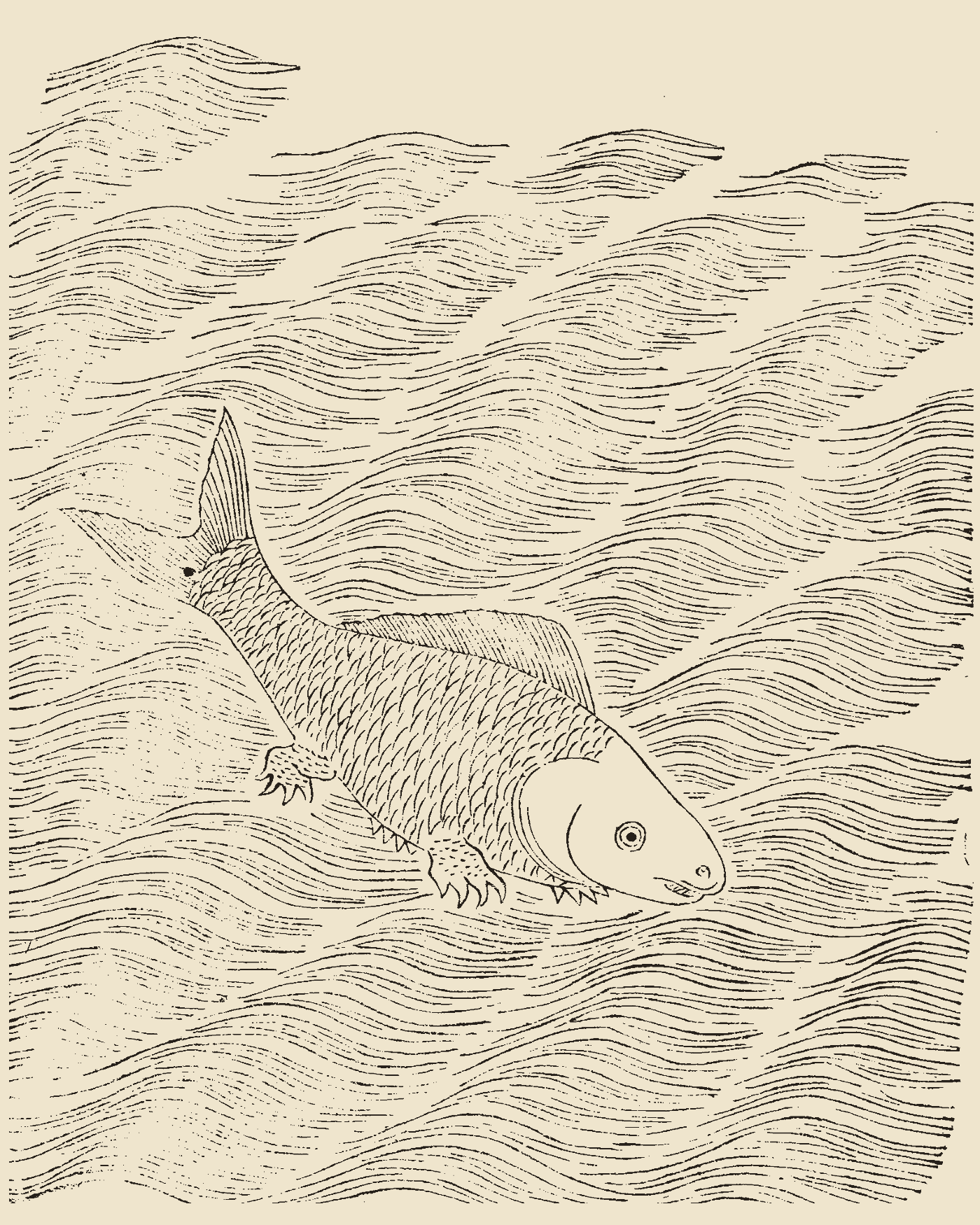
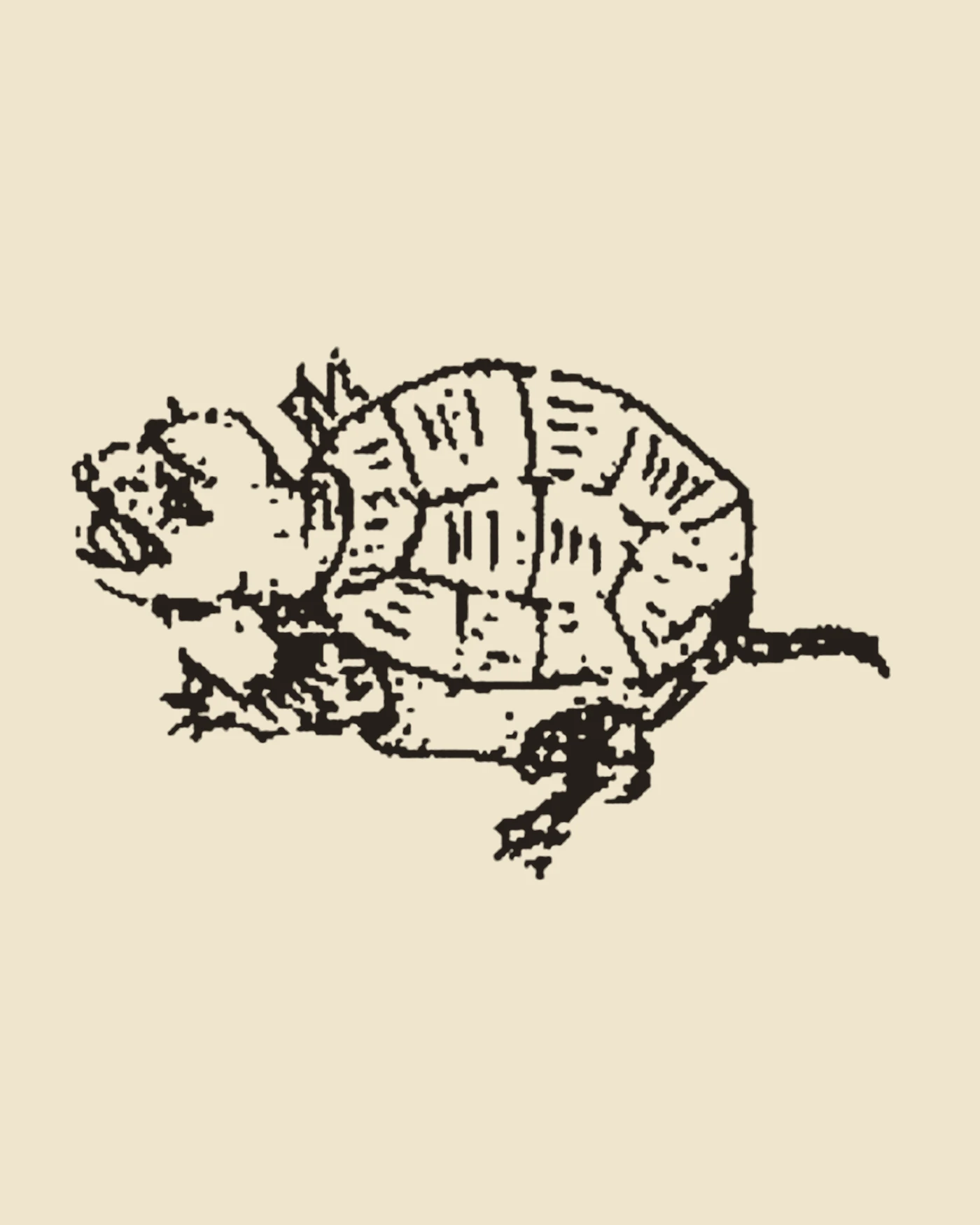
Woodblock print of Longgui, a dragon-headed turtle swimming through foaming lake waves with raised horned head龍首Dragon head角鬣昂然龍首Dragon head角鬣昂然龜身Turtle shell坚厚龟甲龜身Turtle shell坚厚龟甲四足Webbed limbs拨水四足四足Webbed limbs拨水四足泰澤Lake Taize大泽波澜泰澤Lake Taize大泽波澜
隄水出焉,而東流注于泰澤,其中多龍龜

The Dishui River emerges here and flows east into Lake Taize, where there are many Longgui.

山海經·北山經
Lóngguī 龍龜, the dragon-headed turtle swimming amidst lake waters. Wu Renchen 吳任臣, Illustrated Annotations to the Shan Hai Jing 山海經廣注, woodblock print, 1689清·吴任臣撰《山海经广注》“龙龟”,康熙二十八年(1689)刻本 · Public domain公有领域

Highlighted words: anatomy part · feature · form type — tap to jump标色词:形态部位 · 特征 · 形态类别,点击可跳转

The texts原文

Original Text & Translation原文与译文

山海經·北山經 · Shan Hai Jing · Wikisource

隄水出焉,而東流注于泰澤,其中多龍龜。
The Dishui River emerges here and flows east into Lake Taize, where there are many Longgui (Dragon Turtles).

山海經·北山經 · Shan Hai Jing · Classic of the Northern Mountains · Wikisource

隄水出焉,而東流注于泰澤,其中多龍龜。
The Dishui River emerges here and flows east into Lake Taize, where there are many Longgui (Dragon Turtles).

Comparing the Books典籍对比

Unlike the Ao or the Xuanwu, the Longgui explicitly unites a horned dragon head with a freshwater turtle carapace, becoming an enduring emblem of stability.

The story来历与故事

The Longgui is an auspicious aquatic chimera recorded in the Classic of the Northern Mountains of the Shan Hai Jing, uniting the head of a dragon with the armored carapace of a divine turtle.

The Dragon-Turtle of Mount Dishan and Lake Taize隄山之水与泰泽龙龟

Longgui is an auspicious dragon-headed chelonian dwelling in the waters of Taize.隄水发源于隄山东流注入泰泽,大泽深潭之中潜居着兼具龙龟之相的神异瑞灵。

Upon the verdant slopes of Mount Dishan in the northern range, clear mountain springs gather into the Dishui River, flowing eastward across expansive plains to discharge into the vast expanse of Lake Taize.

Within these deep, mist-veiled waters dwells an extraordinary multitude of chimeric creatures named Longgui. Ancient geographers described them as composite river marvels displaying the horned cranium of a dragon set upon the domed, segmented carapace of a turtle.

Unlike ordinary river chelonians, Longgui inhabited the deepest currents of the primordial wilderness, serving as a biological testament to early Chinese water-pantheons where aquatic dragons and ancestral turtles intermingled.

Evolution from Shan Hai Jing to Feng Shui Lore典籍流变与风水吉瑞

Late imperial editions like Wu Renchen\'s commentary depict Longgui swimming amidst waves.清初吴任臣《山海经广注》插图生动刻画龙龟踏浪而游、昂首昂然之庄严法相。

Across successive dynasties, commentaries on the Classic of Mountains and Seas amplified the legendary virtues of the creature, tracing its transformation into a premier talisman of state prosperity.

In the 1689 Illustrated Annotations to the Shan Hai Jing compiled by Qing scholar Wu Renchen, Longgui is depicted with exceptional clarity, swimming through rolling white-capped breakers with arched neck and scuted shell.

By the late imperial era, bronze and jade carvings of the dragon-turtle flourished as protective emblems placed in imperial halls and scholarly studios, symbolizing unshakeable stability.
Cosmic Longevity and Cultural Legacy永恒寿域与后世传承

In Chinese cosmological philosophy, the turtle represents primordial stability and cosmic longevity, while the dragon embodies vitality, rain-bringing benevolence, and celestial majesty.

隄水出焉,而東流注于泰澤,其中多龍龜。

The Dishui River emerges here and flows east into Lake Taize, where there are many Longgui (Dragon Turtles).

— 山海經·北山經 · Shan Hai Jing

The union of these two paramount sacred symbols created an enduring archetypal hybrid that transcended mere natural history to become a universal cultural motif throughout East Asia.

Today, the Longgui remains one of the most recognizable icons in classical Chinese folklore, continuously celebrated in fine arts, architecture, and contemporary mythological collections.

Record档案

Record Card档案卡

TypeAuspicious Water Beast (dragon-headed chelonian of Lake Taize)
Also known asLóngguī 龍龜; Dragon Turtle; Taize Longgui (泰澤龍龜)
HabitatLake Taize (泰澤), fed by the Dishui River of Mount Dishan
NatureAuspicious water-dwelling dragon chimera (隄水東流注于泰澤,其中多龍龜)
Earliest source山海經·北山經
Source books山海經·北山經
Image sourceWu Renchen 吳任臣 (ed.) · Wikimedia Commons
LicensePublic domain

Frequently Asked Questions

What is the Longgui in Chinese mythology?

The Longgui is an auspicious chimeric beast recorded in the Classic of the Northern Mountains of the Shan Hai Jing. It combines the head of a horned dragon with the protective shell and body of a divine turtle, inhabiting deep freshwater lakes.

Where does the Longgui dwell according to ancient records?

According to the Shan Hai Jing, the Dishui River originates from Mount Dishan and flows eastward to empty into Lake Taize, a vast water reservoir celebrated as the home of many Longgui.

What does the Longgui symbolize in traditional Chinese culture?

In classical lore and imperial symbolism, the Longgui embodies supreme longevity, immovable endurance, cosmic stability, and good fortune, uniting the celestial potency of the dragon with the serene permanence of the turtle.