Yàyǔ

窫窳Yayu

A red-bodied, human-faced, horse-hoofed ox monster with an infant's cry that devours mortals.少咸山上的红躯人面马足食人之兽,叫声如同婴儿啼哭。

Body体魄

Bovine frame躯体庞大宛如黄牛

其狀如牛

Colour体色

Scarlet body皮毛通体鲜红如血

赤身

Face人面

Human countenance牛颈顶着人类容颜

人面

Nature食人

Devours humans凶残嗜杀猎食凡人

是食人

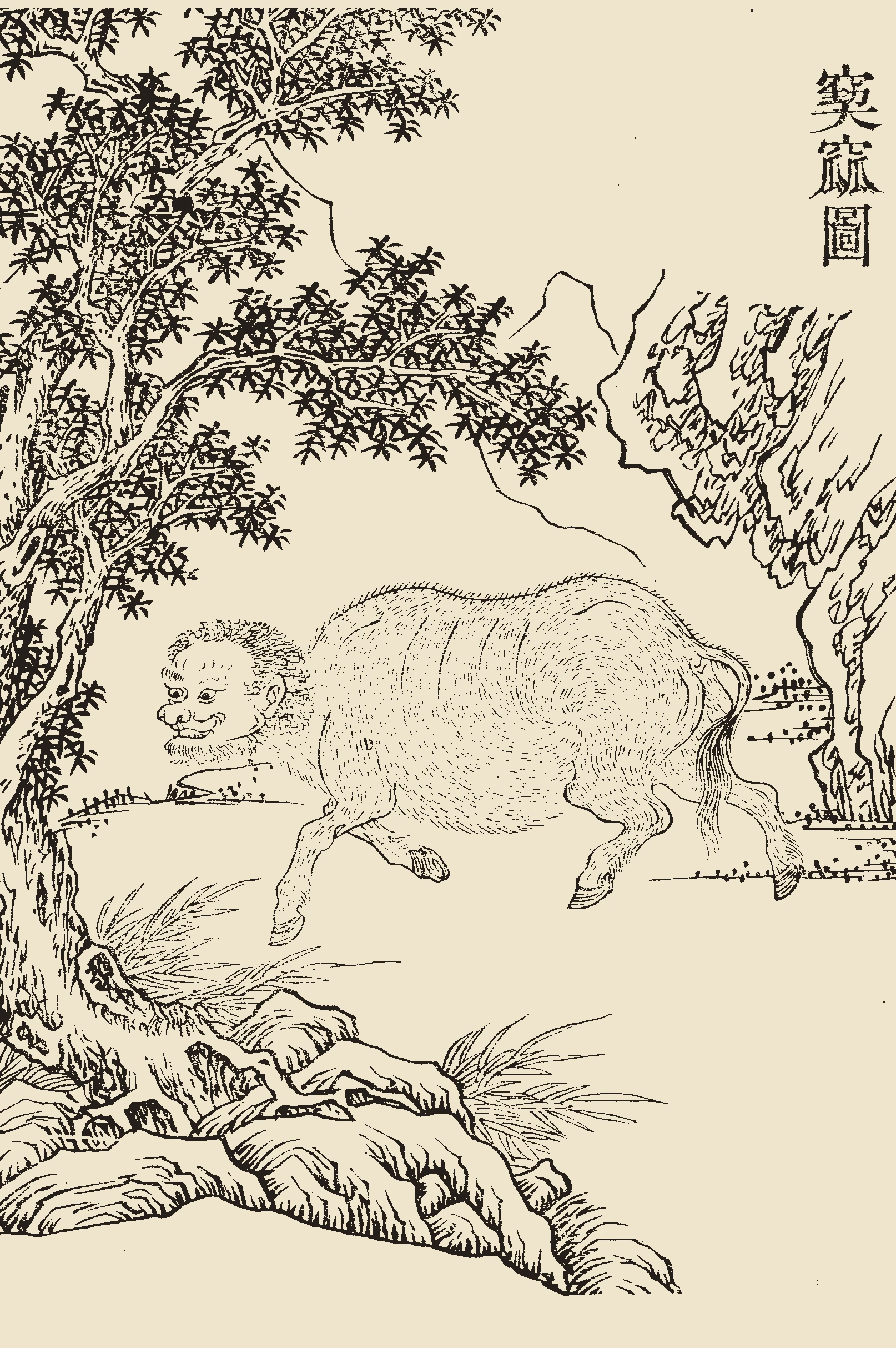
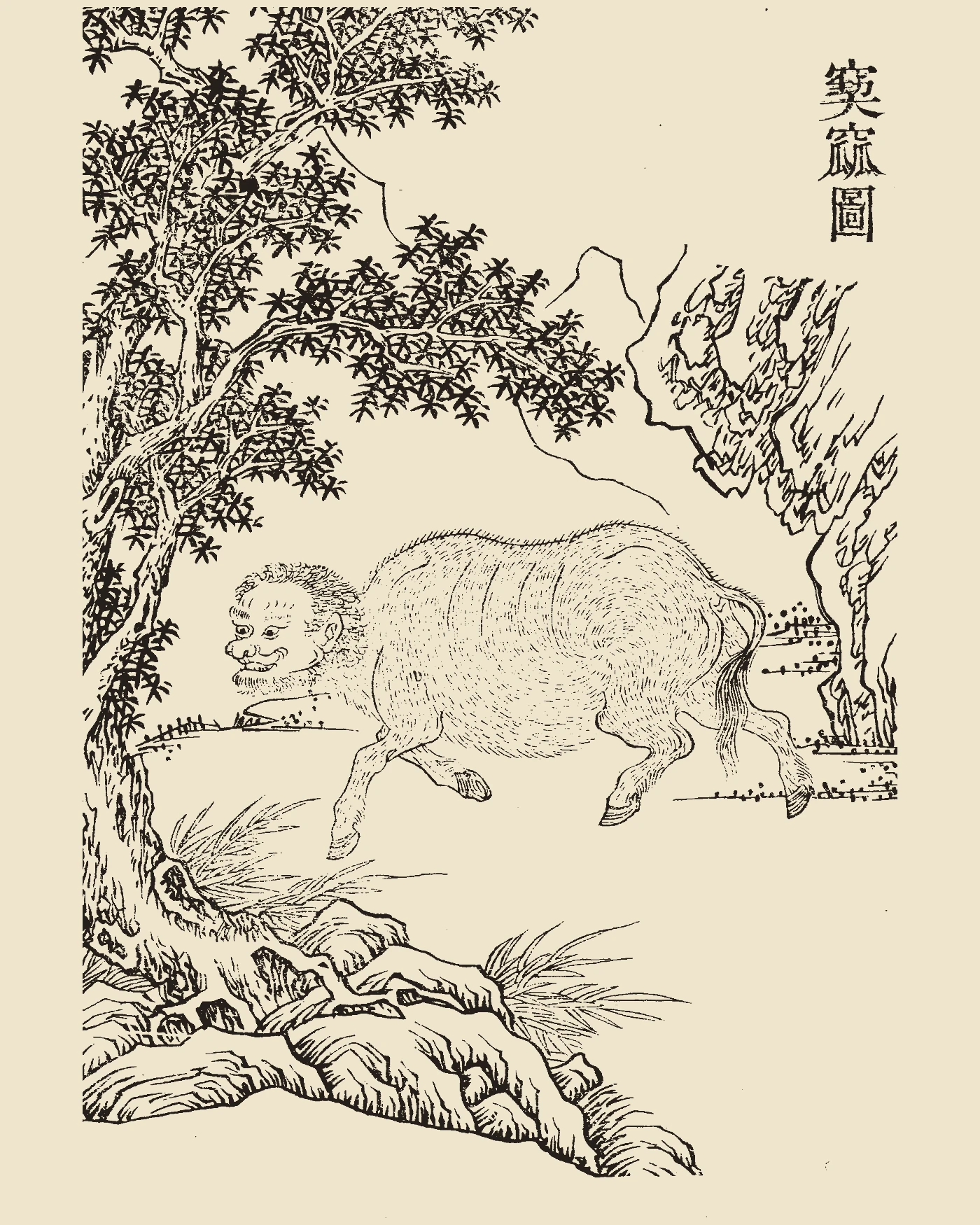
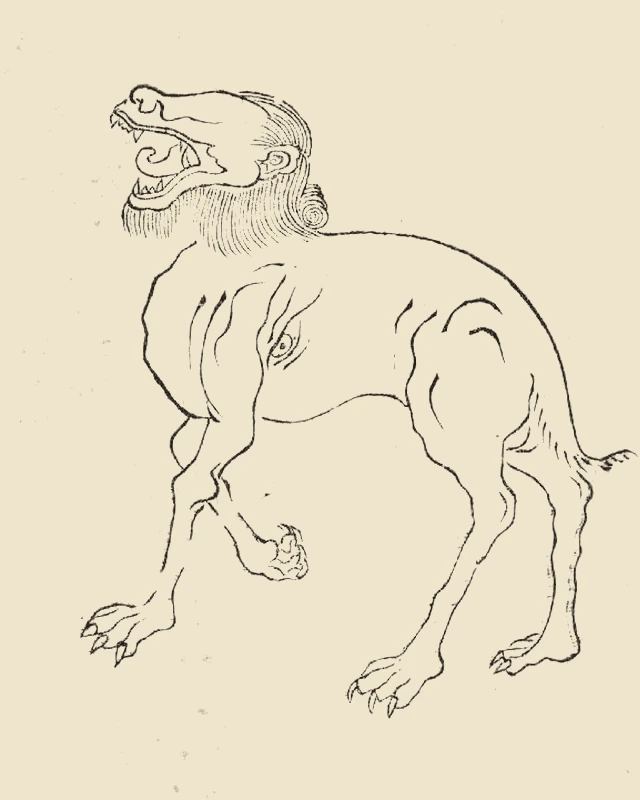
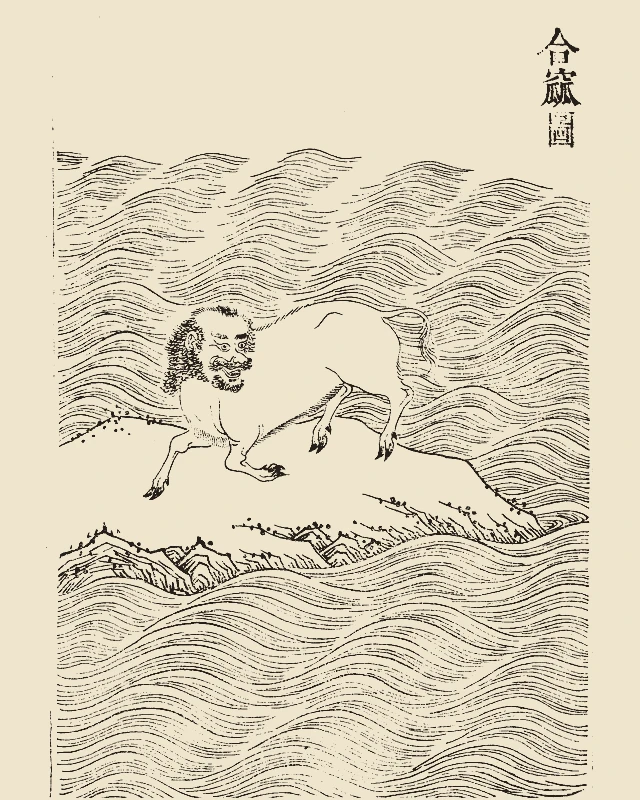
Woodblock print from the Gujin Tushu Jicheng: a human-faced beast with hooves and a long tail stands by mountain rocks, titled 'Yayu Tu'人面Human face牛首上的人类面孔人面Human face牛首上的人类面孔其狀如牛Bovine body粗壮威武的牛躯其狀如牛Bovine body粗壮威武的牛躯赤身Red pelt遍布全身的鲜红毛皮赤身Red pelt遍布全身的鲜红毛皮長尾Tail身后垂落的长尾長尾Tail身后垂落的长尾
少咸之山無草木多青碧

Mount Shaoxian has no plants but abounds in celadon jasper.

山海經·北山經
窫窳圖, Gujin Tushu Jicheng 古今圖書集成, Qin Chong Dian (Section on Birds and Animals), woodblock print, 1726清·陈梦雷等编《古今图书集成·禽虫典》“窫窳图”,雍正四年(1726)铜活字印本 · Public domain公有领域

Highlighted words: anatomy part · feature · form type — tap to jump标色词:形态部位 · 特征 · 形态类别,点击可跳转

The texts原文

Original Text & Translation原文与译文

山海經·北山經 · 山海經·北山經 · Wikisource

又北二百里,曰少咸之山,無草木,多青碧。有獸焉,其狀如牛,而赤身、人面、馬足,名曰窫窳,其音如嬰兒,是食人。敦水出焉,東流注于鴈門之水,其中多䰽䰽之魚。食之殺人。
Two hundred li further north is Mount Shaoxian. It has no grass or trees and abounds in blue-green jasper. There is a beast here shaped like an ox, with a red body, a human face, and horse's feet, named Yayu. Its voice is like an infant, and it eats humans.
Show all sources (3)展开全部出处(3)

淮南子·本經訓 · Huainanzi: Basic Norms《淮南子·本經訓》 · Wikisource

上射十日而下殺猰貐。
Above, he shot down the ten suns; below, he slew the ferocious Yayu.
The Huainanzi lists the execution of the man-eating Yayu among the six foundational monster-slaying feats of Yi.

Comparing the Books典籍对比

The Northern Mountains text identifies it as an ox-shaped, red-bodied, human-faced man-eater; the Qing woodcut renders its eerie human face and hoofed stance.

While the Shan Hai Jing narrates Yayu's tragic origin—a serpent-god slain by rebellious co-conspirator Erfu and transformed after resurrection into an infant-voiced man-eater—the Huainanzi frames Yayu as one of the six primeval perils extinguished by Archer Yi to preserve civilization.
The story来历与故事

Yayu (窫窳, also written 猰貐) is one of the most formidable predatory monsters of ancient Chinese mythology. Described in the Classic of the Northern Mountains as an ox-sized beast with an unsettling human face, equine hooves, and a blood-red hide, it lures travelers by mimicking the pitiful wailing of a human infant before devouring them.

The Human-Faced Predator of Mount Shaoxian少咸山的人面凶兽

Mount Shaoxian is a barren expanse devoid of trees, rich in turquoise jasper. He少咸之山上寸草不生,多产青碧美玉。发源于此的敦水向东奔流入雁门,凶悍的窫窳便徘徊

Mount Shaoxian is a barren expanse devoid of trees, rich in turquoise jasper. Here the river Dun rises to flow towards Yanmen, and here the dreadful Yayu stalks the wastes.

In larger mythological cycles (including the Huainanzi), Yayu was originally a benevolent celestial deity slain by Erfu, later transformed into a man-eating terror until shot by the divine archer Hou Yi.

上射十日而下殺猰貐。

Above, he shot down the ten suns; below, he slew the ferocious Yayu.

— 淮南子·本經訓 · Huainanzi: Basic Norms《淮南子·本經訓》

The Imperial Encyclopaedia Engraving清代官版图相

The woodblock print titled 窫窳圖 in the Gujin Tushu Jicheng renders the beast standing upon broken rocks, clearly depicting its human facial features set into a heavy quadrupedal body.

The illustration accurately depicts its equine hooves and serpentine or bovine tail, framed within the standard imperial cartouche.

In Chinese mythography, Yayu represents the archetype of the corrupted immortal whose resurrected corpse mutates into an engine of devastation, reflecting archaic anxieties surrounding transgressed mortuary ritual.

Record档案

Record Card档案卡

TypeBeast (human-faced ox, infant voice, man-eater)
Also known asYàyǔ 窫窳; Yayu monster 食人窫窳
Earliest sourceShan Hai Jing · Classic of the Northern Mountains
HabitDevours humans (是食人)
Earliest source山海經·北山經
Source books山海經·北山經
Image sourceChen Menglei 陳夢雷 (ed.) · Wikimedia Commons
LicensePublic domain

Frequently Asked Questions

What is the Yayu in Chinese mythology?

It is a deadly man-eating beast with an ox's body, horse hooves, and a human face, notorious for crying like an infant.

How does Yayu hunt its prey?

It mimics the cry of an infant to lure sympathetic humans before attacking and eating them.

Who defeated Yayu in legend?

According to the Huainanzi, the mythical archer Hou Yi slew Yayu to save humankind.

See also另见

  • Erfu — Erfu is the treacherous god who co-conspired to murder Yayu, triggering Yayu's fateful aquatic mutation.贰负乃合谋诛杀窫窳之元凶罪神,直接导致了窫窳复生异化为食人凶兽的悲剧。
  • Xiangliu — Both Yayu and Xiangliu were devastating water perils overcome by ancient civilizing champions.窫窳与相柳同为为祸四方水泽的上古剧毒恶兽,终为先民英雄神将所降伏。