Xiàngshé

象蛇Xiangshe

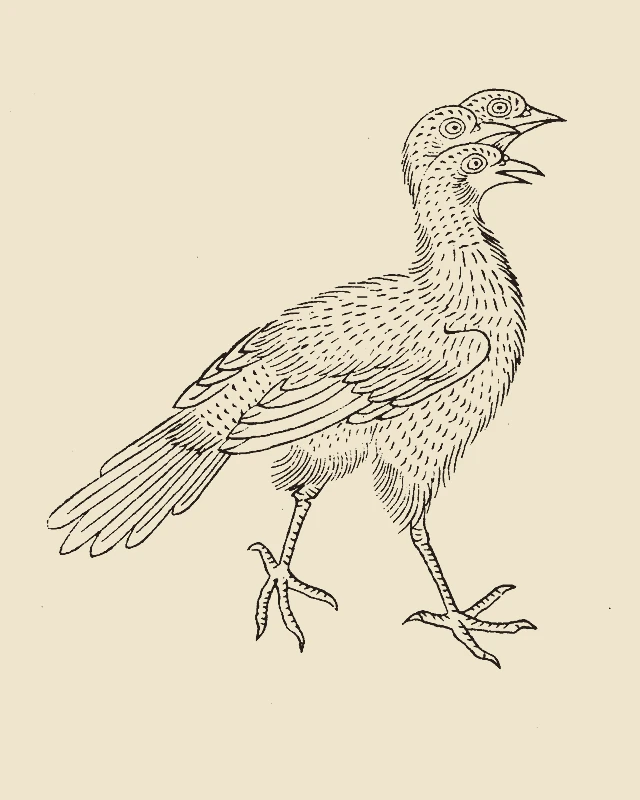
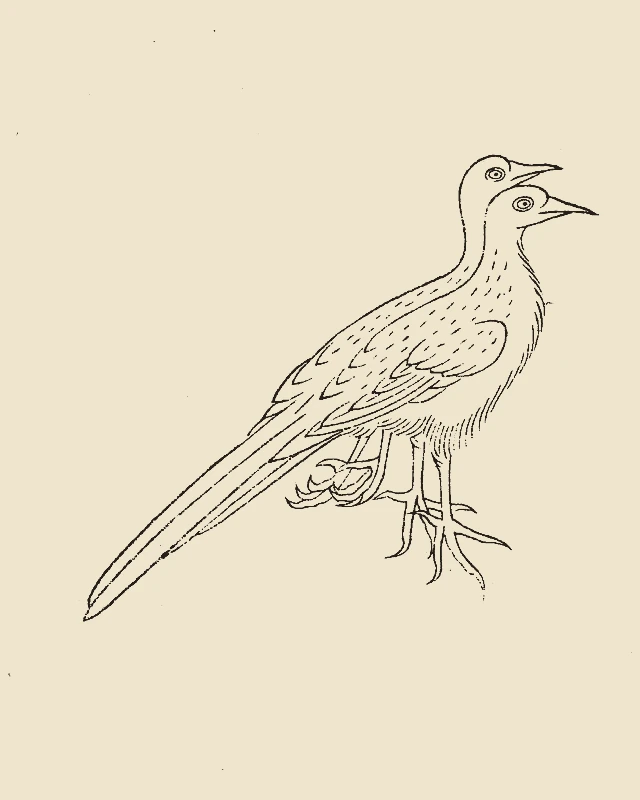
A self-fertile, five-colored pheasant-like bird of Mount Yang whose cry is its own name.阳山上的五彩雌雉形神禽,雌雄同体,鸣声自呼其名。

Body体态

Female pheasant体态宛若母野鸡

其狀如雌雉

Colour五彩

Five-coloured plumes羽毛布满斑斓花纹

五采以文

Nature化育

Hermaphroditic独身兼备双性

是自爲牝牡

Voice叫声

Calls own name呼鸣自报其名

其鳴自詨

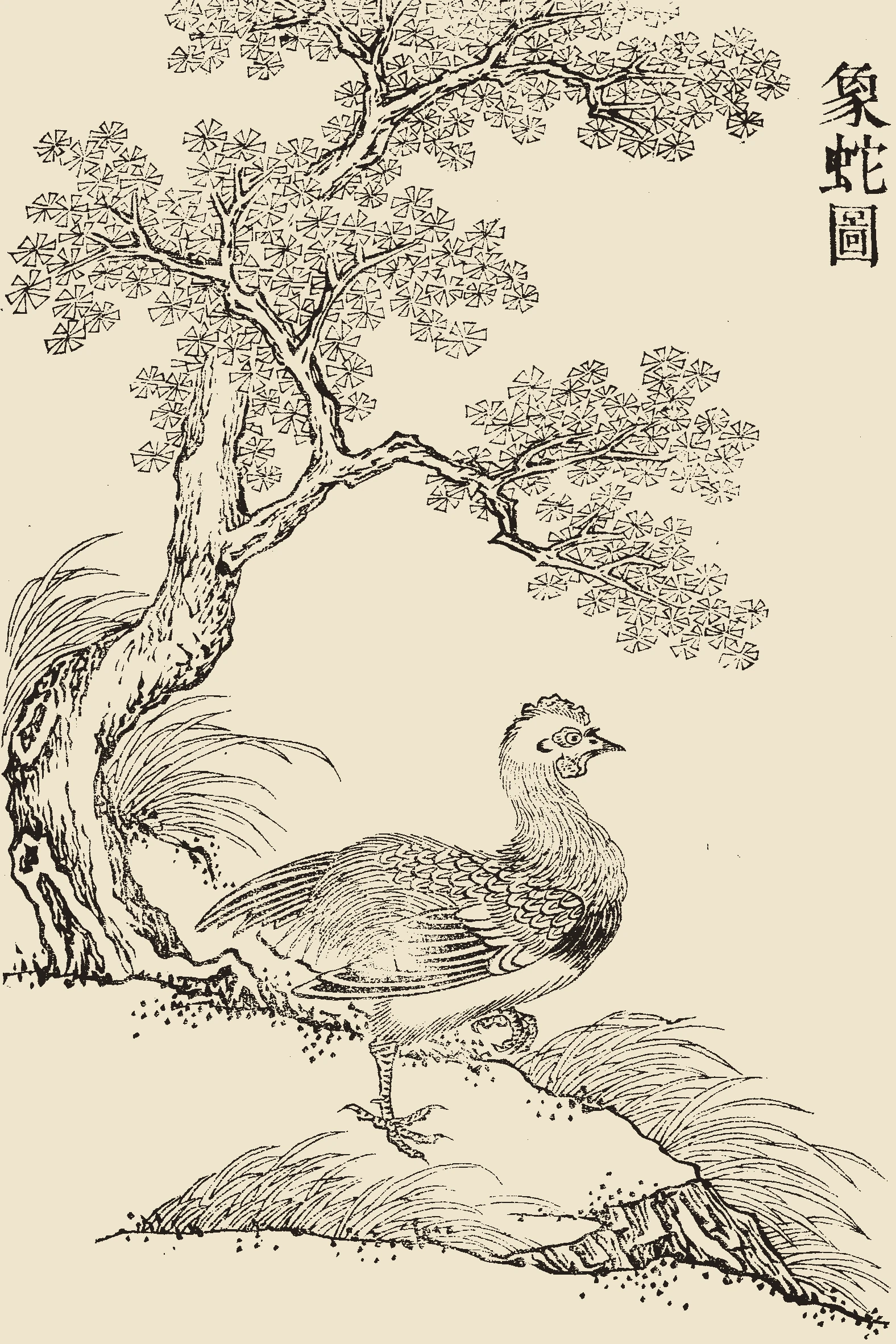
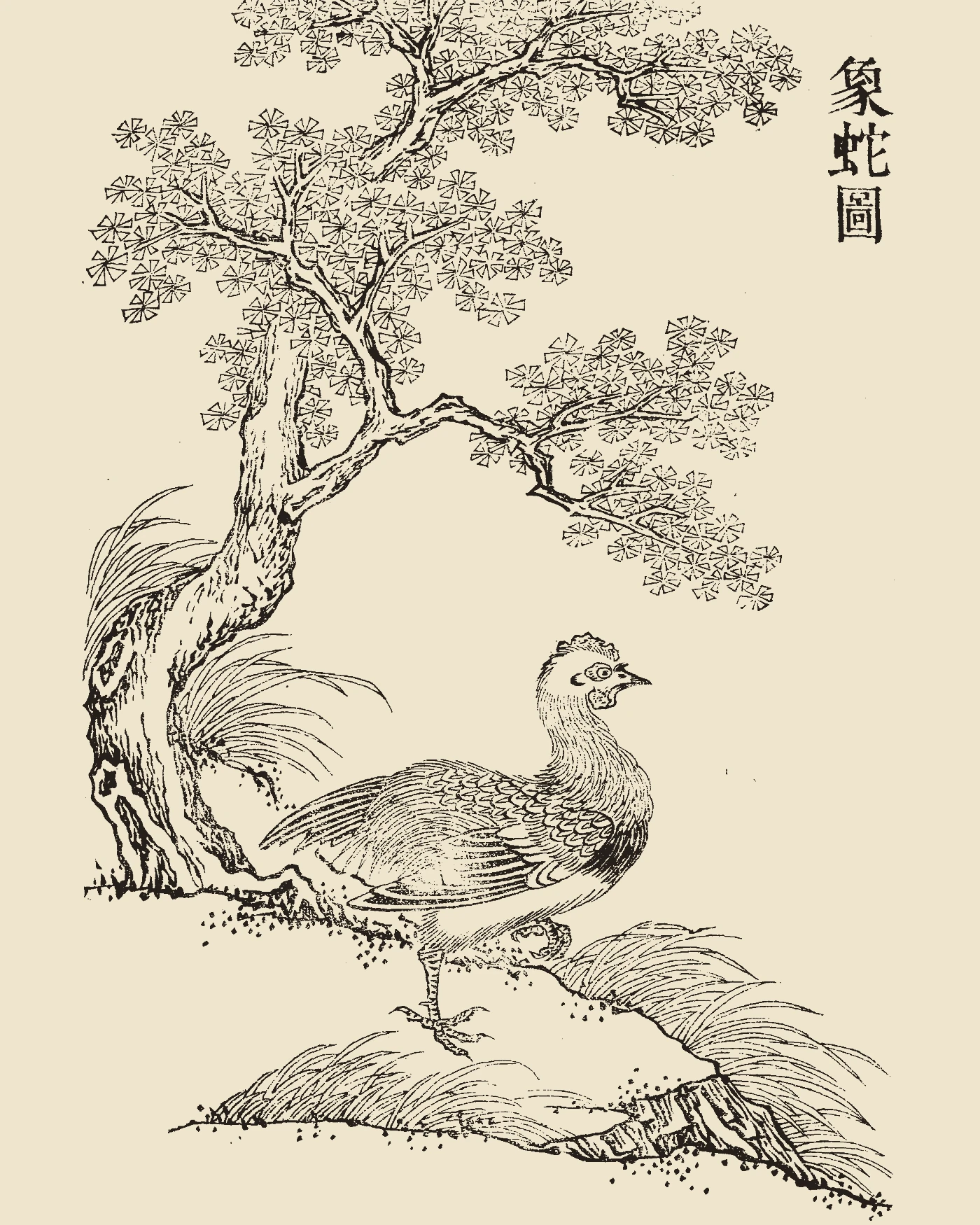
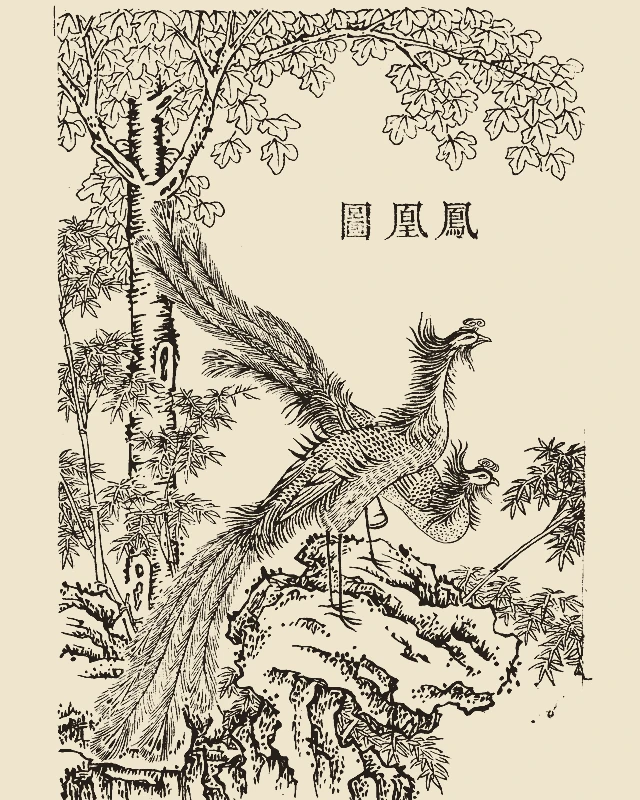
Woodblock print from the Gujin Tushu Jicheng: an elegant long-tailed pheasant stands on an ancient crag beneath gnarled trees, titled 'Xiangshe Tu'其狀如雌雉Pheasant body野鸡般的修长体态其狀如雌雉Pheasant body野鸡般的修长体态五采以文Variegated pattern五色斑斓的绚丽羽纹五采以文Variegated pattern五色斑斓的绚丽羽纹自為牝牡Hermaphroditic form阴阳同体的灵禽自為牝牡Hermaphroditic form阴阳同体的灵禽其鳴自詨Crying head昂首自鸣之状其鳴自詨Crying head昂首自鸣之状
留水出焉而南流注于河

The Liu River rises here and flows south into the River.

山海經·北山經
象蛇圖, Gujin Tushu Jicheng 古今圖書集成, Qin Chong Dian (Section on Birds and Animals), woodblock print, 1726清·陈梦雷等编《古今图书集成·禽虫典》“象蛇图”,雍正四年(1726)铜活字印本 · Public domain公有领域

Highlighted words: anatomy part · feature · form type — tap to jump标色词:形态部位 · 特征 · 形态类别,点击可跳转

The texts原文

Original Text & Translation原文与译文

山海經·北山經 · 山海經·北山經 · Wikisource

又東三百里,曰陽山,其上多玉,其下多金銅。有獸焉,其狀如牛而尾,其頸𦜜,其狀如句瞿,其名曰領胡,其鳴自詨,食之已狂。有鳥焉,其狀如雌雉,而五采以文,是自爲牝牡,名曰象蛇,其鳴自詨。留水出焉,而南流注于河。其中有䱤父之魚,其狀如鮒魚,魚首而彘身,食之已嘔。
Three hundred li further east is Mount Yang. On its heights is much jade, below are gold and copper. There is a bird here shaped like a female pheasant with five-coloured patterns, which is both male and female in one body, named Xiangshe. Its call sounds like its own name.

Comparing the Books典籍对比

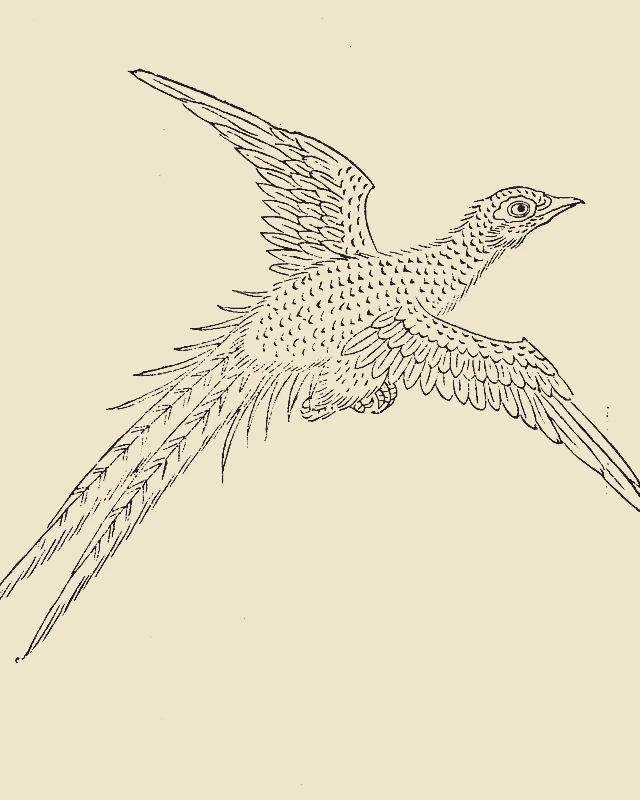
The text defines Xiangshe as a self-mating five-colored pheasant; the imperial woodcut illustrates a classical long-tailed fowl poised atop weathered stone.
The story来历与故事

Xiangshe (象蛇) is despite its reptilian-sounding name an exquisite avian wonder of Mount Yang. Shaped like a hen pheasant adorned with glorious five-colored plumage, it possesses the wondrous biological ability to reproduce without a mate.

The Five-Colored Bird of Mount Yang阳山之斑斓五彩鸟

Mount Yang, richly endowed with fine jade and ores, is home to this magnificent 阳山上多玉石与金铜,象蛇便繁衍于此。古人记其形状宛若野鸡中的母雉,却满披五彩祥纹

Mount Yang, richly endowed with fine jade and ores, is home to this magnificent bird. Classical natural history noted its striking similarity to a wild pheasant, but elevated by divine multicolored hues.

The text remarks that it 'is self-mating' (是自爲牝牡), reflecting early Chinese observations of hermaphroditic or parthenogenic phenomena in mythical taxonomy.

The Woodblock Illustration古今图书集成之图相

In the Qing Imperial Encyclopaedia plate titled 象蛇圖, the artist represents an elegant game bird perched gracefully atop crags, its plumes curling delicately.

The illustration prominently features the full character cartouche, preserving the historic name ascribed during the early Qing imperial compilations.

Record档案

Record Card档案卡

TypeBird (pheasant-like, self-fertile)
Also known asXiàngshé 象蛇; Hermaphrodite pheasant 自爲牝牡鳥
Earliest sourceShan Hai Jing · Classic of the Northern Mountains
NatureSelf-fertile (是自爲牝牡)
Earliest source山海經·北山經
Source books山海經·北山經
Image sourceChen Menglei 陳夢雷 (ed.) · Wikimedia Commons
LicensePublic domain

Frequently Asked Questions

Is Xiangshe a snake or a bird?

Despite its name containing 'she' (snake), the Shan Hai Jing clearly identifies it as a bird resembling a hen pheasant.

What is special about Xiangshe's biology?

It is described as self-mating (是自爲牝牡), embodying both male and female sexes in a single body.

What does Xiangshe cry?

The text states that its cry calls out its own name.