Lèi

類Lei

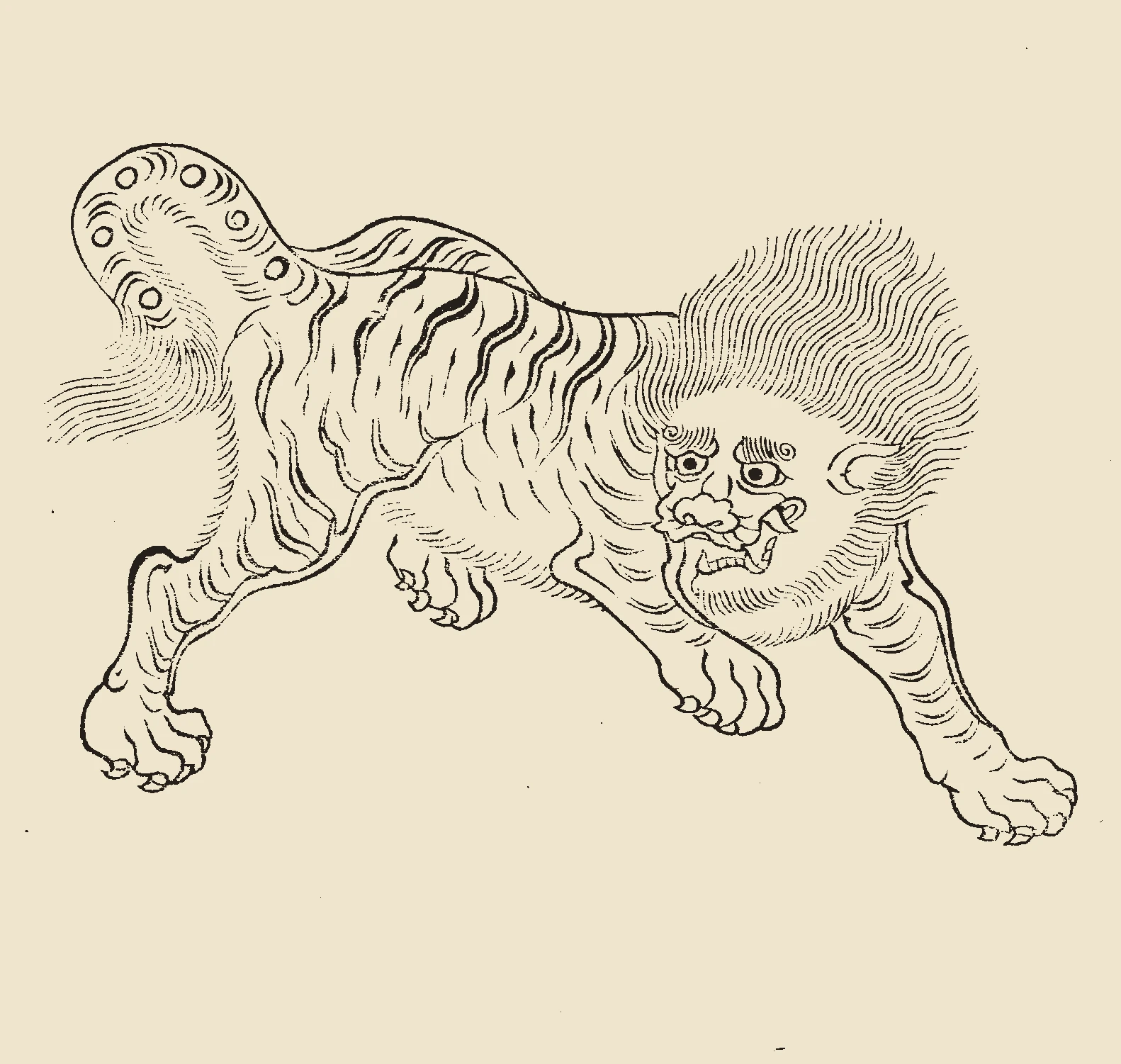
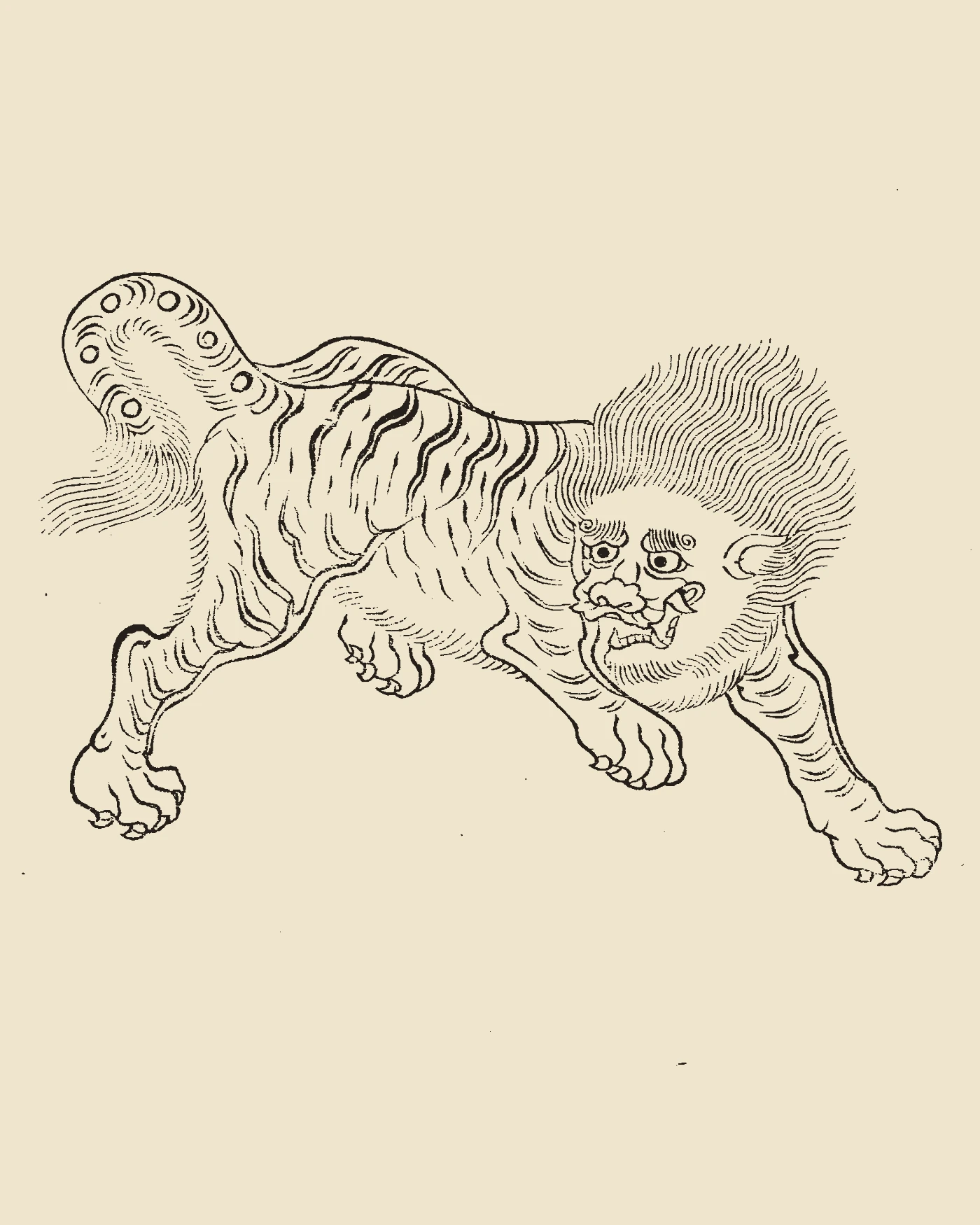
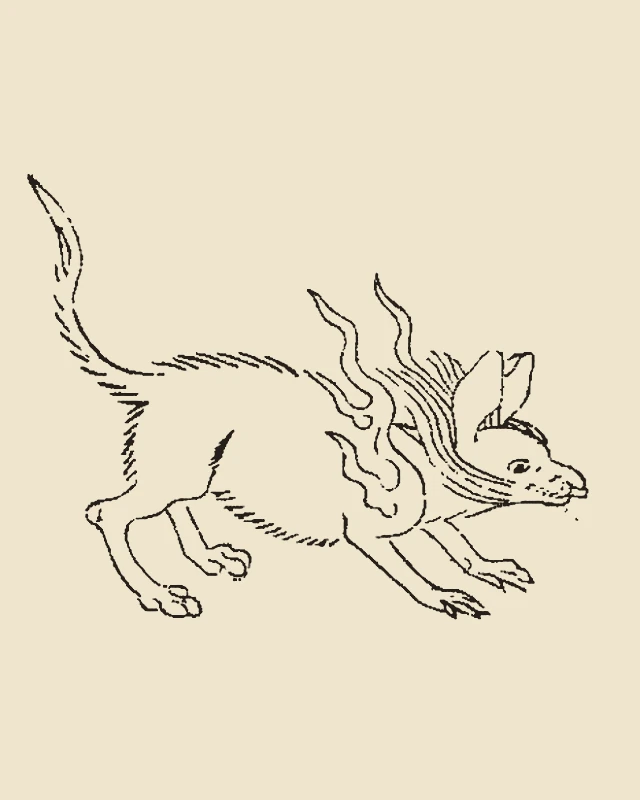
The maned feline beast of Mount Dan'yuan from the Shan Hai Jing: shaped like a wildcat with a mane, self-reproducing, eating it cures jealousy.《山海经》记载亶爰山异兽类:其状如狸而有髦,自为牝牡,食者不妒,能化解世间妒忌。

Body身形

Like a wildcat形体灵巧犹如灵狸

其狀如狸

Hair长鬃

Has mane项背披拂茸密长髦

有髦

Nature阴阳

Hermaphrodite阴阳兼备同体共生

自為牝牡

Power效用

Free from jealousy服之安和永无妒嫉

食者不妬

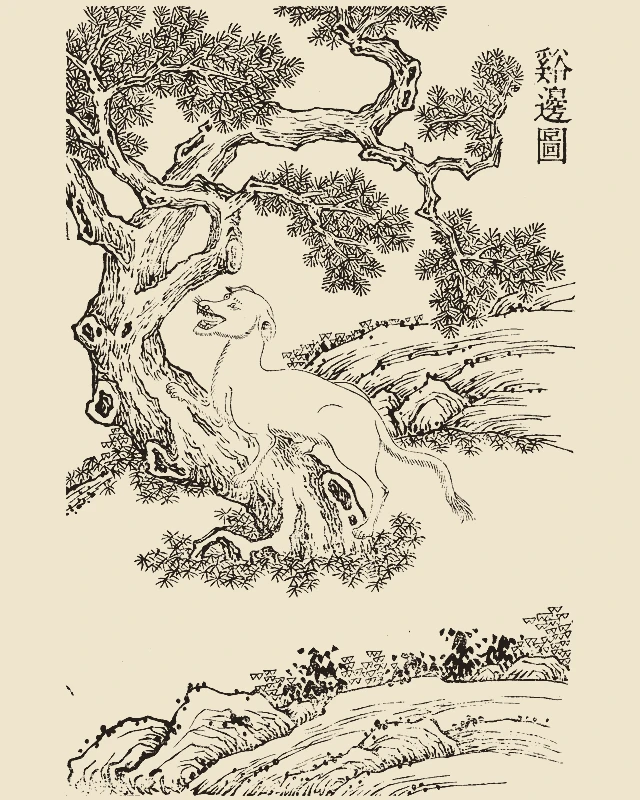
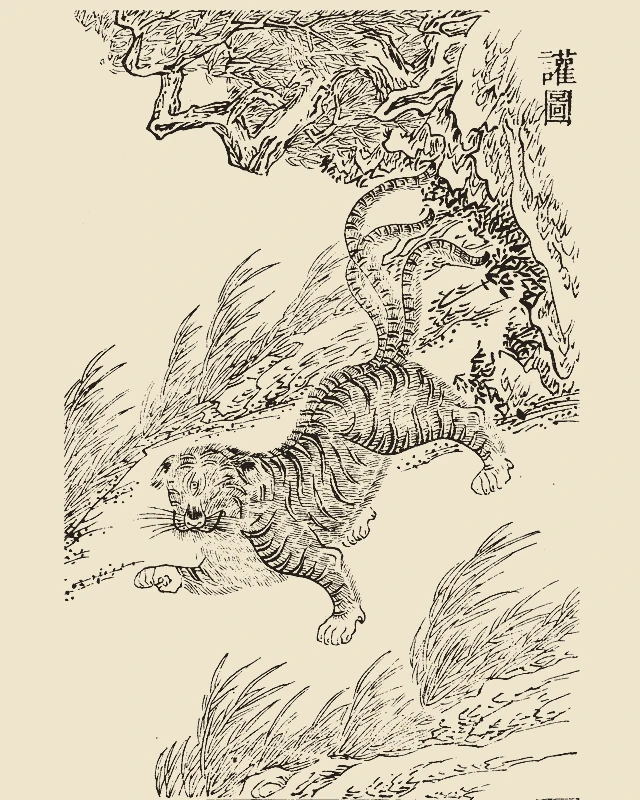
Woodblock print from Gujin Tushu Jicheng showing the maned wildcat beast Lei stepping over southern cliffs, inscribed 'Lei Tu'有髦Maned crest生有美髦有髦Maned crest生有美髦其狀如狸Feline torso灵秀狸躯其狀如狸Feline torso灵秀狸躯牝牡Self-balanced limbs自为牝牡牝牡Self-balanced limbs自为牝牡不妬Graceful paws食者不妒不妬Graceful paws食者不妒
有獸焉,其名曰類

There is a beast here; its name is Lei.

山海經·南山經
類圖, Gujin Tushu Jicheng 古今圖書集成, Qin Chong Dian (Section on Birds and Animals), woodblock print, 1726清·陈梦雷等编《古今图书集成·禽虫典》“類图”,雍正四年(1726)铜活字印本 · Public domain公有领域

Highlighted words: anatomy part · feature · form type — tap to jump标色词:形态部位 · 特征 · 形态类别,点击可跳转

The texts原文

Original Text & Translation原文与译文

山海經·南山經 · 山海經·南山經 · Wikisource

亶爰之山,多水,無草木,不可以上。有獸焉,其狀如狸而有髦,其名曰類,自為牝牡,食者不妬。
There is a beast here shaped like a wildcat with a mane, named Lei; it is self-reproducing as both male and female, and consuming it prevents jealousy.

山海經·南山經 · 山海經·南山經 · Wikisource

亶爰之山,多水,無草木,不可以上。有獸焉,其狀如狸而有髦,其名曰類,自為牝牡,食者不妬。
There is a beast here shaped like a wildcat with a mane, named Lei; it is self-reproducing as both male and female, and consuming it prevents jealousy.

Comparing the Books典籍对比

The Classic of the Southern Mountains records the Lei of Mount Dan'yuan: a self-reproducing maned feline whose meat was revered as the classical remedy for jealousy.
The story来历与故事

A serene, self-contained spirit of southern mountain sanctuaries: shaped like an agile wildcat with an elegant dorsal mane, uniting both male and female natures in a single harmonious body. Ancient sages treasured its flesh as the sovereign moral antidote against destructive envy and marital jealousy.

The Self-Sufficient Spirit of Mount Dan'yuan亶爰之山与自为牝牡

In the Classic of the Southern Mountains, the Shan Hai Jing describes Mount Dan'《山海经·南山经》记载,又东四百里曰亶爰之山,多水,无草木,不可以上。在这座凡人

In the Classic of the Southern Mountains, the Shan Hai Jing describes Mount Dan'yuan, a crag surrounded by surging torrents and so precipitous that no human can climb it. In this unpolluted sanctuary lives the Lei, an animal built like a wildcat, adorned with a delicate mane.

The creature displays a singular metaphysical biology: 'it is self-reproducing as male and female' ('zi wei pin mu'). Because its internal yin and yang are perfectly balanced, ancient physicians attributed to it a profound psychological effect: 'those who eat it are not jealous' ('shi zhe bu du'). In traditional society, jealousy was considered a corrosive moral poison; the Lei represented absolute self-sufficiency and emotional harmony.

Yin-Yang Equilibrium and the Curing of Envy阴阳合德与古代心性修养寄托

In subsequent classical commentaries by Guo Pu and Ming scholars, the Lei was ce晋代郭璞在为《山海经》作注时,盛赞其阴阳合体、不假外求的冲和之美。后世文人常借“

In subsequent classical commentaries by Guo Pu and Ming scholars, the Lei was celebrated as a living embodiment of the Daoist ideal: complete within itself, lacking nothing, and desiring nothing. Where ordinary creatures fought endlessly over mates, the Lei lived in unbroken internal peace.

In historical prints like those of the Gujin Tushu Jicheng, Lei is portrayed standing proudly upon high rocks, remembered as the gentle guardian of domestic trust and emotional peace.

Record档案

Record Card档案卡

TypeHarmonious Beast (hermaphroditic jealousy-dispelling feline)
Also known asJealousy-Dispelling Feline; Self-Sufficient Beast
Earliest sourceShan Hai Jing 山海經 (Classic of the Southern Mountains)
PowerConsuming its flesh cures envy, jealousy, and marital suspicion ('bu du')
BiologyUnites male and female natures in one body ('zi wei pin mu')
HabitatDwells upon steep, impassable Mount Dan'yuan surrounded by swirling torrents
Earliest source山海經·南山經
Source books山海經·南山經
Image sourceChen Menglei 陳夢雷 (ed.) · Wikimedia Commons
LicensePublic domain

Frequently Asked Questions

What is the Lei in Chinese mythology?

The Lei is a wildcat-like mythical beast from the Shan Hai Jing with a mane. It is hermaphroditic (self-reproducing), and eating its meat cures jealousy.

Where does the Lei dwell?

According to the Shan Hai Jing, the Lei lives on Mount Dan'yuan, an impassable mountain surrounded by deep water.

Why is the Lei connected to curing jealousy?

Because it unites both male and female natures in perfect balance ('zi wei pin mu'), ancient philosophy held that it cured emotional lack and envy.