Jīngjīng

精精Jingjing

An ox-shaped beast of Mount Muyu with a flowing horse’s tail.踇隅之山的牛形神兽:生有骏马之尾,鸣声自呼。

Body身形

Ox-shaped body牛状雄厚躯

其狀如牛

Tail尾部

Horse tail长如马之尾

馬尾

Voice鸣声

Calls own name发声自呼叫

其鳴自訆

Name名号

Named Jingjing古卷记精精

名曰精精

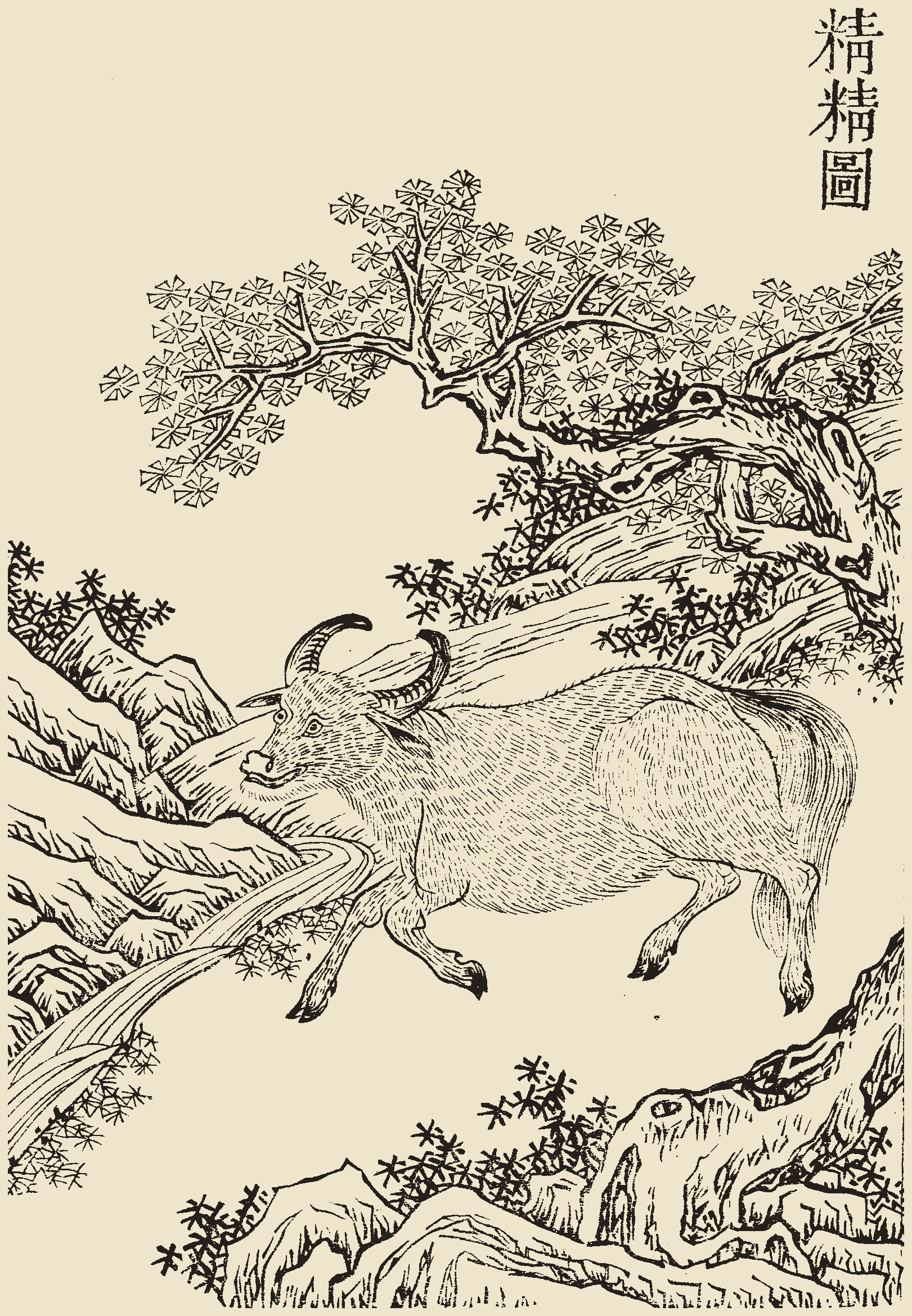
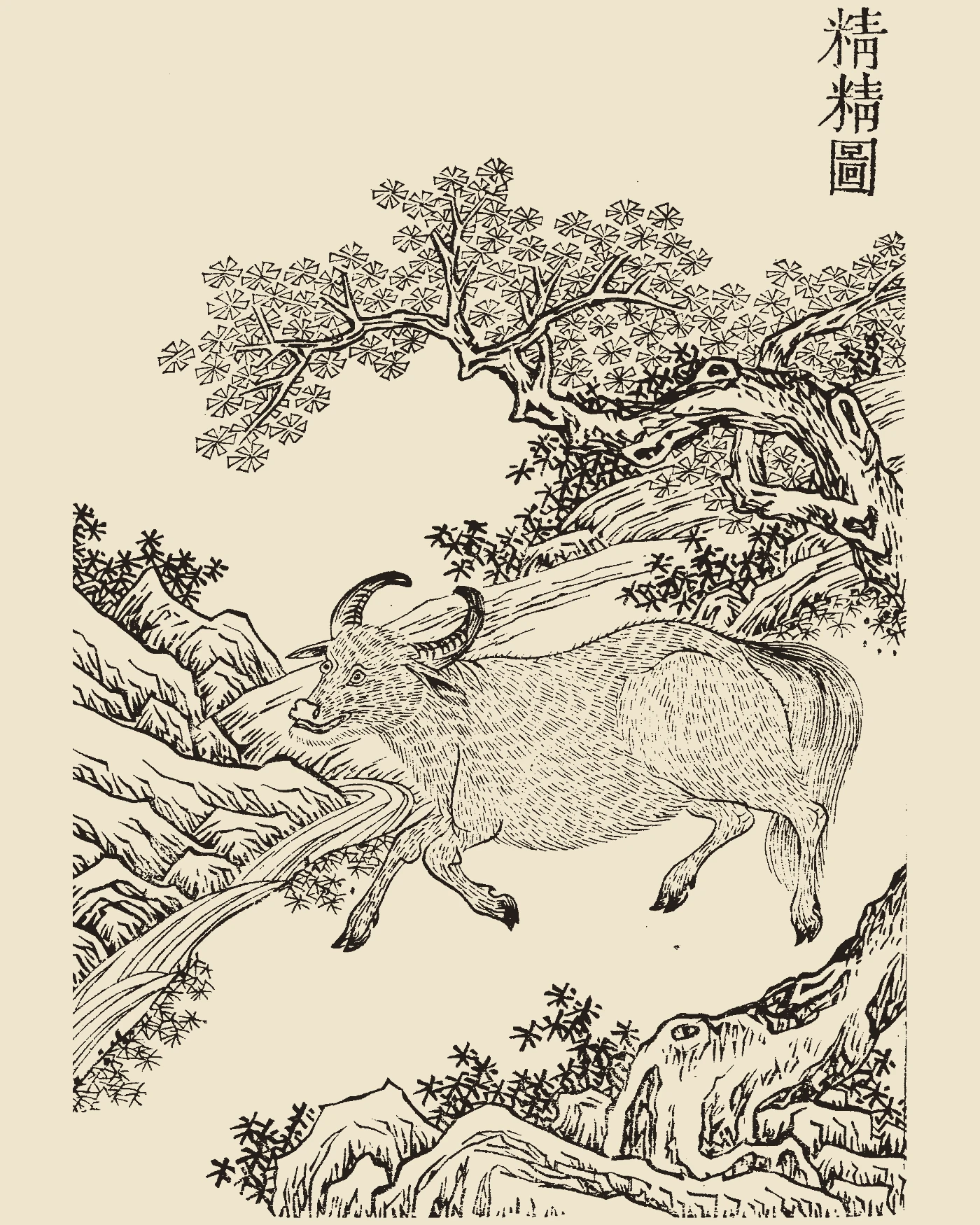
Print from the Gujin Tushu Jicheng: a muscular ox with an arched horse-like tail trots along a mountain stream, with the title 'Jingjing Tu' at upper right其狀如牛Muscular ox body雄壮牛躯其狀如牛Muscular ox body雄壮牛躯馬尾Flowing horse tail飘垂马尾馬尾Flowing horse tail飘垂马尾其狀如牛Curved horn弯月双角其狀如牛Curved horn弯月双角
踇隅之山多金玉多赭

Mount Muyu abounds in gold, jade, and ochre.

山海經·東山經
精精圖, Gujin Tushu Jicheng 古今圖書集成, Qin Chong Dian (Section on Birds and Animals), woodblock print, 1726清·陈梦雷等编《古今图书集成·禽虫典》“精精图”,雍正四年(1726)铜活字印本 · Public domain公有领域

Highlighted words: anatomy part · feature · form type — tap to jump标色词:形态部位 · 特征 · 形态类别,点击可跳转

The texts原文

Original Text & Translation原文与译文

山海經·東山經 · 山海經·東山經 · Wikisource

又南水行九百里,曰踇隅之山,其上多草木,多金玉,多赭。有獸焉,其狀如牛而馬尾,名曰精精,其鳴自訆。
There is a beast here shaped like an ox with a horse’s tail. Its name is Jingjing, and its cry calls out its own name.

山海經·東山經 · 山海經·東山經 · Wikisource

又南水行九百里,曰踇隅之山,其上多草木,多金玉,多赭。有獸焉,其狀如牛而馬尾,名曰精精,其鳴自訆。
There is a beast here shaped like an ox with a horse’s tail. Its name is Jingjing, and its cry calls out its own name.

Comparing the Books典籍对比

The Classic of the Eastern Mountains records the Jingjing as an ox with a horse tail; the Gujin Tushu Jicheng illustrates it trotting proudly along rocky banks.
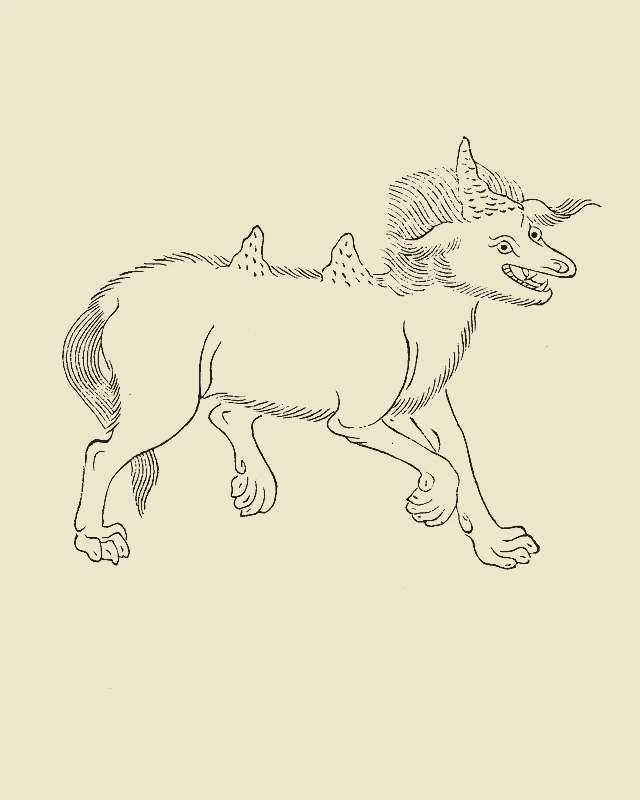
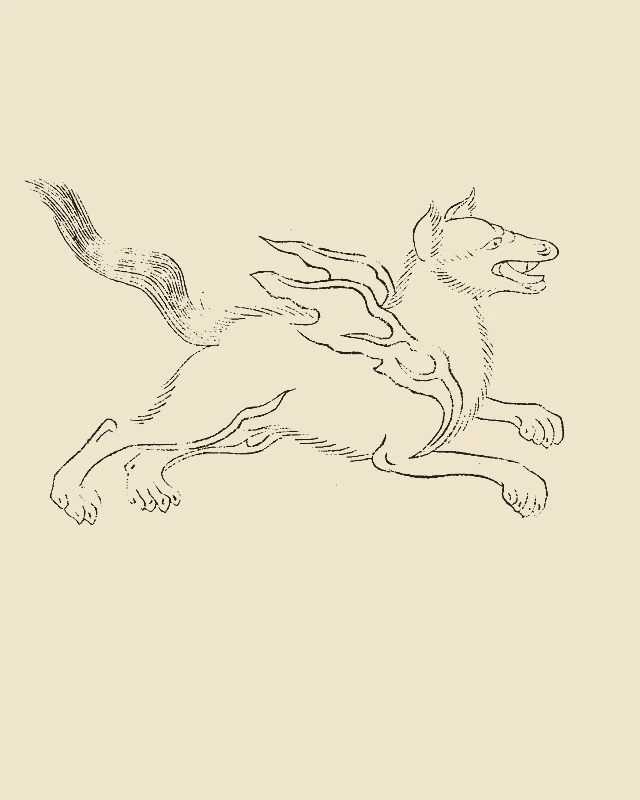
The story来历与故事

Jingjing (精精) is an ox-like beast of Mount Muyu with a horse’s tail. The Shan Hai Jing describes it as an ox that possesses a bushy equine tail and cries its own name.

The Horse-Tailed Ox of Mount Muyu踇隅之山的马尾神牛

In the Third Eastern Sequence, nine hundred li across waterways stands Mount Muy《东山经》东次三经记水行九百里至于踇隅之山,多草木金玉。山间繁育着名叫精精的灵兽

In the Third Eastern Sequence, nine hundred li across waterways stands Mount Muyu, lush with trees and rich in gold, jade, and red ochre. Living on its verdant heights is the Jingjing, a horned bovine distinguished by a long, sweeping horse’s tail.

The text highlights its resonant vocalisation echoing its own name through the river valleys.

The Plate in the Imperial Encyclopaedia《古今图书集成》里的精精图

The Gujin Tushu Jicheng print titled 精精圖 displays a stout bull with ribbed horns trotting across a stony ledge by a gushing spring, its long horse-like tail trailing behind. The title is at the upper right.

又南水行九百里,曰踇隅之山,其上多草木,多金玉,多赭。有獸焉,其狀如牛而馬尾,名曰精精,其鳴自訆。

There is a beast here shaped like an ox with a horse’s tail. Its name is Jingjing, and its cry calls out its own name.

— 山海經·東山經 · 山海經·東山經

The woodcut faithfully contrasts the bovine front with the flowing equine tail.

Record档案

Record Card档案卡

TypeBeast (ox-shaped, horse tail)
Also known asJīngjīng 精精
Earliest sourceShan Hai Jing 山海經, Classic of the Eastern Mountains (Third Eastern Sequence)
HabitatMount Muyu
Earliest source山海經·東山經
Source books山海經·東山經
Image sourceChen Menglei 陳夢雷 (ed.) · Wikimedia Commons
LicensePublic domain

Frequently Asked Questions

What is the Jingjing in Chinese myth?

The Jingjing is an ox-like beast with a horse’s tail from the Shan Hai Jing that cries its own name.

Where does the Jingjing live?

It lives on Mount Muyu, situated in the Third Eastern Sequence.

What makes it different from normal oxen?

Unlike ordinary cattle with tufted tails, the Jingjing has a long flowing horse tail (馬尾).