Lùshǔ

鹿蜀Lushu

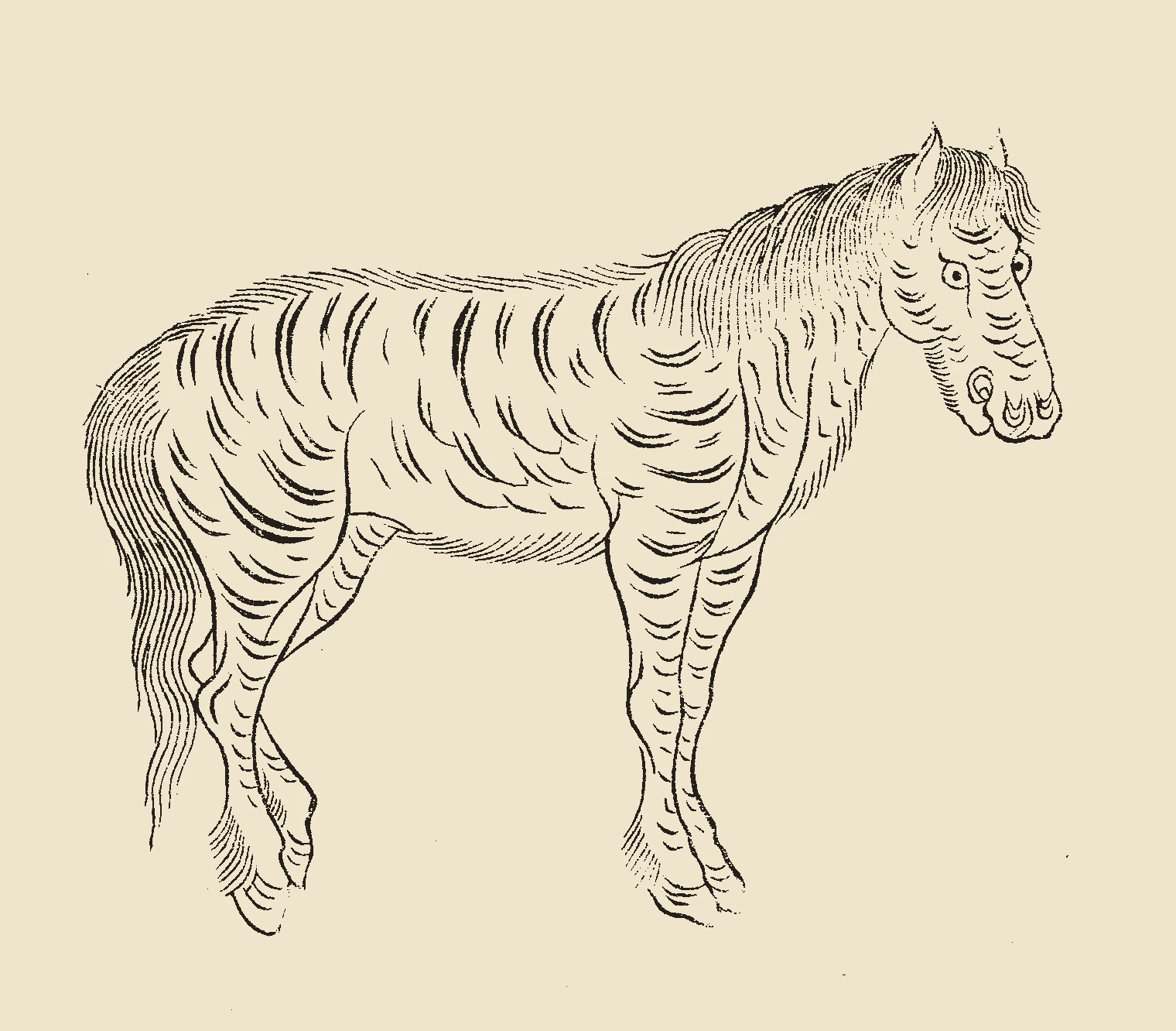
The horse-like beast of Mount Niuyang from the Shan Hai Jing: bearing a white head, tiger stripes, a red tail, and a melodious cry like singing.《山海经》记载杻阳之山异兽鹿蜀:形貌如马而白首,通体虎纹而生赤尾,其音如谣,佩之宜子孙。

Head首部

White head白色头颅

白首

Coat花纹

Tiger stripes虎斑花纹

其文如虎

Tail尾部

Red tail赤红尾巴

赤尾

Voice鸣声

Sounds like singing鸣叫如谣

其音如謠

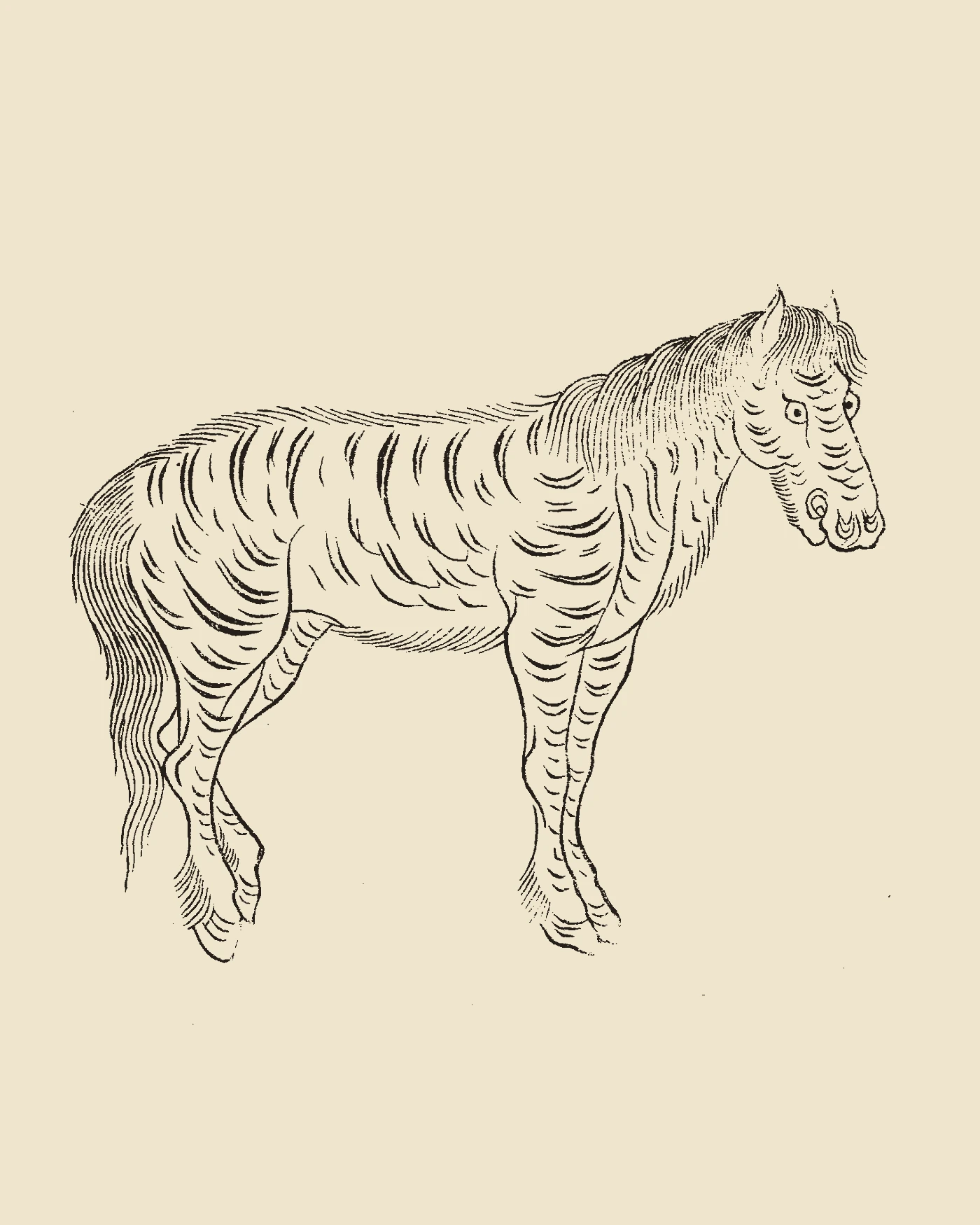
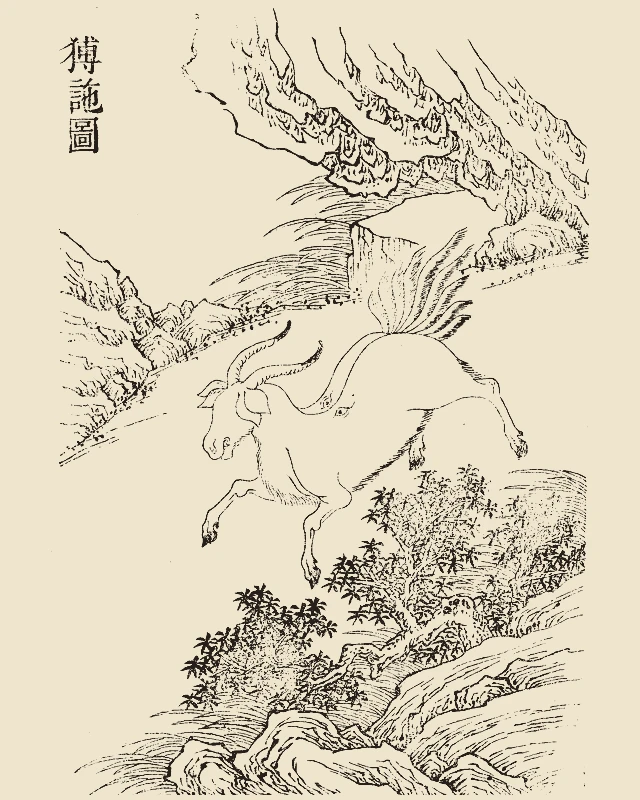
Woodblock print from Gujin Tushu Jicheng showing Lushu, a horse-like beast with tiger stripes, a white head, and a long tail白首White head白色头颅白首White head白色头颅其文如虎Tiger stripes斑斓虎纹其文如虎Tiger stripes斑斓虎纹赤尾Red tail赤红尾部赤尾Red tail赤红尾部其狀如馬Equine hooves如马足蹄其狀如馬Equine hooves如马足蹄
有獸焉,其名曰鹿蜀

There is a beast here; its name is Lushu.

山海經·南山經
Lushu Tu 鹿蜀圖, the horse-like striped beast with a white head. Gujin Tushu Jicheng 古今圖書集成, Animal Kingdom, juan 234, woodblock print, 1726清·陈梦雷等编《古今图书集成·禽虫典》卷二百三十四“鹿蜀图”,雍正四年(1726)铜活字印本 · Public domain公有领域

Highlighted words: anatomy part · feature · form type — tap to jump标色词:形态部位 · 特征 · 形态类别,点击可跳转

The texts原文

Original Text & Translation原文与译文

山海經·南山經 · Shan Hai Jing · Wikisource

有獸焉,其狀如馬而白首,其文如虎而赤尾,其音如謠,其名曰鹿蜀,佩之宜子孫。
There is a beast here whose form resembles a horse with a white head, patterns like a tiger, and a red tail. Its sound is like singing. Its name is Lushu; wearing it brings good fortune to one's descendants.

Comparing the Books典籍对比

The Shan Hai Jing provides a concise classical record of Lushu as an equine creature of Mount Niuyang with tiger stripes and a melodic cry, worn for the blessing of descendants.
The story来历与故事

The horse-like beast of Mount Niuyang in the Shan Hai Jing: bearing a white head, tiger stripes, and a singing voice, its pelt brings prosperity to descendants.

The White-Headed Horse of Mount Niuyang杻阳异兽:白首鹿蜀

Lushu is an equine creature dwelling upon Mount Niuyang in the Southern Mountains.《南山经》记载鹿蜀栖息于盛产金银的杻阳之山。

In the Classic of the Southern Mountains, Lushu dwells upon Mount Niuyang, the easternmost peak of the South Mountains.

Mount Niuyang is rich in gold on its southern sunny slope and abounds with white silver on its shaded northern face.

Stripes, Melodic Cry, and Talismanic Fortune虎纹如谣:佩宜子孙

It has tiger stripes, sings like a folk chant, and its pelt blesses descendants.经文记其状如马而白首,其文如虎而赤尾,其音如谣,佩之宜子孙。

The classical text describes Lushu as resembling a horse with a white head, patterned with tiger stripes and bearing a red tail.

Its cry sounds like human singing or folk chanting, and ancient people wore its pelt or parts to bless their descendants.

The Gujin Tushu Jicheng Woodblock Print清代图谱:白首鹿蜀

Woodblock prints depict it as a striped horse poised on mountain slopes.《古今图书集成》画其为一匹虎纹白首、昂然回望的骏马。

The 1726 imperial encyclopedia Gujin Tushu Jicheng portrays Lushu as a spirited horse-like beast with distinct body stripes and an alert white head, inscribed Lushu Tu in the upper right cartouche.

The woodblock illustration depicts its long flowing tail and equine hooves standing poised amidst rocky terrain.

Record档案

Record Card档案卡

TypeAuspicious Beast (white-headed horse-like beast with tiger stripes)
Also known asLùshǔ 鹿蜀
HabitatMount Niuyang (杻陽之山) in the Southern Mountains
EffectBrings prosperity to descendants (佩之宜子孫)
Earliest source山海經·南山經
Source books山海經·南山經
Image sourceChen Menglei 陳夢雷 (ed.) · Wikimedia Commons
LicensePublic domain

Frequently Asked Questions

What does Lushu look like in the Shan Hai Jing?

The Shan Hai Jing describes it as a horse-like beast with a white head, tiger stripes, and a red tail.

What does the voice of Lushu sound like?

The text notes that its voice sounds like singing or rhythmic chanting ('its sound is like singing').

What blessing is associated with Lushu?

Ancient tradition states that wearing it brings abundance and prosperity to one's children and descendants.