Zōuyú

騶虞Zouyu, the Beast of Benevolence

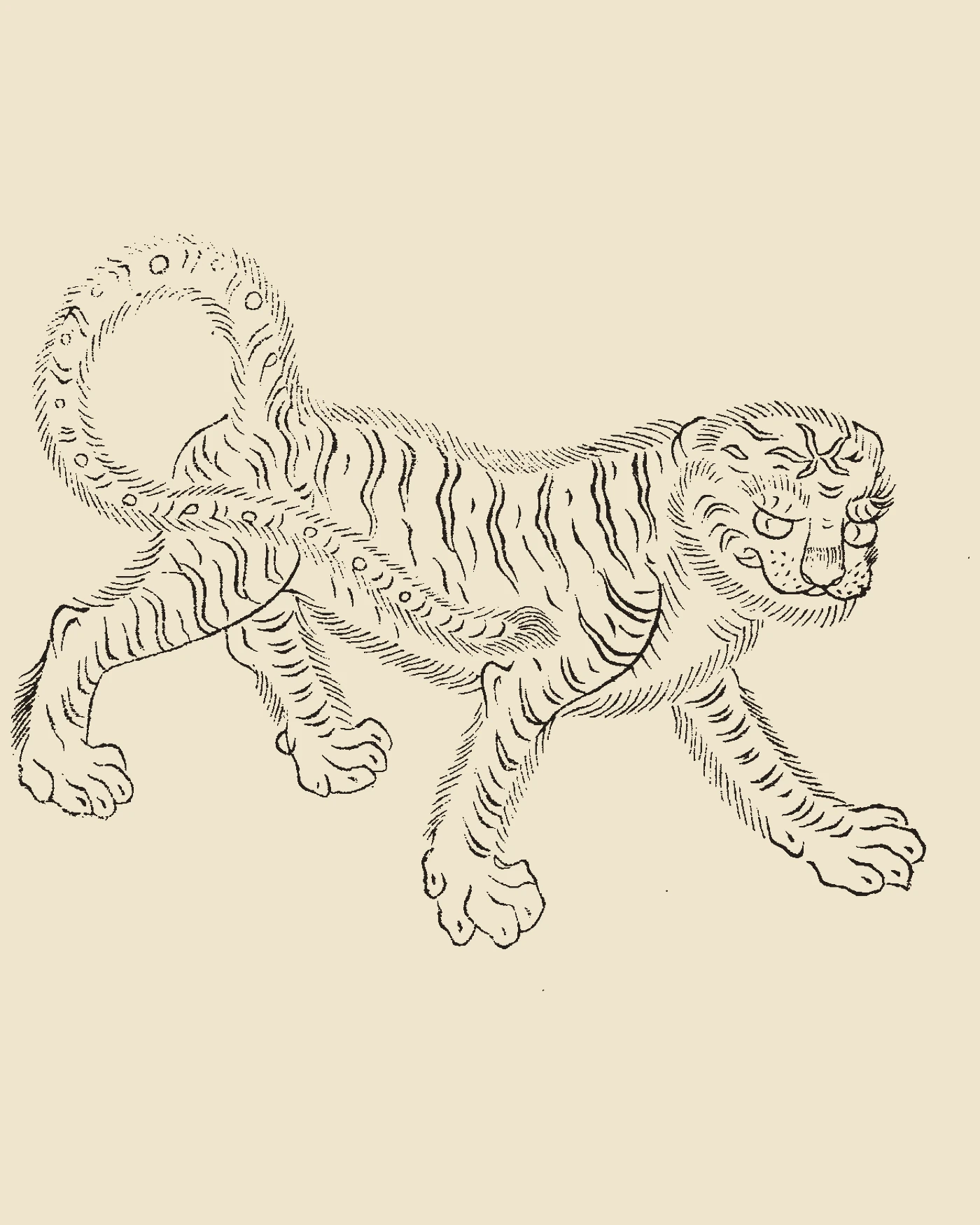
A five-coloured benevolent tiger that does not tread on live grass and travels a thousand li a day.騶虞身躯如雄虎伟岸,皮毛织就青黄赤白黑五色斑斓,身后修长神尾轻柔曳地,步态雍容踏草不伤。

Body身形

Large as a tiger体魄壮硕胜凶兽

大若虎

Colour毛色

Five colors complete毛被斑斓五彩纹

五采畢具

Tail长尾

Tail longer than body垂梢超逾本体长

尾長于身

Travel日行

Travels 1,000 li a day骑乘奔驰极迅速

乘之日行千里

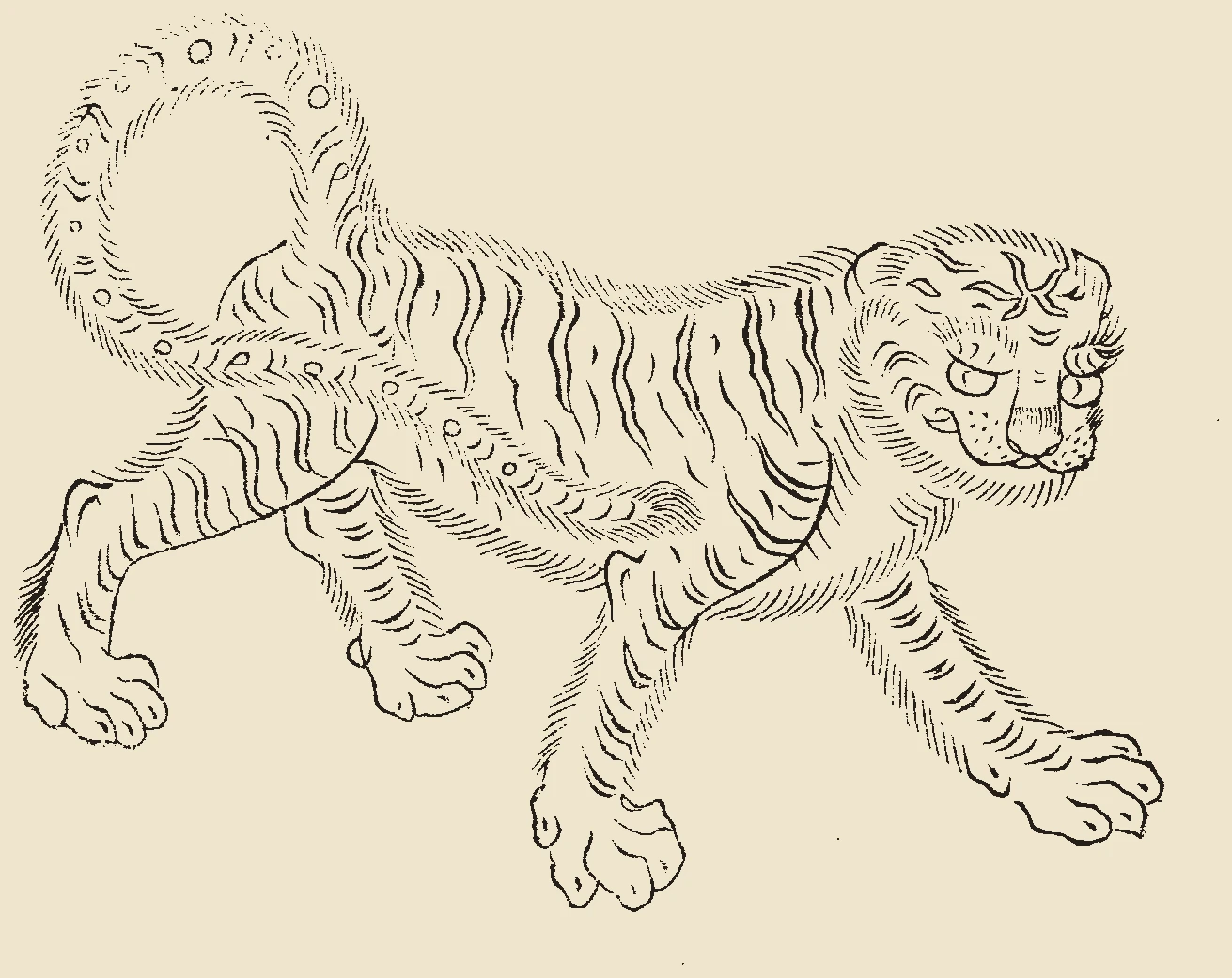
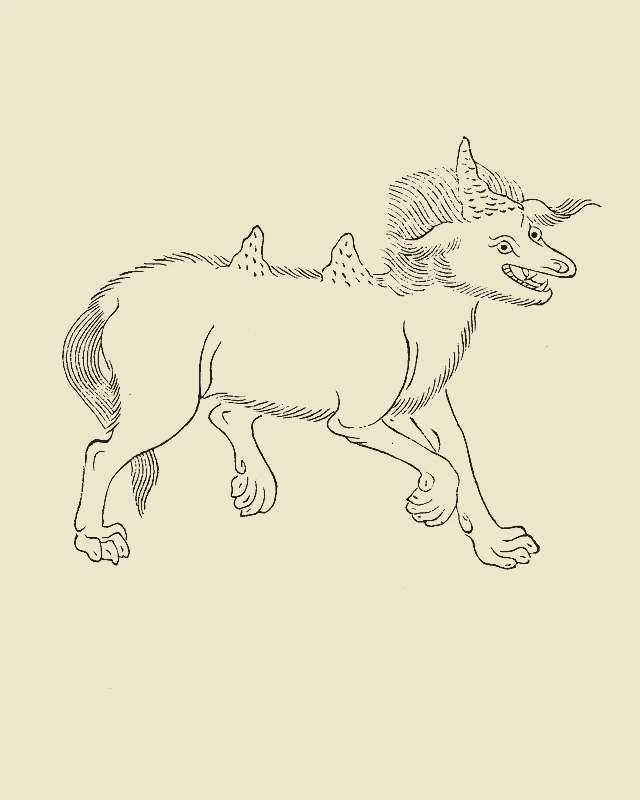
《古今图书集成》版画:騶虞仁厚额颅Benevolent brow首如巨虎但目含慈光,神情祥和尊严。仁厚额颅Benevolent brow首如巨虎但目含慈光,神情祥和尊严。超长神尾Tail longer than body尾毛丰润轻柔,长度超越周身骨躯。超长神尾Tail longer than body尾毛丰润轻柔,长度超越周身骨躯。五彩脊梁Five-coloured back虎背斑斓兼备五色,肌肉饱满流光溢彩。五彩脊梁Five-coloured back虎背斑斓兼备五色,肌肉饱满流光溢彩。不伤草掌Soft grass-sparing paws足掌肉垫敦厚柔软,着地轻盈不伤青草。不伤草掌Soft grass-sparing paws足掌肉垫敦厚柔软,着地轻盈不伤青草。
海內西北陬以東者。幽都之山,黑水出焉,其上有玄鳥、玄蛇、玄豹、玄虎、玄狐蓬尾。

A five-coloured benevolent tiger that does not tread on live grass and travels a thousand li a day.

山海經·海內東經
騶虞圖, Gujin Tushu Jicheng 古今圖書集成, Qin Chong Dian (Section on Birds and Animals), woodblock print, 1726清·陈梦雷等编《古今图书集成·禽虫典》“騶虞图”,雍正四年(1726)铜活字印本 · Public domain公有领域

Highlighted words: anatomy part · feature · form type — tap to jump标色词:形态部位 · 特征 · 形态类别,点击可跳转

The texts原文

Original Text & Translation原文与译文

山海經·海內北經 · Shan Hai Jing · Classic of Regions Within the Northern Sea · Wikisource

有珍獸,大若虎,五采畢具,尾長于身,名曰騶吾,乘之日行千里。
There is a precious beast, as large as a tiger, displaying all five colours complete across its coat, with a tail longer than its body. Its name is Zouwu (Zouyu). Riding upon it allows one to travel a thousand li in a single day.
Show all sources (3)展开全部出处(3)

詩經·召南·騶虞 · Classic of Poetry: Zouyu《詩經·召南·騶虞》 · Wikisource

仁如騶虞,則王道成也。
When a ruler's benevolence matches that of the Zouyu, the Kingly Way is accomplished.
The Mao commentary to the Classic of Poetry extols the Zouyu as the paramount model of kingly benevolence.

Comparing the Books典籍对比

Unlike predatory man-eating tigers, Zouyu is the foremost benevolent beast of Chinese antiquity: it does not step on living blades of grass, feeds only on naturally deceased animals, and manifests during times of supreme virtue.

While the Shan Hai Jing records Zouyu as a tiger-sized beast with five-colored patterns and a tail longer than its torso that refuses to tread living grass, Confucian exegesis in the Shijing elevates it into a sacred emblem of supreme nonviolent virtue that eats only carrion.
The story来历与故事

A five-coloured benevolent tiger that does not tread on live grass and travels a thousand li a day.

Origins & Classical Lore古籍记述与神异源流

From the Youdu mountains in the north, Zouyu is a tiger-sized creature of supreme virtue and fivefold colors.产自北方幽都的仁兽騶虞大若猛虎、体备五彩,步履轻盈不践生草,日行千里。

Origins in antiquity

Physical features

Geographic territory

Abilities and habits

仁如騶虞,則王道成也。

When a ruler's benevolence matches that of the Zouyu, the Kingly Way is accomplished.

— 詩經·召南·騶虞 · Classic of Poetry: Zouyu《詩經·召南·騶虞》

Depiction & Cultural Legacy《古今图书集成》画意与文化流传

Historical reception

有珍獸,大若虎,五采畢具,尾長于身,名曰騶吾,乘之日行千里。

There is a precious beast, as large as a tiger, displaying all five colours complete across its coat, with a tail longer than its body. Its name is Zouwu (Zouyu). Riding upon it allows one to travel a thousand li in a single day.

— 山海經·海內北經 · Shan Hai Jing · Classic of Regions Within the Northern Sea

Contemporary resonance

During the Ming dynasty under the Yongle and Xuande reigns, purported sightings and tributary presentations of Zouyu were celebrated with state banquets, court paintings, and panegyrics proclaiming heaven's blessing on the dynasty.

Record档案

Record Card档案卡

Archive Radar档案六维雷达

Six classical dimensions grounded strictly in historical texts六维考据评定 · 恪遵古籍严谨归纳

Scale C体量 中Swiftness A迅疾 极Supernatural C神异 中Peril E凶险 无Auspiciousness A祥瑞 极Office E职司 无
Archive Radar Breakdown & Classical Evidence六维雷达考据明细与古籍依据
Axis维度Grade评级Classical Evidence古籍考据依据
Scale体量C (Moderate)中 (C)Tiger-sized body with tail longer than torso ('大若虎,五采毕具,尾长于身').大若虎,五采毕具,尾长于身。
Swiftness迅疾A (Peak)极 (A)Covers a thousand li in a single day ('日行千里').《毛诗传》称其日行千里,神速绝伦。
Supernatural神异C (Moderate)中 (C)Extremely benevolent beast that eats only fallen beasts and spares living blades of grass ('不践生草,食自死之肉').性纯仁,不践生草,食自死之肉。
Peril凶险E (None)无 (E)Completely harmless to humans and living things ('仁兽也,不害物').仁兽无害,不害物,无伤人之凶。
Auspiciousness祥瑞A (Peak)极 (A)Supreme sovereign omen of kingly virtue and universal benevolence ('仁兽也...至德之君则见').王者至仁之化则见,古今推为大祥。
Office职司E (None)无 (E)Roaming spirit of the wilds with no assigned mythological duty ('居林木荒泽,无守司职任').游行山泽,无天界神职或守护司分。
TypeAuspicious beast (tiger-sized, five-colored, gentle mount)
Also known asZouwu (騶吾), Beast of Righteous Benevolence (仁獸), Five-Coloured Tiger (五采虎)
HabitatMount Youdu and the northern wilderness beyond the inland sea
PowerEmbodies supreme virtue and peace; traveling on it allows one to cover a thousand li in a single day
UseAuspicious sovereign mount (only ridden by righteous monarchs who harm no living creature)
Earliest source山海經·海內北經
Source books山海經·海內北經
Image sourceChen Menglei 陳夢雷 (ed.) · Wikimedia Commons
LicensePublic domain

Frequently Asked Questions

《山海经》的“驺吾”与诗经的“驺虞”是同一物吗?

完全相同。“吾”与“虞”在古音中声韵相通,古籍互相通用。汉唐学者如郭璞、孔颖达均明确考订“驺吾即驺虞也”,同为日行千里、不践生草的仁兽。

騶虞“尾长于身”在现实中有何对应物种?

现代动物学者与文化考据家推测,騶虞的长尾与斑纹特征可能源自先民对雪豹(尾长接近身长、毛色斑斓高雅)或云豹的神话提炼与崇高伦理赋形。

为何古籍称其“不食生物”?

“不食生物”体现了儒家与先秦民本思想对万物好生之德的追求。仁德之兽即便拥有猛虎般爪牙,亦不主动杀伐,彰显了克制与至高慈悯。

See also另见

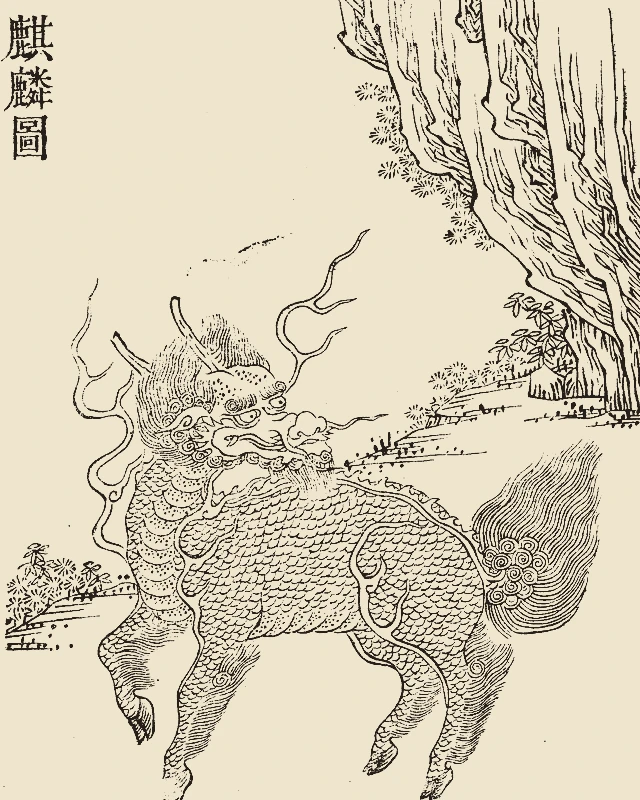
  • Qilin — Both Zouyu and Qilin are supreme benevolent beasts (仁兽) that harm no living creature and symbolize righteous rule.驺虞与麒麟同列华夏两大仁兽圣品,行步不蹈生草生虫,见则天下蒙受德化。
  • Baize — Both are auspicious beasts appearing exclusively when rulers govern in harmony with the cosmos.驺虞与白泽同为王者有德则现的神灵瑞兽,承载着先民对圣王善政的殷切期许。