Róngxuānwángshī

戎宣王尸Corpse of King Rongxuan

A mysterious headless red equine spirit of Mount Rongfu in the northern wilderness.大荒融父山上的无首赤红马形异兽,名载先秦帝胄传奇。

Body马状

Horse frame体态宛若高大骏马

馬狀

Head断首

Headless neck颈部上方浑然无首

無首

Colour赤色

Crimson colour全身皮毛深红似火

赤獸

Name尸灵

Divine corpse尊为戎宣王灵异体

名曰戎宣王尸

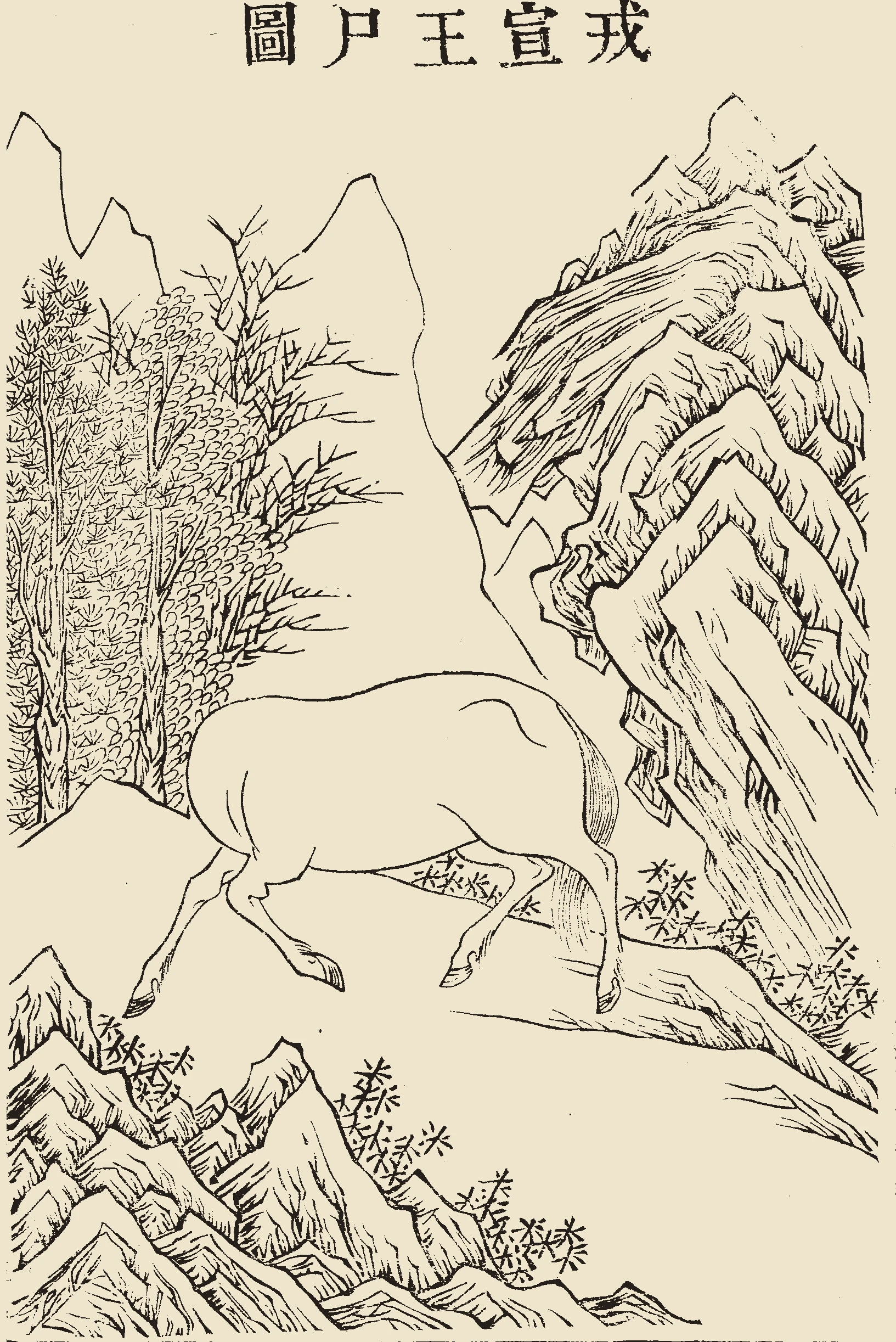
Woodblock print from the Gujin Tushu Jicheng: a headless red horse-like beast stands peacefully upon a mountain ledge, titled 'Rongxuanwangshi Tu'無首Headless neck截然浑整的无首颈端無首Headless neck截然浑整的无首颈端馬狀Horse-like body矫健挺拔的赤红马躯馬狀Horse-like body矫健挺拔的赤红马躯赤獸Crimson hide火红如焰的周身皮毛赤獸Crimson hide火红如焰的周身皮毛蹄足Equine hooves傲立山岩的骏马长足蹄足Equine hooves傲立山岩的骏马长足
大荒之中有山名曰融父山順水入焉

In the Great Wilderness is Mount Rongfu, where waters flow in.

山海經·大荒北經
戎宣王尸圖, Gujin Tushu Jicheng 古今圖書集成, Qin Chong Dian (Section on Birds and Animals), woodblock print, 1726清·陈梦雷等编《古今图书集成·禽虫典》“戎宣王尸图”,雍正四年(1726)铜活字印本 · Public domain公有领域

Highlighted words: anatomy part · feature · form type — tap to jump标色词:形态部位 · 特征 · 形态类别,点击可跳转

The texts原文

Original Text & Translation原文与译文

山海經·大荒北經 · 山海經·大荒北經 · Wikisource

大荒之中,有山名曰融父山,順水入焉。有人名曰犬戎。黄帝生苗龍,苗龍生融吾,融吾生弄明,弄明生白犬,白犬有牝牡,是為犬戎,肉食。有赤獸,馬狀,無首,名曰戎宣王尸。
In the Great Wilderness is Mount Rongfu, where the Shun River enters. There are people called the Quanrong. The Yellow Emperor begot Miaolong, Miaolong begot Rongwu, Rongwu begot Nongming, Nongming begot the White Dog, and the White Dog had male and female, who became the Quanrong, who eat meat. There is a red beast here, shaped like a horse, without a head, named the Corpse of King Rongxuan.

Comparing the Books典籍对比

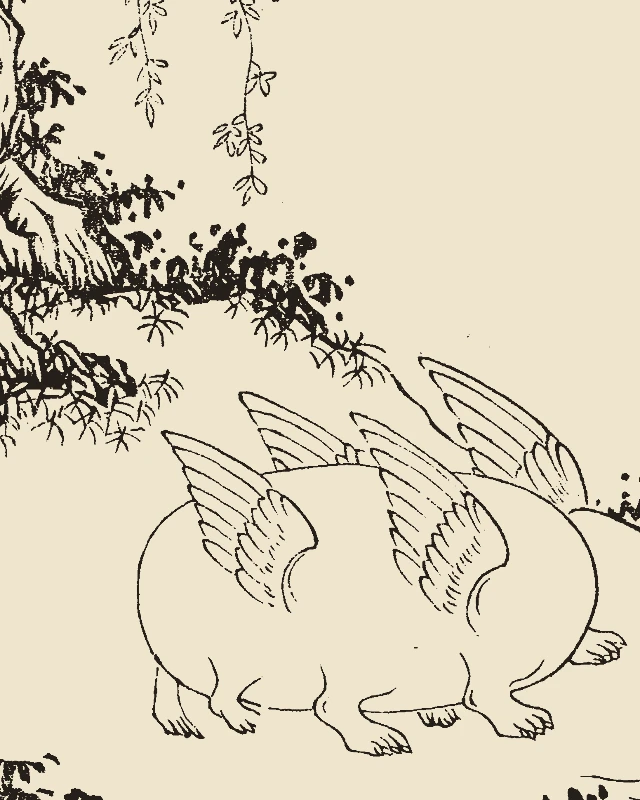
The Great Wilderness text notes its red horse-like form without a head; the 1726 plate accurately depicts an equine body with a clean, headless neckline.
The story来历与故事

The Corpse of King Rongxuan (戎宣王尸) is one of the most enigmatic mythological entities in the Classic of the Great Wilderness: North. Recorded alongside the genealogy of the Yellow Emperor and the origin of the Quanrong nation, it manifests as a headless, muscular beast with the scarlet-coated body of a stallion.

The Headless Spirit of Mount Rongfu融父之山与无首神兽

Mount Rongfu stands deep within the Northern Wilderness where the Shun River flo融父山地处北方大荒极远之处,顺水由此汇入。经文在此庄严追溯了黄帝繁衍犬戎之族的帝

Mount Rongfu stands deep within the Northern Wilderness where the Shun River flows. Here, the bloodline of the Yellow Emperor is recounted through Miaolong and Nongming, culminating in the canine ancestors of the Quanrong tribes.

In classical Chinese nomenclature, the word 'shi' (尸, corpse) often denoted the enduring spiritual avatar of a deceased primordial chieftain, maintaining vitality beyond mortal bodily integrity.

The Woodcut Plate清代官版图考

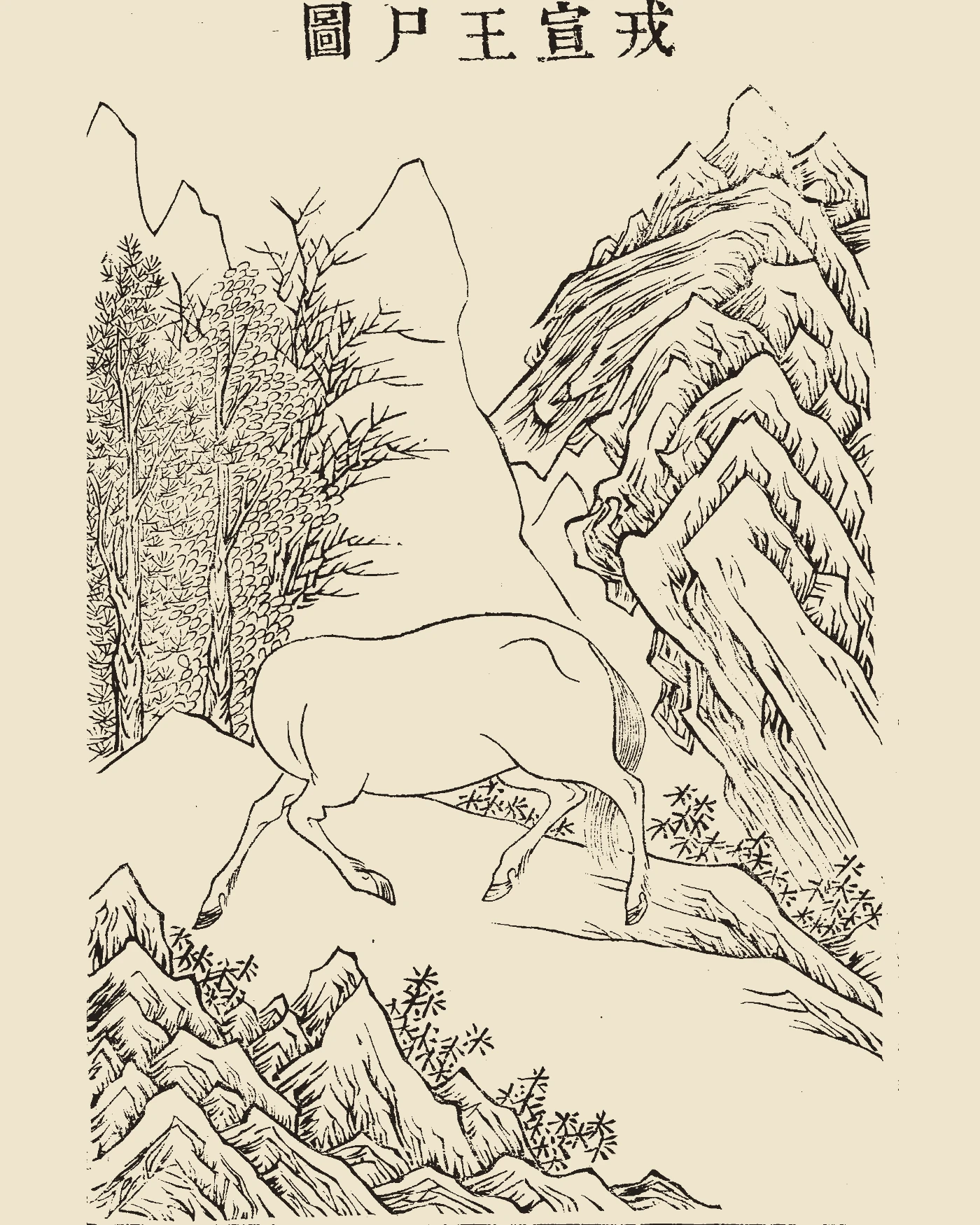
The Qing woodblock print titled 戎宣王尸圖 in the Gujin Tushu Jicheng clearly presents a headless equine creature standing serenely with curved neck and swishing tail.

Engraved with dignified simplicity, the print preserves the ancient title cartouche in the top margin, maintaining historical fidelity to ancient lore.

Record档案

Record Card档案卡

TypeSpirit beast (headless red equine)
Also known asRóngxuānwángshī 戎宣王尸; Headless horse-spirit 融父無首獸
Earliest sourceShan Hai Jing · Classic of the Great Wilderness: North
LineageAssociated with the royal ancestry of the Quanrong and the Yellow Emperor
HabitatMount Rongfu (融父山), Northern Wilderness
Earliest source山海經·大荒北經
Source books山海經·大荒北經
Image sourceChen Menglei 陳夢雷 (ed.) · Wikimedia Commons
LicensePublic domain

Frequently Asked Questions

Why is it called 'Corpse of King Rongxuan'?

In archaic mythology, 'shi' refers to the mystical spirit embodiment or spiritual vessel of an ancestral ruler.

How does it live without a head?

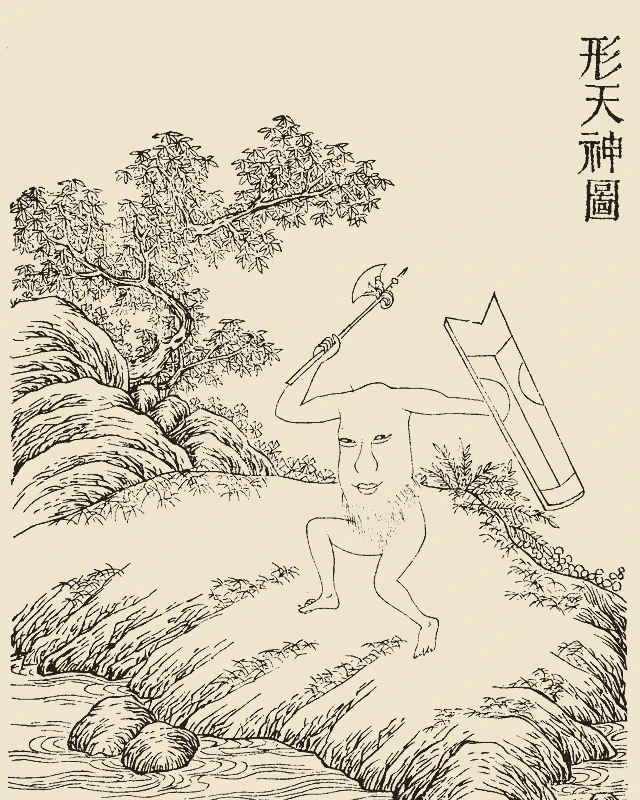
Like Xingtian who fought without a head, archaic Chinese spirits transcended ordinary anatomy through divine primordial energy.

What does the beast look like?

It is described as a headless red beast shaped like a horse.