Tuó

鼉Tuo

The ancient armoured river dragon of the Yangtze; its tail-beaten belly booms like thunder, and its hide covered royal ceremonial drums.岷山发源的万里大江之滨,巨鼍蛰伏于幽静水草之间,如浮木潜沉。

Appearance水兽

Alligator江河苍色披鳞水怪

多鼉

Habitat发源

Mount Min岷山雪岭长川大江

曰岷山

Sound击节

Drumming roar尾击隆隆震响如雷

鼉鼓逢逢

Role奏乐

Musicians perform瞽乐师击节献王室

矇瞍奏公

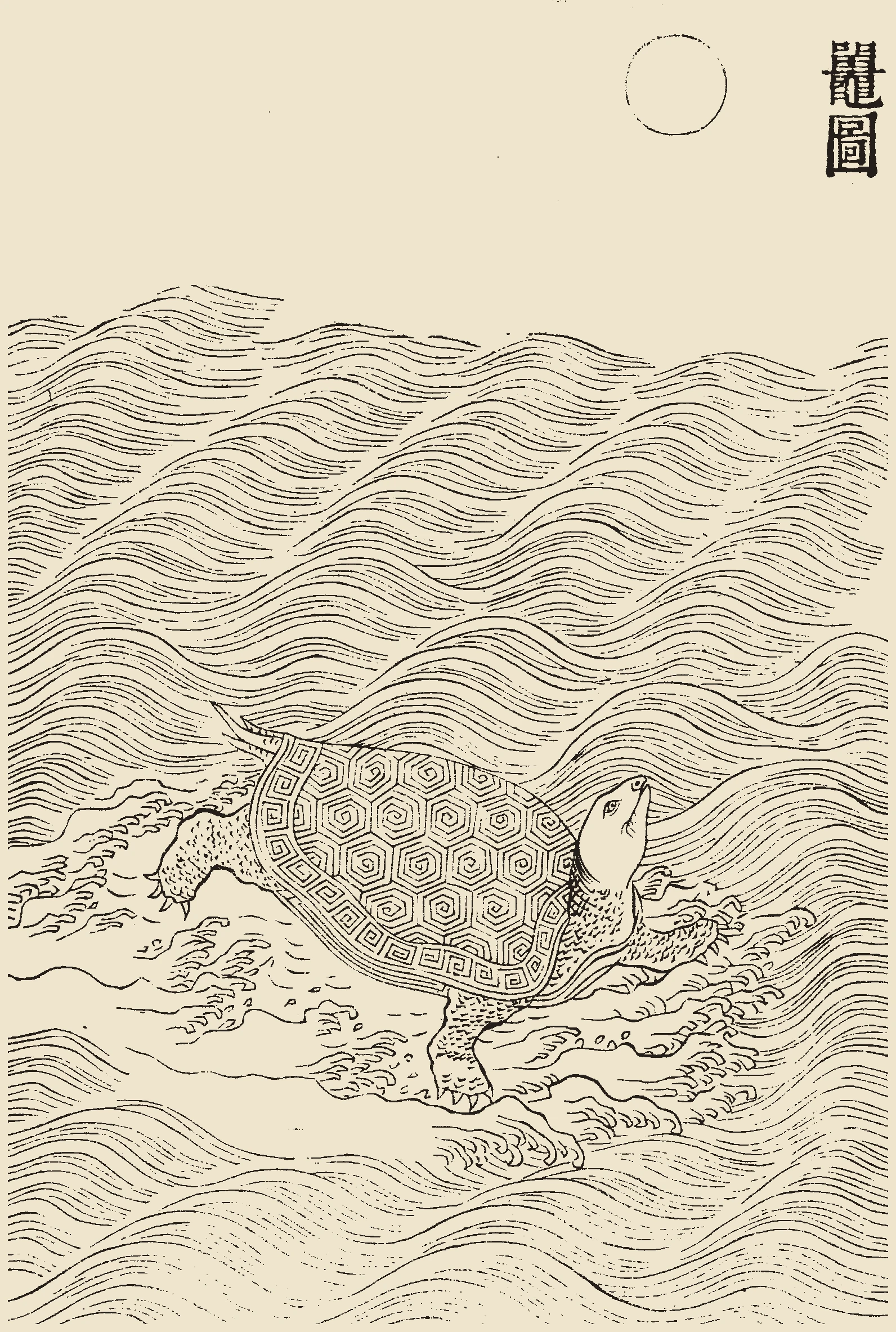
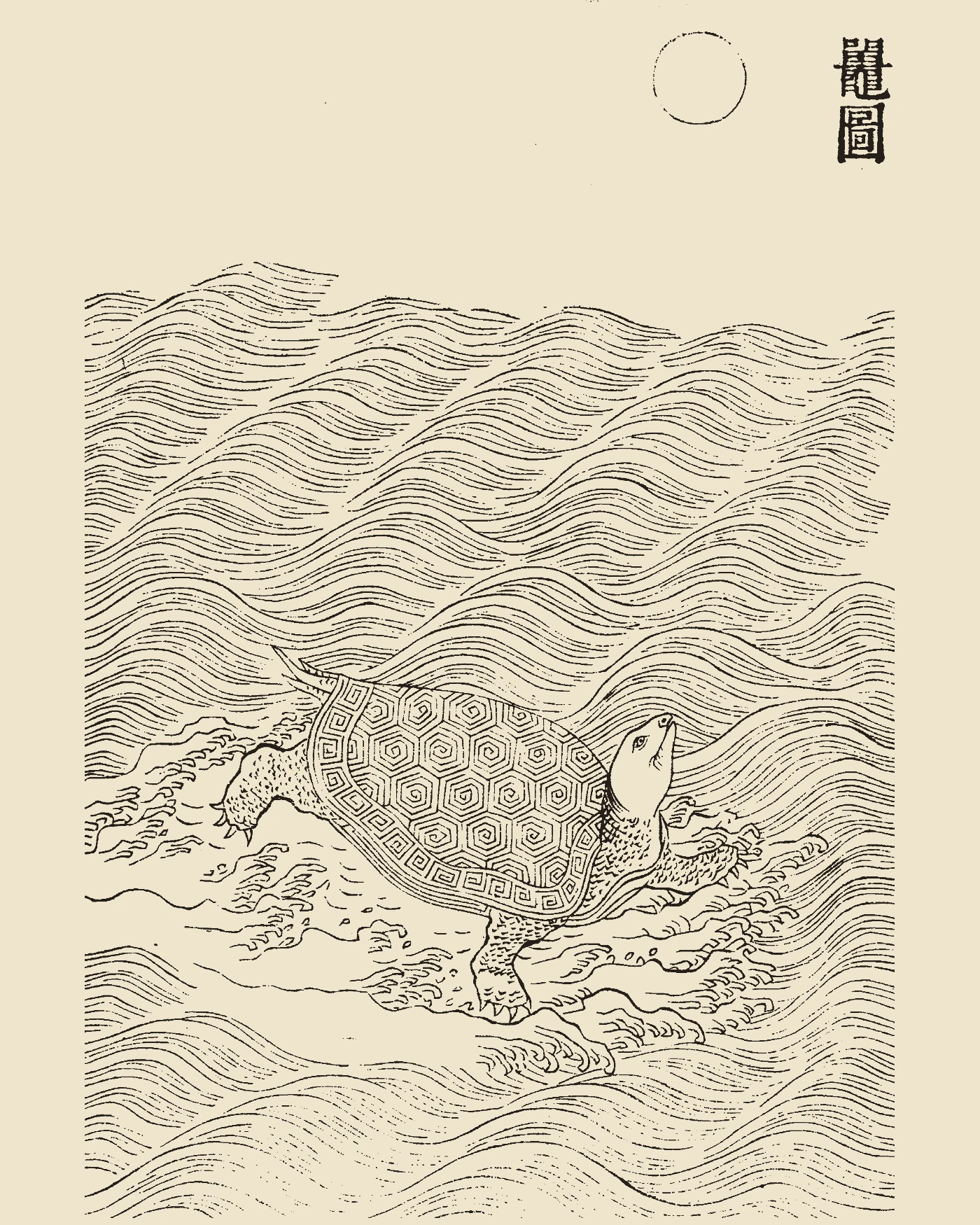
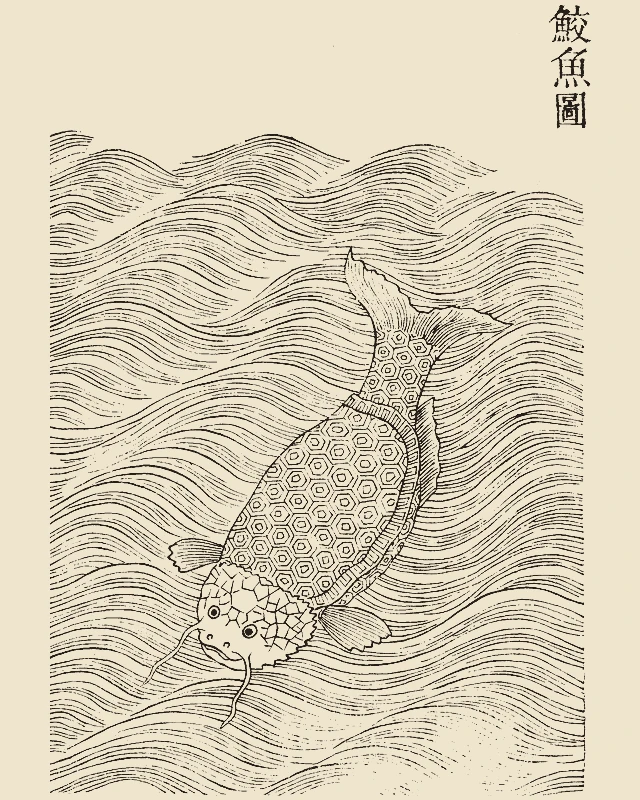
《古今图书集成》版画:鼉巨吻broad snout多鼉巨吻broad snout多鼉骨甲armoured scales多鼉骨甲armoured scales多鼉銳爪clawed limbs多鼉銳爪clawed limbs多鼉長尾powerful tail多鼉長尾powerful tail多鼉
江水出焉,東北流注于海,其中多良龜。

The Yangtze River rises here and flows northeast into the sea, in which are many fine turtles.

山海經·中山經
The Yangtze River rises here and flows northeast into the sea, in which are many fine turtles.江水出焉,東北流注于海,其中多良龜。 · Public domain公有领域

Highlighted words: anatomy part · feature · form type — tap to jump标色词:形态部位 · 特征 · 形态类别,点击可跳转

The texts原文

Original Text & Translation原文与译文

山海經·中山經 · Shan Hai Jing · Classic of the Central Mountains · Wikisource

又東北三百里,曰岷山。江水出焉,東北流注于海,其中多良龜,多鼉,其上多金玉,其下多白瑉,其木多梅棠,其獸多犀象,多夔牛,其鳥多翰鷩。
Three hundred li further northeast is Mount Min. The Jiang River rises here and flows northeast into the sea; in it are many fine turtles and many Tuo. Its heights abound in gold and jade, and its depths in white min-stone.

詩經·大雅·文王之什·靈臺 · Shi Jing · Daya · Ling Tai · Wikisource

鼉鼓逢逢,矇瞍奏公。
The alligator-skin drums boom rhythmically, as the blind musicians perform before the duke.
Show all sources (4)展开全部出处(4)

山海經·中山經 · Shan Hai Jing · Classic of the Central Mountains · Wikisource

又東北三百里,曰岷山。江水出焉,東北流注于海,其中多良龜,多鼉,其上多金玉,其下多白瑉,其木多梅棠,其獸多犀象,多夔牛,其鳥多翰鷩。
Three hundred li further northeast is Mount Min. The Jiang River rises here and flows northeast into the sea; in it are many fine turtles and many Tuo. Its heights abound in gold and jade, and its depths in white min-stone.

詩經·大雅·文王之什·靈臺 · Shi Jing · Daya · Ling Tai · Wikisource

鼉鼓逢逢,矇瞍奏公。
The alligator-skin drums boom rhythmically, as the blind musicians perform before the duke.

Comparing the Books典籍对比

The Shan Hai Jing documents the Tuo alongside turtles in the headwaters of the Yangtze River, while the Classic of Poetry immortalizes its resonant hide as the primary acoustic material for Zhou dynasty royal drums.
The story来历与故事

The ancient armoured river dragon of the Yangtze; its tail-beaten belly booms like thunder, and its hide covered royal ceremonial drums.

The Lore of Tuo鼉之古籍神异记述

Deep in the meandering reeds where Mount Min birthed the Yangtze River, the gian岷山发源的万里大江之滨,巨鼍蛰伏于幽静水草之间,如浮木潜沉。每至幽夜月升,鼍龙以

Deep in the meandering reeds where Mount Min birthed the Yangtze River, the giant Tuo floated motionless like floating timber. When night draped the marshes, it slapped its muscula

r tail against the water while bellows burst from its scaly belly, ringing like bronze percussion. Ancient royal artisans harvested its patterned hide to construct the monumental Tuogu drums that heralded morning court.

Depiction in the Imperial Encyclopaedia《古今图书集成》图解与文化传承

In the copper-type engravings of the Gujin Tushu Jicheng, the Tuo is rendered with prehistoric accuracy, displaying textured dorsal scutes, webbed feet, and a heavy serrated tail,

鼉鼓逢逢,矇瞍奏公。

The alligator-skin drums boom rhythmically, as the blind musicians perform before the duke.

— 詩經·大雅·文王之什·靈臺 · Shi Jing · Daya · Ling Tai

forever preserved as the drum-beast of Chinese antiquity.

Record档案

Record Card档案卡

Typereptile
Also known asAlligator Drum Beast 鼉龍; Chinese Alligator 鼉
HabitatMin Mountain (岷山) & the Great River (江水)
PowerSubmerged stealth, acoustic resonance, impenetrable scales
UseSkin prized to craft sacred ritual war drums (鼉鼓)
Earliest source山海經·中山經
Source books山海經·中山經
詩經·大雅·文王之什·靈臺
Image sourceChen Menglei 陳夢雷 (ed.) · Wikimedia Commons
LicensePublic domain

Frequently Asked Questions

What is the Tuo in Chinese mythology and biology?

The Tuo (鼉 / 鼉龍) is the revered Chinese alligator, recorded in the Shan Hai Jing as an armored river beast whose vocalizations resembled thunderous bronze drums.

Why were Tuo skins used for ancient drums?

From Shang and Zhou times, the thick, keratinized hide of the Tuo was dried and stretched across wooden hollows to produce royal ceremonial drums (鼉鼓) that boomed over great distances.

What mythological role did the Tuo play?

In ancient cosmology, the Tuo was linked to rainmaking and river deities; Emperor Zhuanxu even commanded the Tuo to beat its tail against its stomach to produce primordial music.