Táowù

檮杌Taowu, the Stubborn Peril

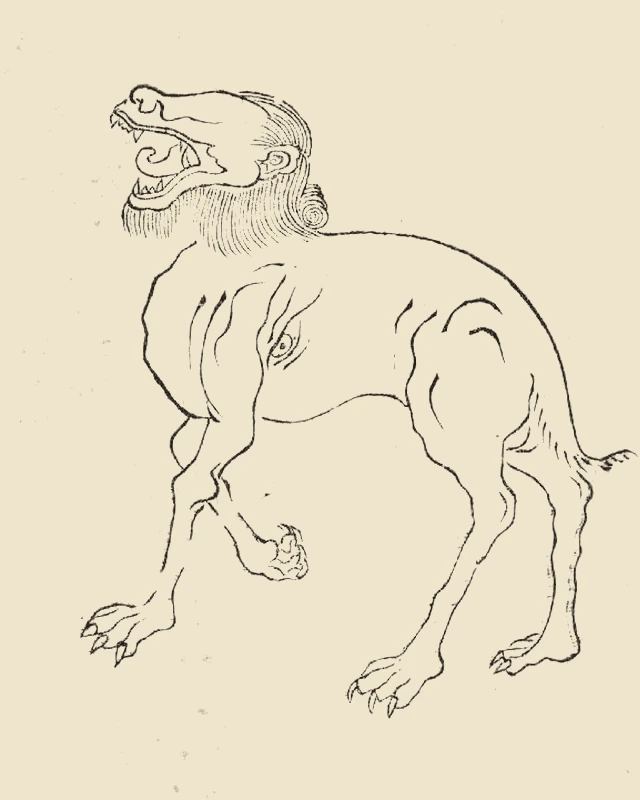
One of the Four Perils: a ferocious tiger-bodied beast with human face, boar tusks, and an eighteen-foot tail.檮杌踞立西南大荒,身硕逾虎,披拂两尺浓密粗毛,怒目人面,口喷森白野猪獠牙,丈八长尾如鞭如索。

Body巨躯

Tiger-like, long fur形似猛兽毛二尺

其狀如虎而犬毛

Head首面

Human face, boar tusks生有人面生獠牙

人面虎足

Tail长尾

Eighteen-chi tail身后扫动一丈八

尾長一丈八尺

Nature顽嚣

Obstinate and arrogant凶暴不逊乱天纲

告之則頑

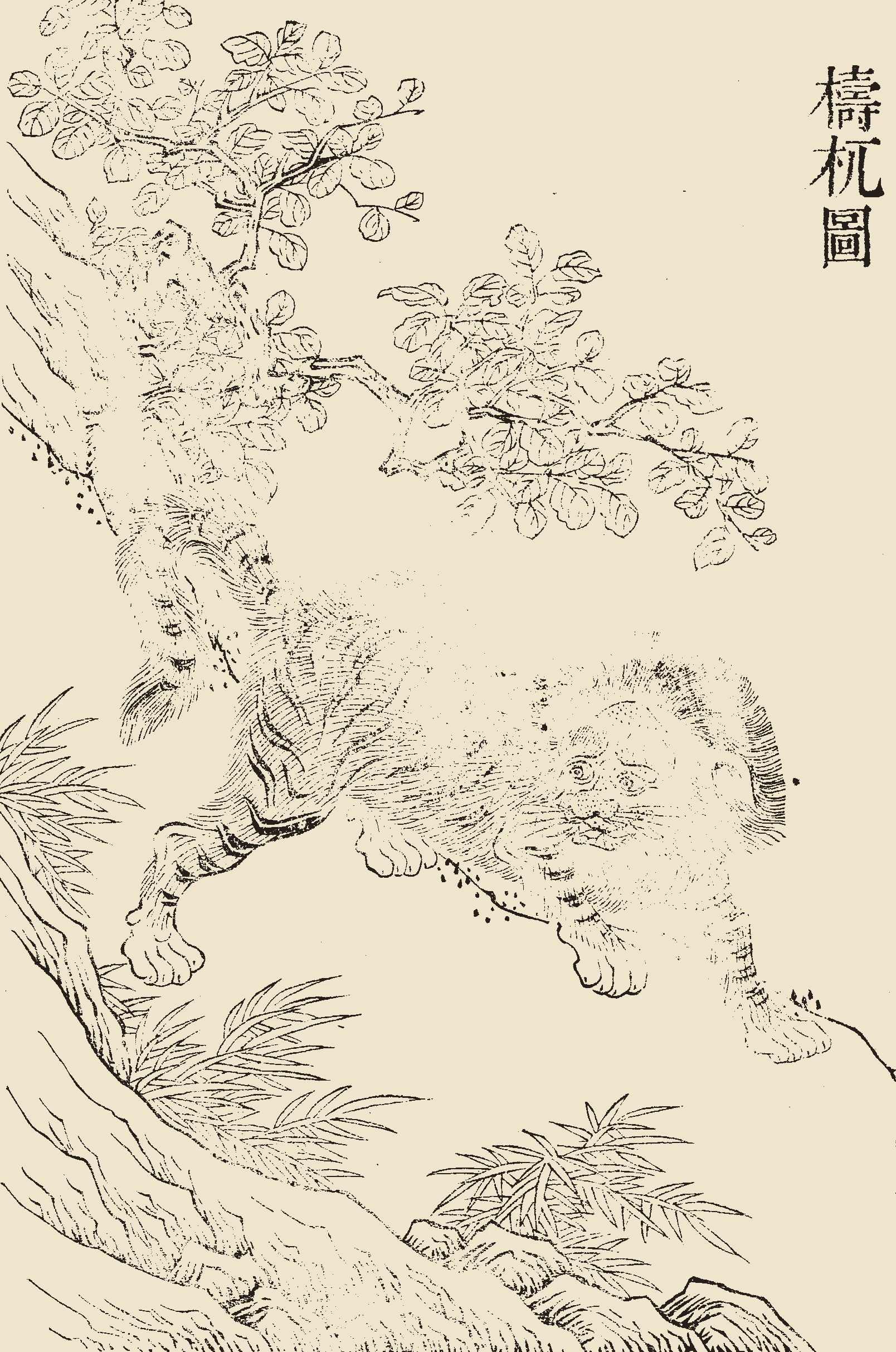
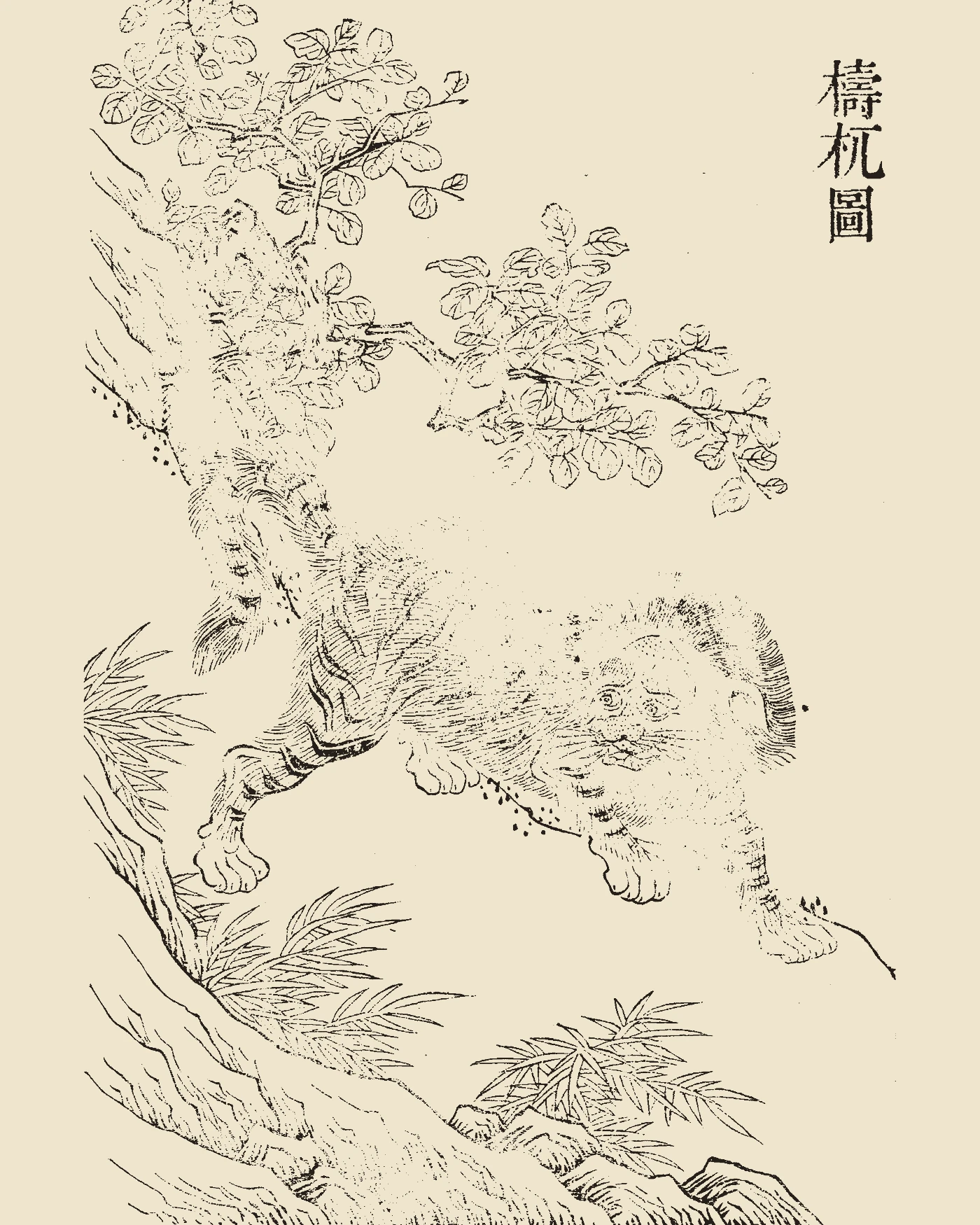
《古今图书集成》版画:檮杌人面巨颅Fierce human countenance首如凶暴人面,神态傲狠决绝。人面巨颅Fierce human countenance首如凶暴人面,神态傲狠决绝。豕口獠牙Boar tusks & savage jaws口中凸出数根暴虐野猪巨齿獠牙,利可断铁。豕口獠牙Boar tusks & savage jaws口中凸出数根暴虐野猪巨齿獠牙,利可断铁。二尺披毛Two-foot wiry coat虎躯背肋覆盖深褐硬毛,长达二尺如钢丝。二尺披毛Two-foot wiry coat虎躯背肋覆盖深褐硬毛,长达二尺如钢丝。丈八长尾Eighteen-foot coiling tail尾巴长达一丈八尺,末端倒卷,扫地生烟。丈八长尾Eighteen-foot coiling tail尾巴长达一丈八尺,末端倒卷,扫地生烟。
顓頊有不才子,不可教訓,不知話言。天下之民謂之檮杌。

One of the Four Perils: a ferocious tiger-bodied beast with human face, boar tusks, and an eighteen-foot tail.

神異經·西南荒經
檮杌圖, Gujin Tushu Jicheng 古今圖書集成, Qin Chong Dian (Section on Birds and Animals), woodblock print, 1726清·陈梦雷等编《古今图书集成·禽虫典》“檮杌图”,雍正四年(1726)铜活字印本 · Public domain公有领域

Highlighted words: anatomy part · feature · form type — tap to jump标色词:形态部位 · 特征 · 形态类别,点击可跳转

The texts原文

Original Text & Translation原文与译文

神異經 · Shen Yi Jing · Wikisource

西方荒中有獸焉,其狀如虎而犬毛,長二尺,人面虎足,猪口牙,尾長一丈八尺,攪乱荒中,名梼杌。
In the western wilderness there is a beast shaped like a tiger with canine hair two chi long, human face, tiger paws, boar tusks, and a tail eighteen chi long, named Taowu.

春秋左氏傳·文公 · Zuo Zhuan · Duke Wen · Wikisource

不可教訓,不知話言,告之則頑,舍之則嚚,傲很明德,以亂天常,天下之民謂之檮杌。
Incapable of instruction, ignorant of good words, obstinate when told, arrogant when left alone, flouting virtuous order and disrupting celestial constants: the people called him Taowu.
Show all sources (4)展开全部出处(4)

神異經 · Shen Yi Jing · Wikisource

西方荒中有獸焉,其狀如虎而犬毛,長二尺,人面虎足,猪口牙,尾長一丈八尺,攪乱荒中,名梼杌。
In the western wilderness there is a beast shaped like a tiger with canine hair two chi long, human face, tiger paws, boar tusks, and a tail eighteen chi long, named Taowu.

春秋左氏傳·文公 · Zuo Zhuan · Duke Wen · Wikisource

不可教訓,不知話言,告之則頑,舍之則嚚,傲很明德,以亂天常,天下之民謂之檮杌。
Incapable of instruction, ignorant of good words, obstinate when told, arrogant when left alone, flouting virtuous order and disrupting celestial constants: the people called him Taowu.

Comparing the Books典籍对比

Alongside Taotie, Hundun, and Qiongqi, Taowu constitutes the Four Perils (四凶) of primeval China: a monstrous personification of irredeemable obstinacy, brutality, and refusal to yield.

While the Zuo Zhuan originally used Taowu as the pejorative title for Zhuanxu's obstinate and intractable son, Han dynasty cosmographies like the Shen Yi Jing reified Taowu into a physical monster: a tiger-sized beast with human face, wild boar tusks, and a tail measuring eighteen feet.
The story来历与故事

One of the Four Perils: a ferocious tiger-bodied beast with human face, boar tusks, and an eighteen-foot tail.

Origins & Classical Lore古籍记述与神异源流

Revered as one of the ancient Four Perils, Taowu is a ferocious tiger-bodied monster with boar tusks and human face.被列为上古四凶之一的檮杌身如巨虎、覆被长毛、口吐獠牙,性格顽凶不可劝服。

Origins in antiquity

Physical features

Geographic territory

Abilities and habits

Depiction & Cultural Legacy《古今图书集成》画意与文化流传

Historical reception

不可教訓,不知話言,告之則頑,舍之則嚚,傲很明德,以亂天常,天下之民謂之檮杌。

Incapable of instruction, ignorant of good words, obstinate when told, arrogant when left alone, flouting virtuous order and disrupting celestial constants: the people called him Taowu.

— 春秋左氏傳·文公 · Zuo Zhuan · Duke Wen

Contemporary resonance

In classical historiography and vernacular literature, Taowu came to denote both unteachable obstinacy and the title of regional historical chronicles (such as the lost Annals of Chu), while remaining a cornerstone of China's Four Perils demonology.

Record档案

Record Card档案卡

TypeFierce beast (four perils, human-faced tiger, boar-tusked)
Also known asTaowu (檮杌 / 梼杌), Stubborn Blockhead (難訓之凶), One of the Four Perils (四凶之一)
HabitatThe vast desolation of the Southwestern Wilderness
PowerNever retreats in combat, fights to the absolute death; stirs endless recalcitrance and chaos
UseCatastrophe beast of rebellion and obstinacy (cast out by Emperor Shun to guard the borders)
Earliest source神異經
Source books神異經
春秋左氏傳·文公
Image sourceChen Menglei 陳夢雷 (ed.) · Wikimedia Commons
LicensePublic domain

Frequently Asked Questions

为什么楚国的史书要命名为《梼杌》?

孟子曾言:“晋之《乘》,楚之《梼杌》,鲁之《春秋》,一也。”古代学者解释,梼杌是凶兽,顽固作恶必受惩罚,史官以此名史,意在记录恶行以示惩戒,使后世乱臣贼子知所畏惧。

檮杌的尾巴为何会长达一丈八尺?

汉尺一丈约等于2.3米,一丈八尺超过4米。这种极度夸张的长尾赋予了它全方位的尾击战术能力,在近战搏杀中犹如重鞭横扫千军。

四凶(饕餮、浑沌、穷奇、梼杌)各自象征何种劣德?

饕餮象征贪婪无厌,浑沌象征是非不分,穷奇象征弃信背义,檮杌则专指顽冥不化、傲狠狂悖。舜帝将四凶流放四方,终使四海清明。

See also另见

  • Qiongqi — Both Taowu and Qiongqi are ranked among the mythical Four Perils (四凶) banished by Emperor Shun to guard against demonic forces.梼杌与穷奇同列上古“四凶”,在古史传说中皆被舜帝流放至四裔以御魑魅。
  • Taotie — Both Taowu and Taotie embody primeval ferocity and moral transgression in classical historical narratives.梼杌与饕餮同为先秦古籍中贪暴顽劣、悖逆德教的四凶恶兽典型。