Hèjū

猲狙Heju

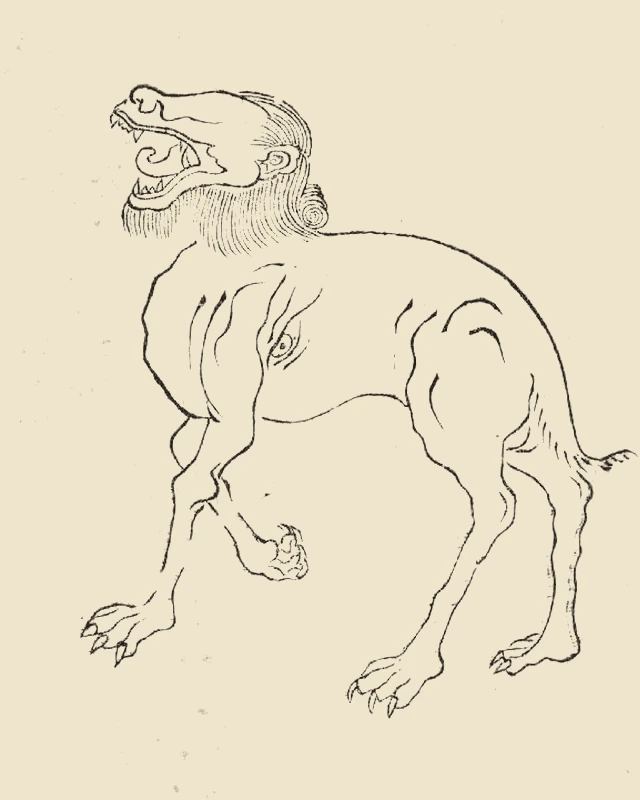
A red-headed, rat-eyed wolf-like man-eater of Mount Beihao.北號之山的赤首凶狼:生有鼠目,声如豚,善食人类。

Body形貌

Wolf-like扑跃如野狼

其狀如狼

Head头面

Red head, rat eyes血顶配微细眼

赤首鼠目

Voice声音

Piglet voice鸣叫宛如豚

其音如豚

Nature习性

Eats people凶悍残暴吞

是食人

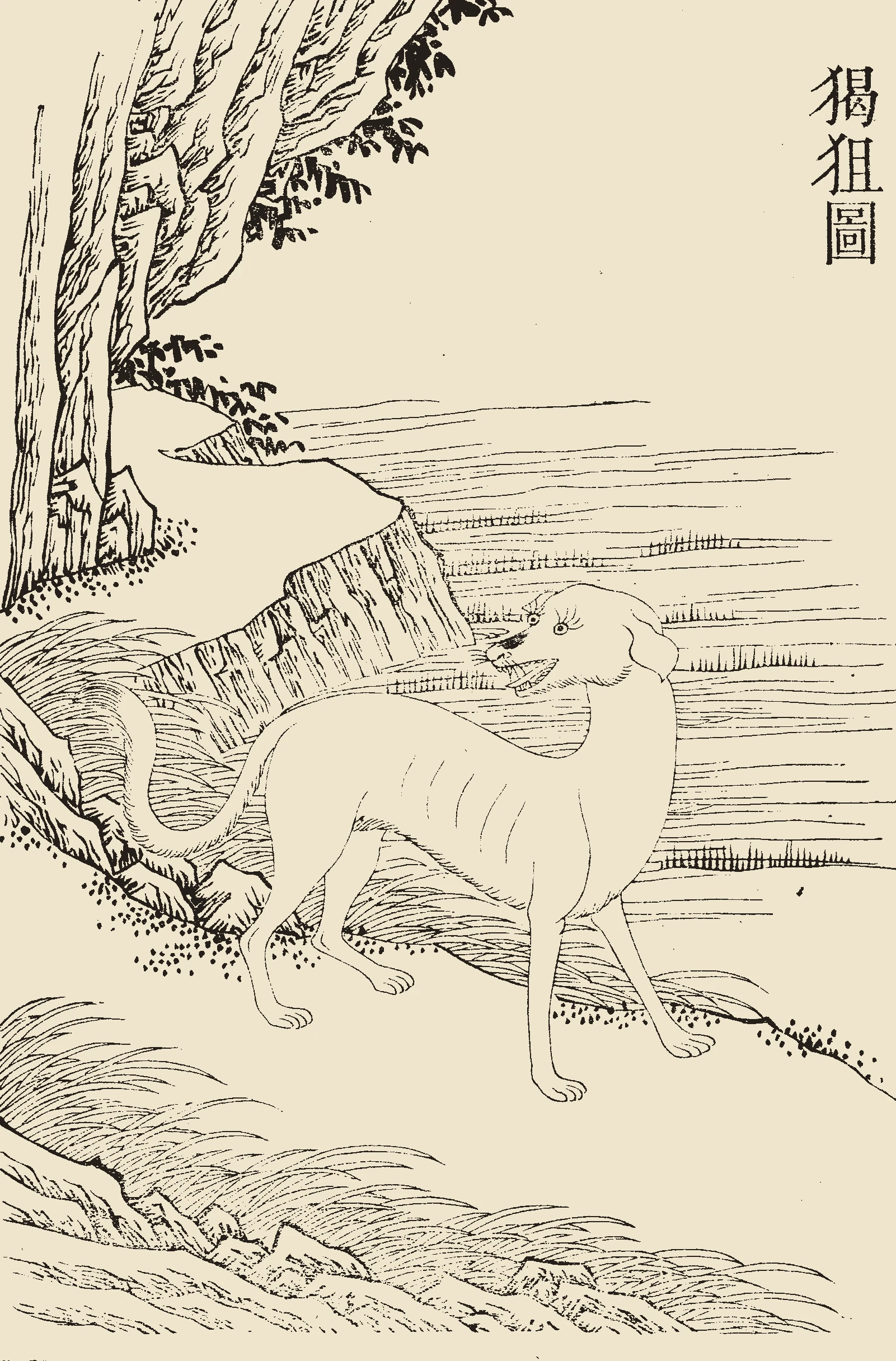
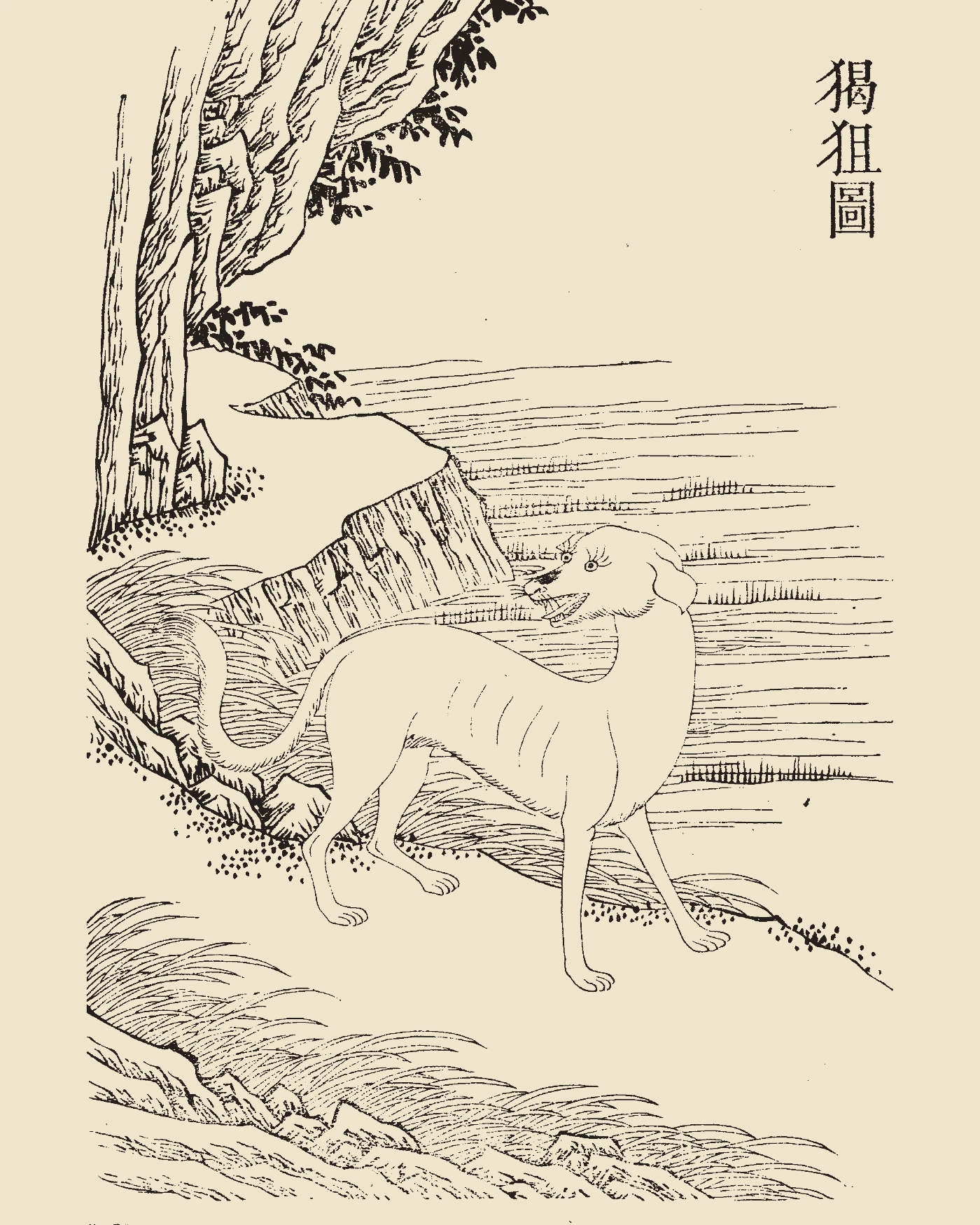
Print from the Gujin Tushu Jicheng: a sleek canine predator stands poised along a shoreline cliff, with the title 'Heju Tu' at upper right其狀如狼Wolf-like body狼形身躯其狀如狼Wolf-like body狼形身躯赤首鼠目Red head & rat eyes赤首与鼠目赤首鼠目Red head & rat eyes赤首与鼠目其狀如狼Curled tail长尾随身其狀如狼Curled tail长尾随身
食水出焉而東北流注于海

The Shi River rises here and flows northeast into the sea.

山海經·東山經
猲狙圖, Gujin Tushu Jicheng 古今圖書集成, Qin Chong Dian (Section on Birds and Animals), woodblock print, 1726清·陈梦雷等编《古今图书集成·禽虫典》“猲狙图”,雍正四年(1726)铜活字印本 · Public domain公有领域

Highlighted words: anatomy part · feature · form type — tap to jump标色词:形态部位 · 特征 · 形态类别,点击可跳转

The texts原文

Original Text & Translation原文与译文

山海經·東山經 · 山海經·東山經 · Wikisource

又《東次四經》之首,曰北號之山,臨于北海。有木焉,其狀如楊,赤華,其實如棗而無核,其味酸甘,食之不瘧。食水出焉,而東北流注于海。有獸焉,其狀如狼,赤首鼠目,其音如豚,名曰猲狙,是食人。有鳥焉,其狀如雞而白首,鼠足而虎爪,其名曰鬿雀,亦食人。
There is a beast here shaped like a wolf with a red head and rat’s eyes, and a voice like a piglet. Its name is Heju, and it eats people.

山海經·東山經 · 山海經·東山經 · Wikisource

又《東次四經》之首,曰北號之山,臨于北海。有木焉,其狀如楊,赤華,其實如棗而無核,其味酸甘,食之不瘧。食水出焉,而東北流注于海。有獸焉,其狀如狼,赤首鼠目,其音如豚,名曰猲狙,是食人。有鳥焉,其狀如雞而白首,鼠足而虎爪,其名曰鬿雀,亦食人。
There is a beast here shaped like a wolf with a red head and rat’s eyes, and a voice like a piglet. Its name is Heju, and it eats people.

Comparing the Books典籍对比

The Classic of the Eastern Mountains describes the Heju as a red-headed, pig-voiced man-eating wolf; the Gujin Tushu Jicheng print shows it watchful along river banks.
The story来历与故事

Heju (猲狙) is a fierce wolf-like predator of Mount Beihao. The Shan Hai Jing records that it resembles a wolf with a crimson head and beady rat eyes, grunts like a pig, and devours humans.

The Red-Headed Wolf of Mount Beihao北號之山的赤首凶兽

The Fourth Eastern Sequence opens at Mount Beihao on the shores of the northern 《东山经》东次四经以临近北海的北號之山为首。山中生有无核赤华、食之不疟之木;亦盘

The Fourth Eastern Sequence opens at Mount Beihao on the shores of the northern sea. There grows a jujube-like fruit without stones that cures malaria. Sharing this northern territory is the Heju, an apex carnivore shaped like a wolf with a vibrant red skull and rodent-like eyes.

The text notes that it utters grunts resembling a domestic piglet, disguising its lethal nature as an active consumer of people alongside the Qique bird.

The Plate in the Imperial Encyclopaedia《古今图书集成》里的猲狙图

The Gujin Tushu Jicheng print titled 猲狙圖 depicts a clean-limbed, canine beast turning its head atop a riverbank slope beneath tall branches. The title card is fixed at the upper right.

The print captures the sleek silhouette of the predator on the mountain bluffs.

Record档案

Record Card档案卡

TypeBeast (wolf-shaped, red head, man-eater)
Also known asHèjū 猲狙
Earliest sourceShan Hai Jing 山海經, Classic of the Eastern Mountains (Fourth Eastern Sequence)
PreyEats people
HabitatMount Beihao
Earliest source山海經·東山經
Source books山海經·東山經
Image sourceChen Menglei 陳夢雷 (ed.) · Wikimedia Commons
LicensePublic domain

Frequently Asked Questions

What is the Heju?

The Heju is a red-headed, wolf-shaped man-eating beast from the Shan Hai Jing.

Where is the Heju found?

It lives on Mount Beihao, facing the northern sea in the Fourth Eastern Sequence.

What sounds does it make?

The classic states that its cry sounds like a piglet (其音如豚).