Cóngcóng

從從Congcong

A six-legged canine beast of Mount Xunzhuang whose cry is its own name.栒狀之山的六足犬兽:叫声就是自己的名字。

Body体貌

Dog-like body体态灵巧犬

其狀如犬

Legs肢足

Six legs长有六条腿

六足

Voice声音

Calls own name自呼其名号

其鳴自詨

Name名号

Named Congcong异兽名从从

其名曰從從

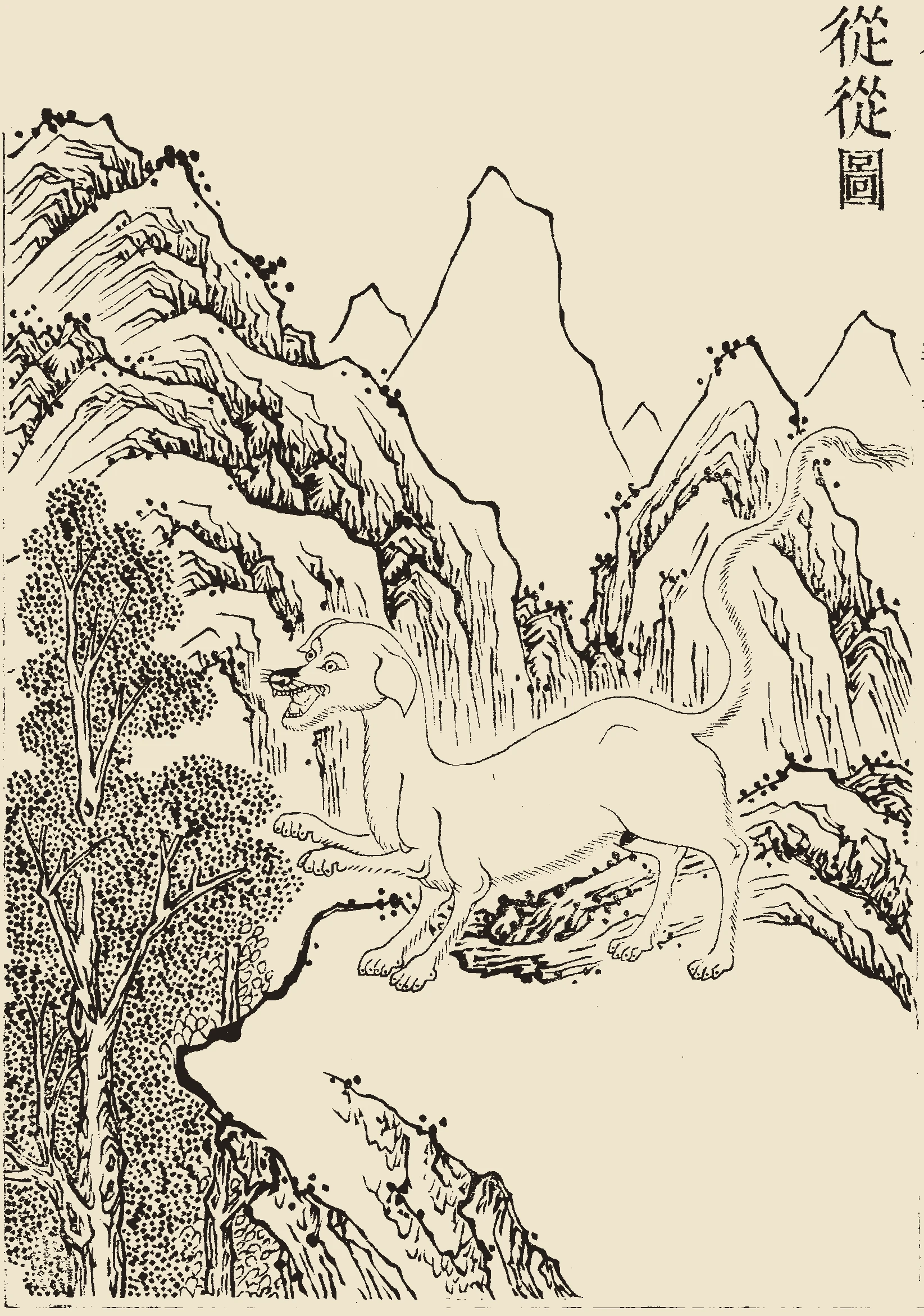
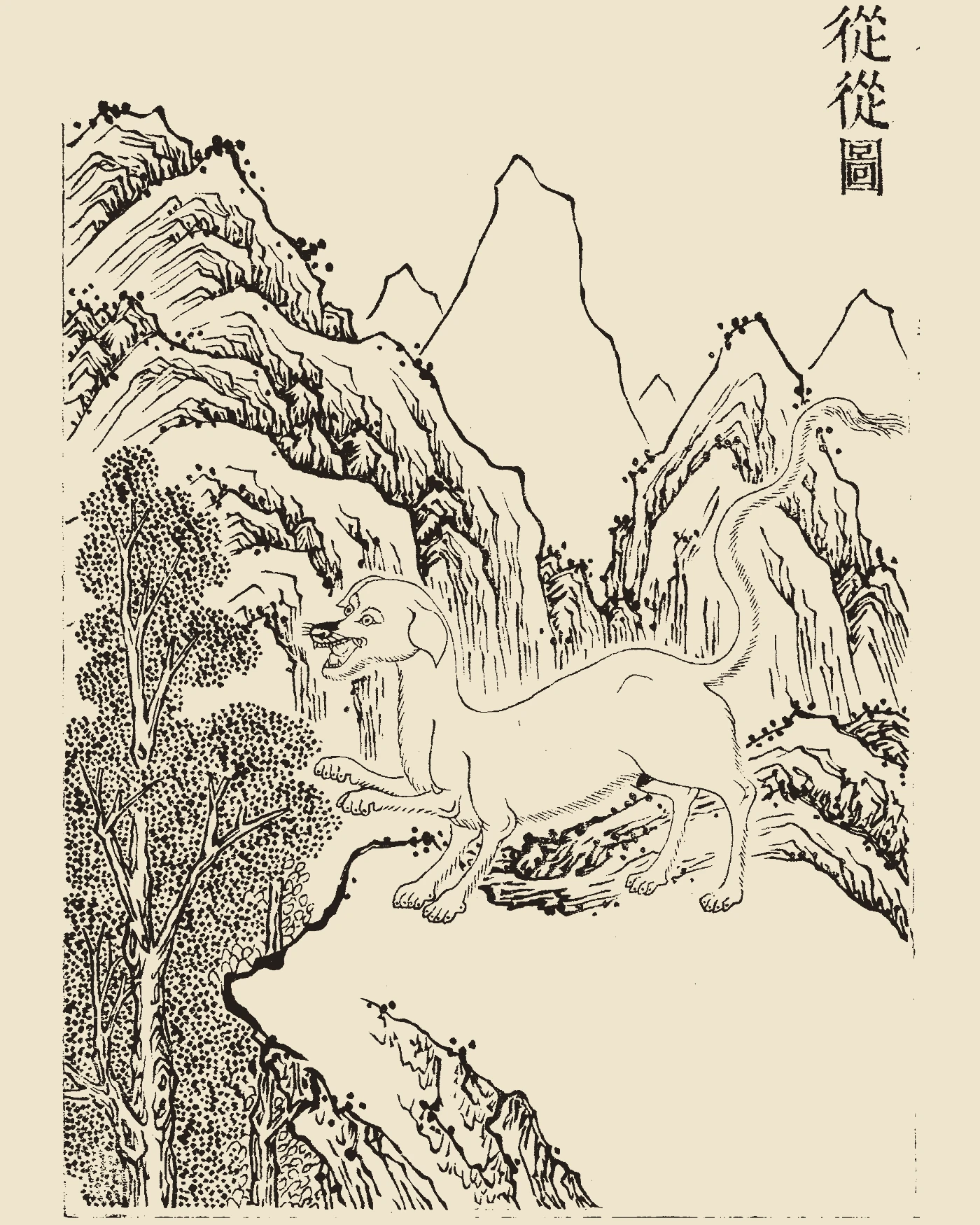
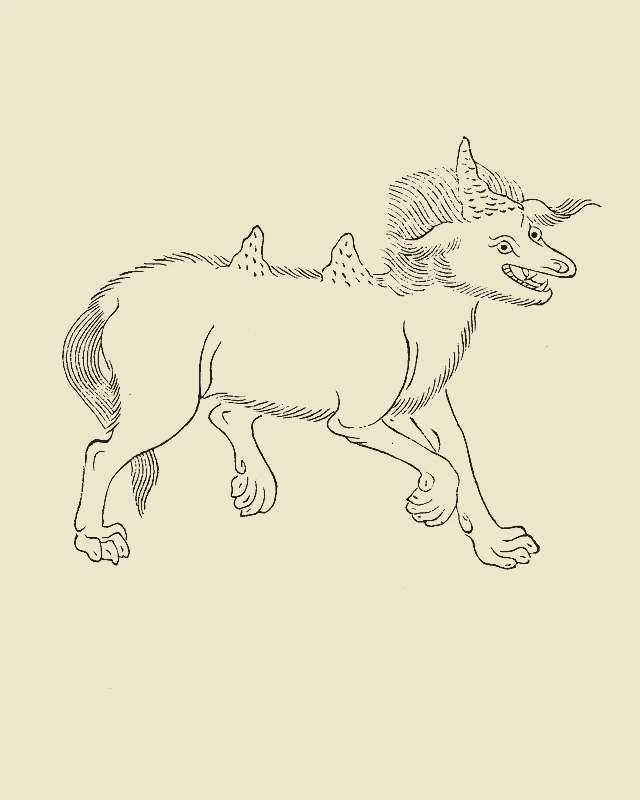
Print from the Gujin Tushu Jicheng: a six-legged canine beast stands on a high rocky cliff amidst mountains, with the title 'Congcong Tu' at upper right其狀如犬Canine body犬状躯干其狀如犬Canine body犬状躯干其狀如犬Head and muzzle头面犬吻其狀如犬Head and muzzle头面犬吻六足Forelegs前足群六足Forelegs前足群六足Additional legs多生之足六足Additional legs多生之足
栒狀之山多金玉

Mount Xunzhuang abounds in gold and jade.

山海經·東山經
從從圖, Gujin Tushu Jicheng 古今圖書集成, Qin Chong Dian (Section on Birds and Animals), woodblock print, 1726清·陈梦雷等编《古今图书集成·禽虫典》“從從图”,雍正四年(1726)铜活字印本 · Public domain公有领域

Highlighted words: anatomy part · feature · form type — tap to jump标色词:形态部位 · 特征 · 形态类别,点击可跳转

The texts原文

Original Text & Translation原文与译文

山海經·東山經 · 山海經·東山經 · Wikisource

又南三百里,曰栒狀之山,其上多金玉,其下多青碧石。有獸焉,其狀如犬,六足,其名曰從從,其鳴自詨。有鳥焉,其狀如雞而鼠毛,其名曰䖪鼠,見則其邑大旱。掛水出焉。而北流注于湖水。其中多箴魚,其狀如儵,其喙如箴,食之無疫疾。
There is a beast here shaped like a dog, with six legs. Its name is Congcong, and its cry calls out its own name.

山海經·東山經 · 山海經·東山經 · Wikisource

又南三百里,曰栒狀之山,其上多金玉,其下多青碧石。有獸焉,其狀如犬,六足,其名曰從從,其鳴自詨。有鳥焉,其狀如雞而鼠毛,其名曰䖪鼠,見則其邑大旱。掛水出焉。而北流注于湖水。其中多箴魚,其狀如儵,其喙如箴,食之無疫疾。
There is a beast here shaped like a dog, with six legs. Its name is Congcong, and its cry calls out its own name.

Comparing the Books典籍对比

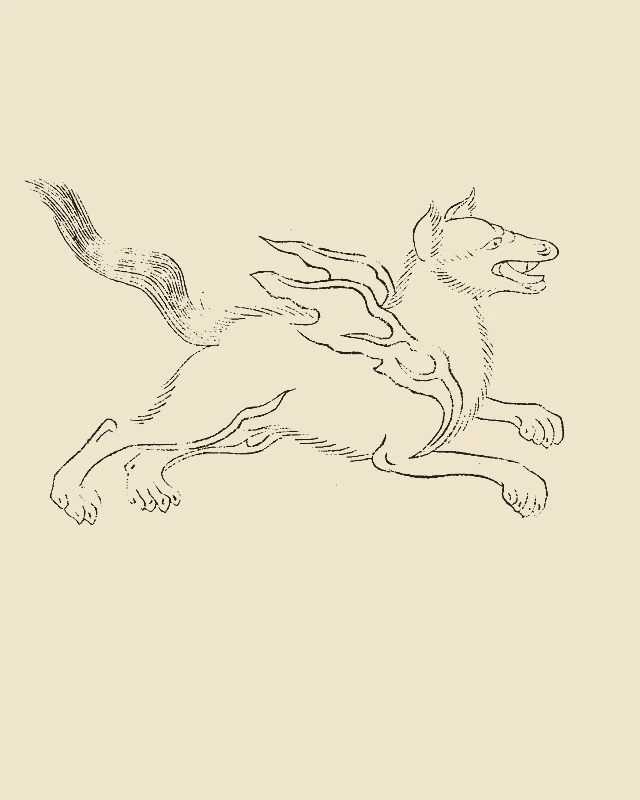
The Classic of the Eastern Mountains records the Congcong as a six-legged dog; the Gujin Tushu Jicheng print presents it perched high on mountain crags.
The story来历与故事

Congcong (從從) is a six-legged dog-like beast of Mount Xunzhuang. The Shan Hai Jing says it is shaped like a dog and has six legs, and that its cry calls out its own name.

The Beast of Mount Xunzhuang栒狀之山的兽

In the Classic of the Eastern Mountains, Mount Xunzhuang is rich in gold and jad《山海经·东山经》之首记栒狀之山,山上多金玉,山下多青碧石。山中生有从从,是一只

In the Classic of the Eastern Mountains, Mount Xunzhuang is rich in gold and jade on its heights and blue jasper on its lower slopes. Among its rocks lives the Congcong, a six-legged canine beast whose bark sounds like its own name.

The text also mentions that Mount Xunzhuang is home to the Cishu bird, which resembles a chicken with rodent fur and presages severe drought.

The Plate in the Imperial Encyclopaedia《古今图书集成》里的从从图

The Gujin Tushu Jicheng woodblock print titled 從從圖 depicts a hound with an arched tail standing upon a rocky precipice. Multiple paws are clearly engraved under its chest and belly, with the title at upper right.

The print directly illustrates the six legs recorded in the ancient text.

Record档案

Record Card档案卡

TypeBeast (dog-shaped, six legs)
Also known asCóngcóng 從從
Earliest sourceShan Hai Jing 山海經, Classic of the Eastern Mountains (opening sequence)
HabitatMount Xunzhuang
Earliest source山海經·東山經
Source books山海經·東山經
Image sourceChen Menglei 陳夢雷 (ed.) · Wikimedia Commons
LicensePublic domain

Frequently Asked Questions

What is the Congcong in Chinese mythology?

The Congcong is a six-legged dog-shaped beast from the Shan Hai Jing that calls its own name.

Where can Congcong be found?

It dwells on Mount Xunzhuang in the Classic of the Eastern Mountains.

How many legs does the Congcong have?

The text explicitly states that it has six legs (六足).