táo bá

桃拔Taoba

An exotic Western Regions beast shaped like a hornless qilin; sent as imperial tribute alongside royal lions.阳关大道烽烟万里,自帕米尔高原远道而来的使团入觐京师。

Form貌似麟

Like a qilin without horn身形类麒麟无双角

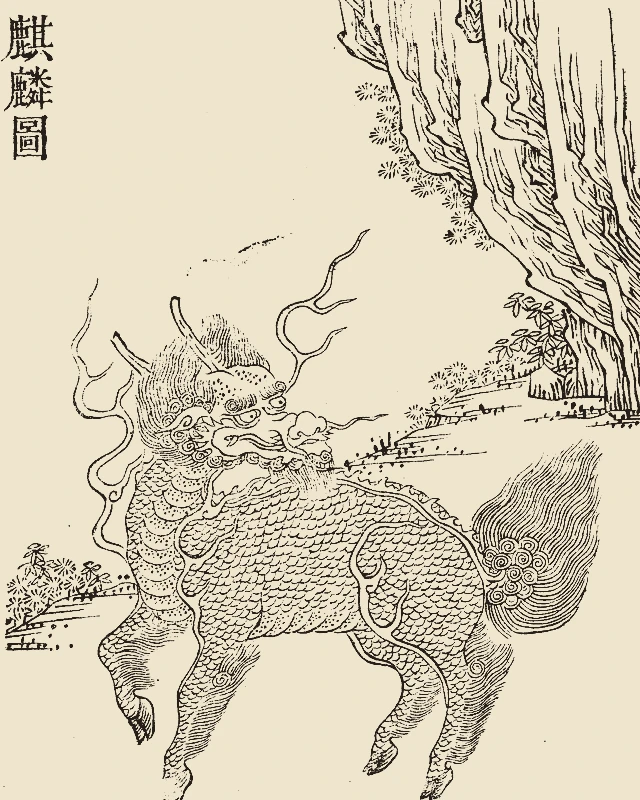
符拔形似麟而無角

Origin殊方

Tribute from distant realms汉代异域遣使入贡

遣使獻師子、符拔

Habitat西域

Native to Wuyi Shanli地处遥远葱岭以南

至烏弋山離

Nature珍禽

Exotic beast alongside lion异兽与猛狮相齐名

而有桃拔、師子

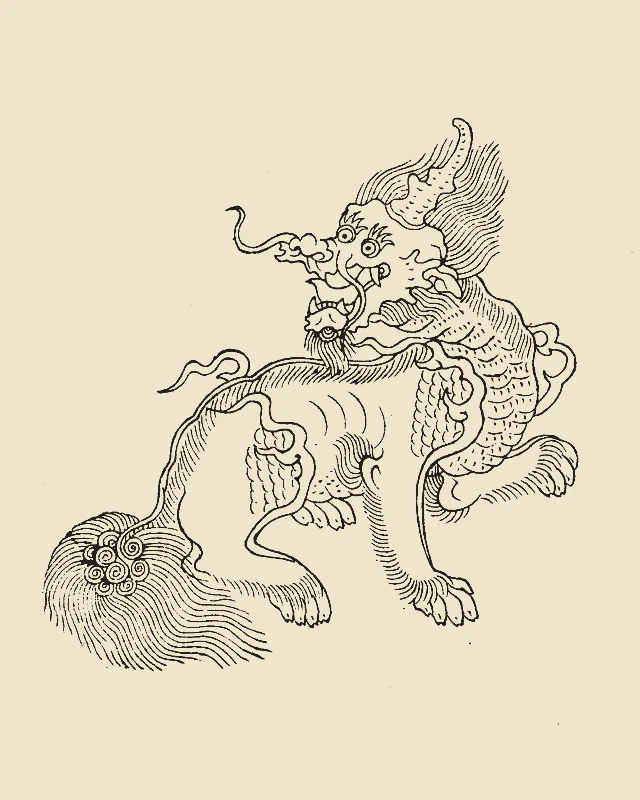
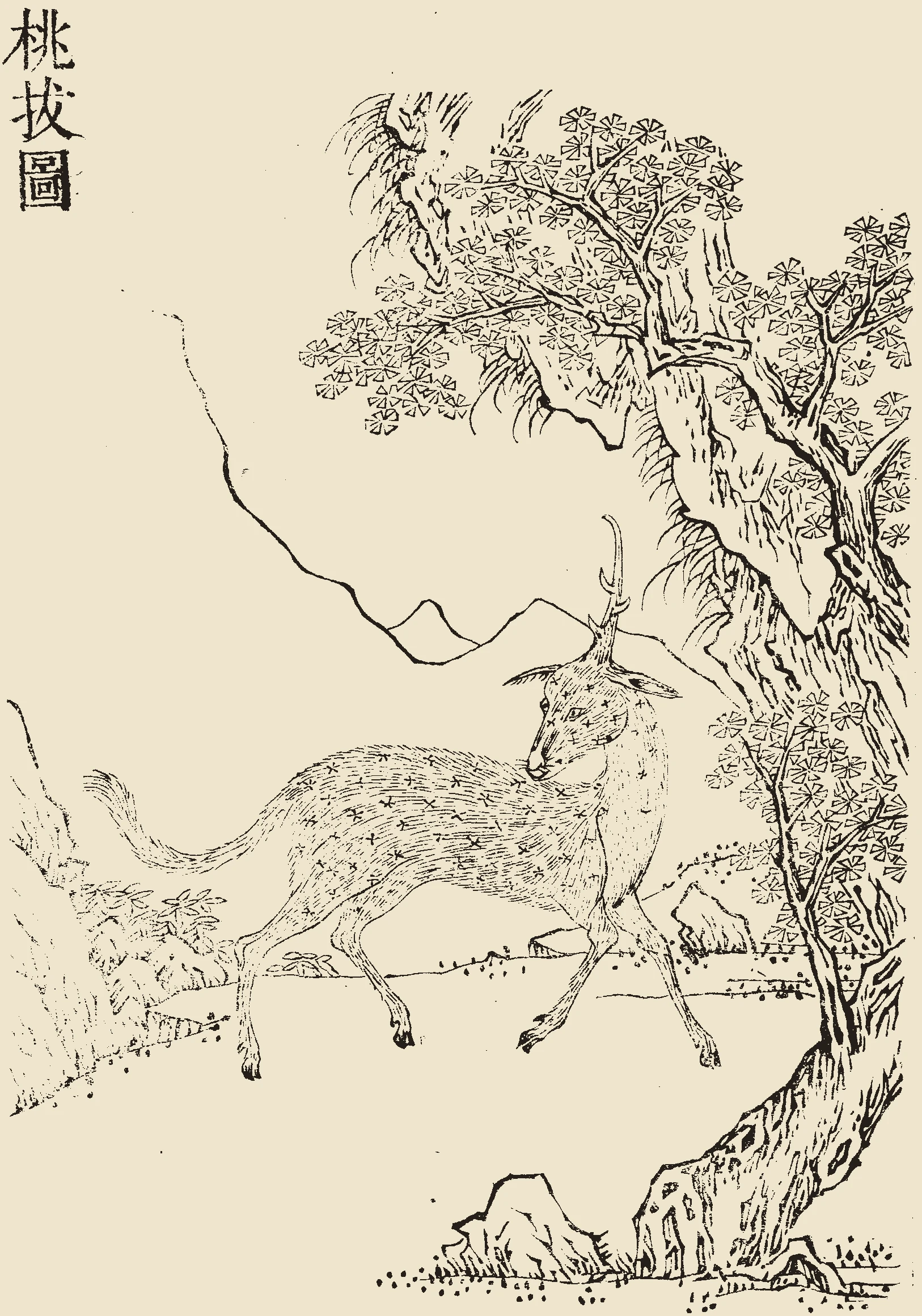
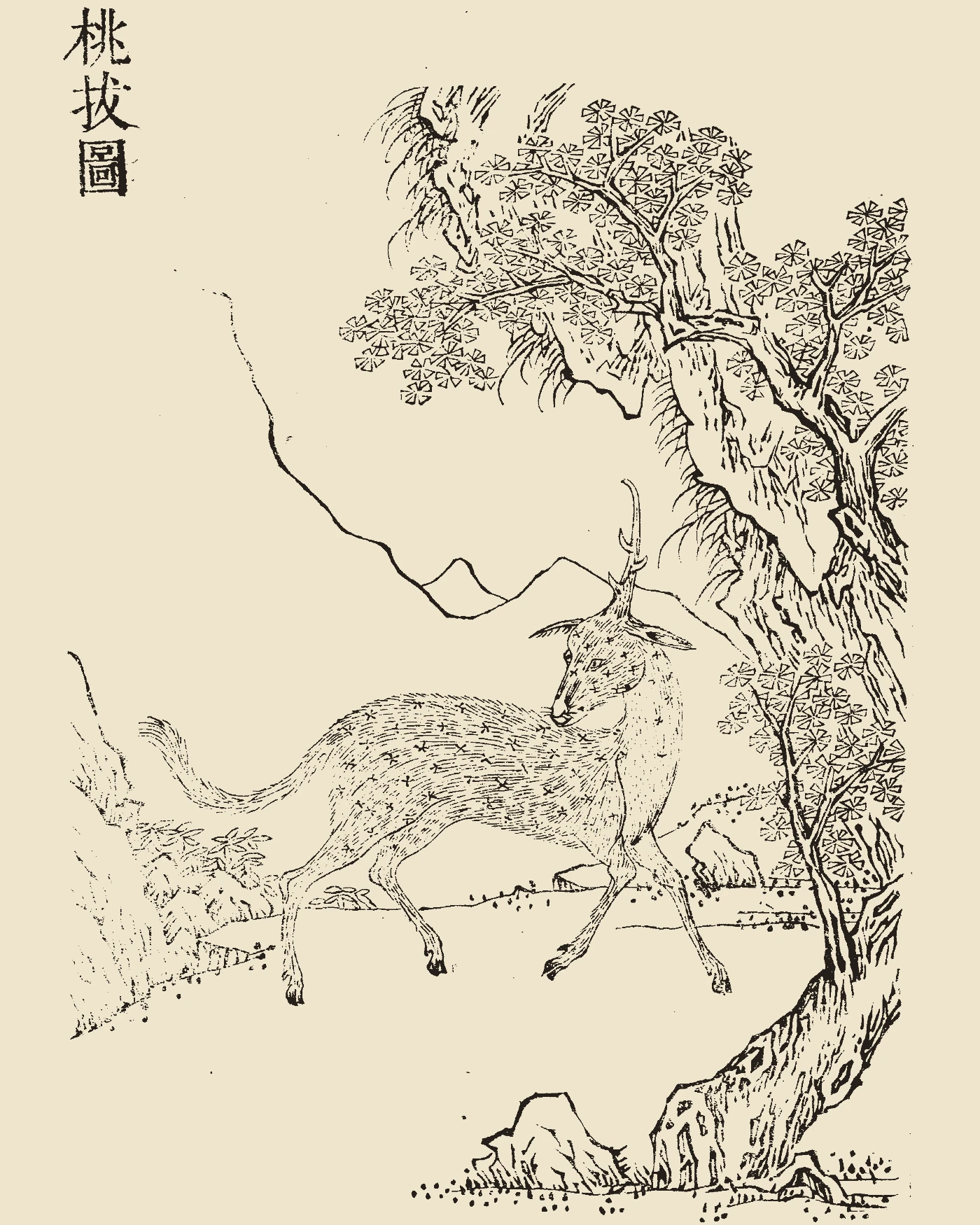
《清内府铜活字印本《古今图书集成·禽虫典》》版画:桃拔麟軀qilin body其形如麟麟軀qilin body其形如麟長尾flowing tail尾長如拂長尾flowing tail尾長如拂健蹄agile hooves四足如鹿蹄健蹄agile hooves四足如鹿蹄無角hornless brow頂骨平實無角無角hornless brow頂骨平實無角
烏弋有桃拔、師子、犀子

In Wuyi are the Taoba, lion, and rhinoceros.

漢書·卷096上
桃拔圖, 清内府铜活字印本《古今图书集成·禽虫典》, woodblock print, 1726古籍刻本《清内府铜活字印本《古今图书集成·禽虫典》》“桃拔图”,公有领域版画 · Public domain公有领域

Highlighted words: anatomy part · feature · form type — tap to jump标色词:形态部位 · 特征 · 形态类别,点击可跳转

The texts原文

Original Text & Translation原文与译文

漢書·卷096上 · Book of Han · Chapter 96A (Western Regions) · Wikisource

金珠之屬皆與罽賓同,而有桃拔、師子、犀子。自玉門、陽關出南道,歷鄯善而南行,至烏弋山離,南道極矣。
Valuables of gold and pearls are identical with Jibin, and here are the Taoba, lion, and rhinoceros. Departing Yumen and Yangguan along the southern route, passing Shanshan and traveling south to Wuyi Shanli, this is the furthest extent of the southern route.

後漢書·卷88 · Book of the Later Han · Chapter 88 (Western Regions) · Wikisource

章帝章和元年,遣使獻師子、符拔。符拔形似麟而無角。
In the first year of Zhanghe under Emperor Zhang, envoys were sent offering lions and Fuba. The Fuba is shaped like a qilin but without horns.
Show all sources (4)展开全部出处(4)

漢書·卷096上 · Book of Han · Chapter 96A (Western Regions) · Wikisource

金珠之屬皆與罽賓同,而有桃拔、師子、犀子。自玉門、陽關出南道,歷鄯善而南行,至烏弋山離,南道極矣。
Valuables of gold and pearls are identical with Jibin, and here are the Taoba, lion, and rhinoceros. Departing Yumen and Yangguan along the southern route, passing Shanshan and traveling south to Wuyi Shanli, this is the furthest extent of the southern route.

後漢書·卷88 · Book of the Later Han · Chapter 88 (Western Regions) · Wikisource

章帝章和元年,遣使獻師子、符拔。符拔形似麟而無角。
In the first year of Zhanghe under Emperor Zhang, envoys were sent offering lions and Fuba. The Fuba is shaped like a qilin but without horns.

Comparing the Books典籍对比

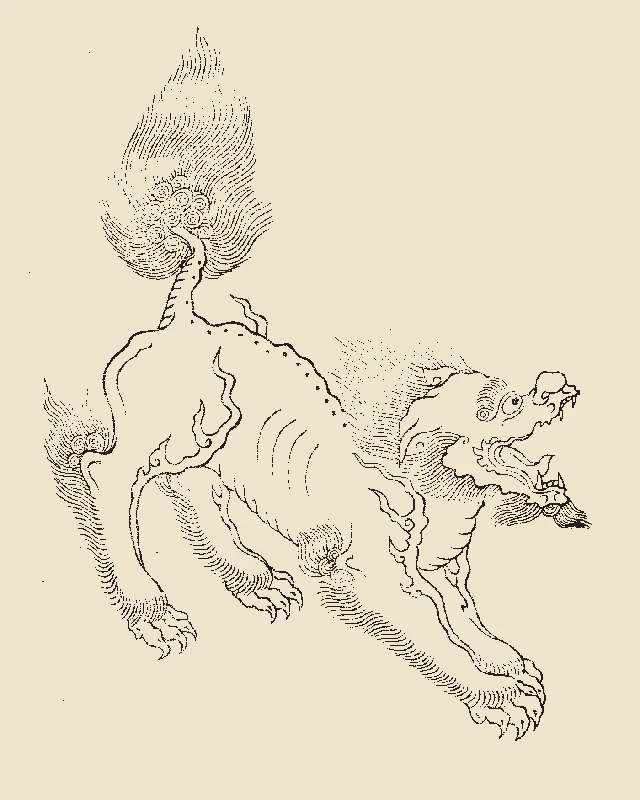
Recorded by Ban Gu in the Hanshu, the Taoba represents the wondrous exotic fauna brought to China along the ancient Silk Road, closely linked with early forms of the Tianlu and Bixie.
The story来历与故事

An exotic Western Regions beast shaped like a hornless qilin; sent as imperial tribute alongside royal lions.

The Lore of Taoba桃拔之古籍神异记述

Caravans emerging from the burning dunes of the Taklamakan brought marvelous rum阳关大道烽烟万里,自帕米尔高原远道而来的使团入觐京师。在装载重金明珠与百兽的彩帐

Caravans emerging from the burning dunes of the Taklamakan brought marvelous rumors to the imperial capital of Chang'an. Among cages of roaring lions and pearl-strung harnesses trotted the Taoba, an animal of unearthly grace. Its form resembled a divine qilin with a satin-smooth golden coat and a tail as long as a fly-whisk.

Mythological Legacy of Taoba《漢書·卷096上》典籍与文化传承

Stone carvings of the Taoba and its horned variants (Tianlu and Bixie) stood guard before imperial tombs from the Han to the Six Dynasties as enduring emblems of sovereignty.

Record档案

Record Card档案卡

Typebeast
Also known asTaoba 桃拔; Fuba 符拔; Tianlu 天祿
HabitatWuyi Shanli (烏弋山離), Western Regions
TributeSent to Han court as imperial tribute alongside lions (遣使獻符拔)
KinshipAllied with the lion and rhinoceros in classical bestiaries
Earliest source漢書·卷096上
Source books漢書·卷096上
後漢書·卷88
Image sourceChen Menglei 陳夢雷 (ed.) · Wikimedia Commons
LicensePublic domain

Frequently Asked Questions

What is the Taoba or Fuba in Chinese history?

The Taoba (also written Fuba) is an exotic deer-like royal beast from the ancient Western Regions (Bactria/Parthia) introduced via the Silk Road.

How is the Taoba related to Tianlu and Bixie?

Ancient commentators including Meng Kang and Li Xian identify the one-horned variant as Tianlu and the two-horned as Bixie, while the hornless variant was the pure Taoba.

Where was Wuyi Shanli located?

Wuyi Shanli was an ancient Hellenistic kingdom southwest of the Pamir Mountains (historically identified with Alexandria Prophthasia / Arachosia in modern Afghanistan).