Qiányáng

羬羊Qianyang

The horse-tailed ram of Mount Qianlai from the Shan Hai Jing: shaped like a sheep with an equine tail, its rendered fat heals chapped dry skin.《山海经》记载钱来山异兽羬羊:状如肥羊而马尾,其脂可以已腊,能疗皮肤皲裂。

Body身形

Like a sheep形貌壮硕若野羊

其狀如羊

Tail长尾

Horse tail身后飘逸骏马尾

馬尾

Cure油脂

Fat cures chapping提炼神脂滋润肌骨

其脂

Power疗效

Heals cracked skin涂抹治愈冻裂干枯

可以已腊

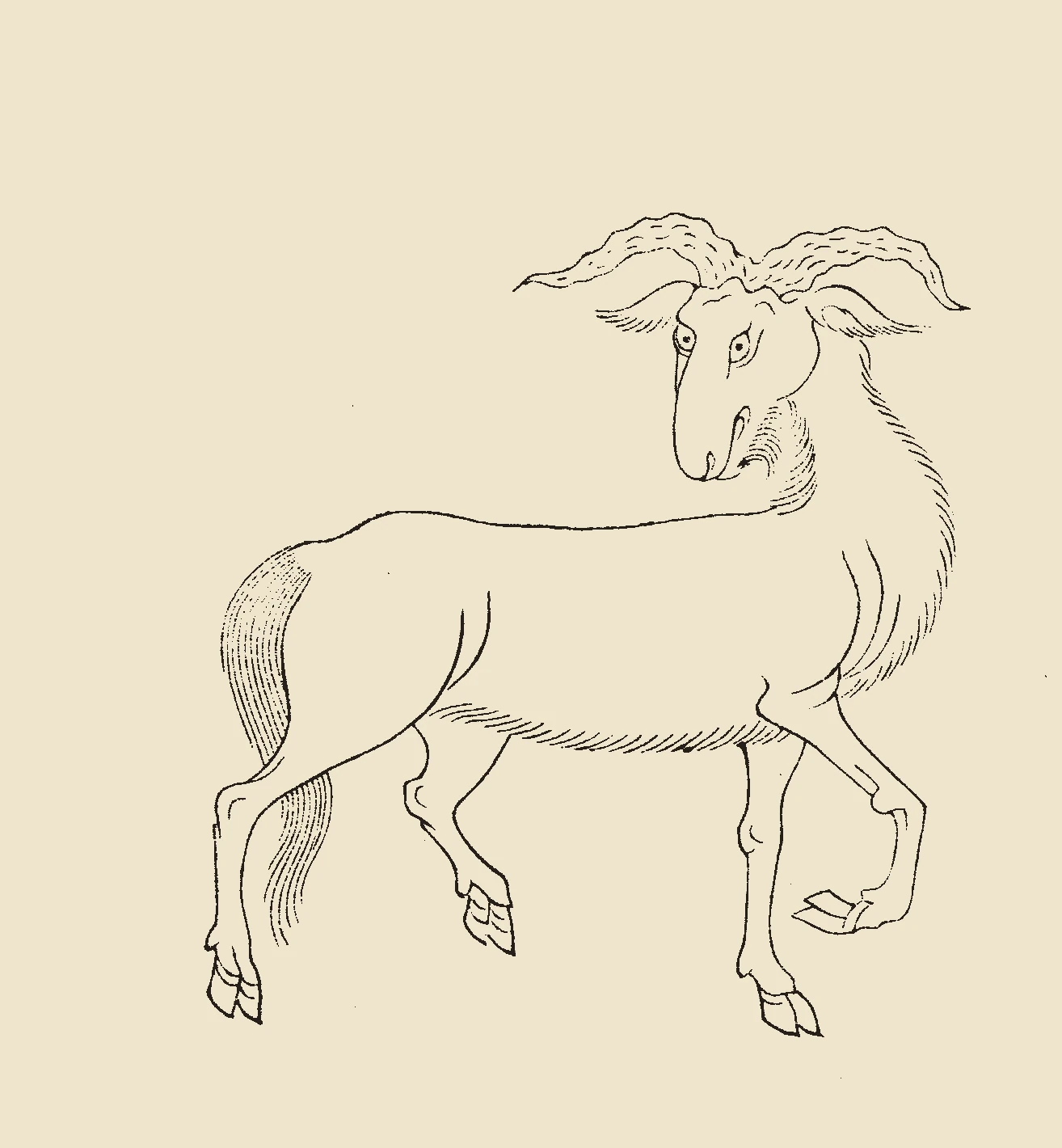
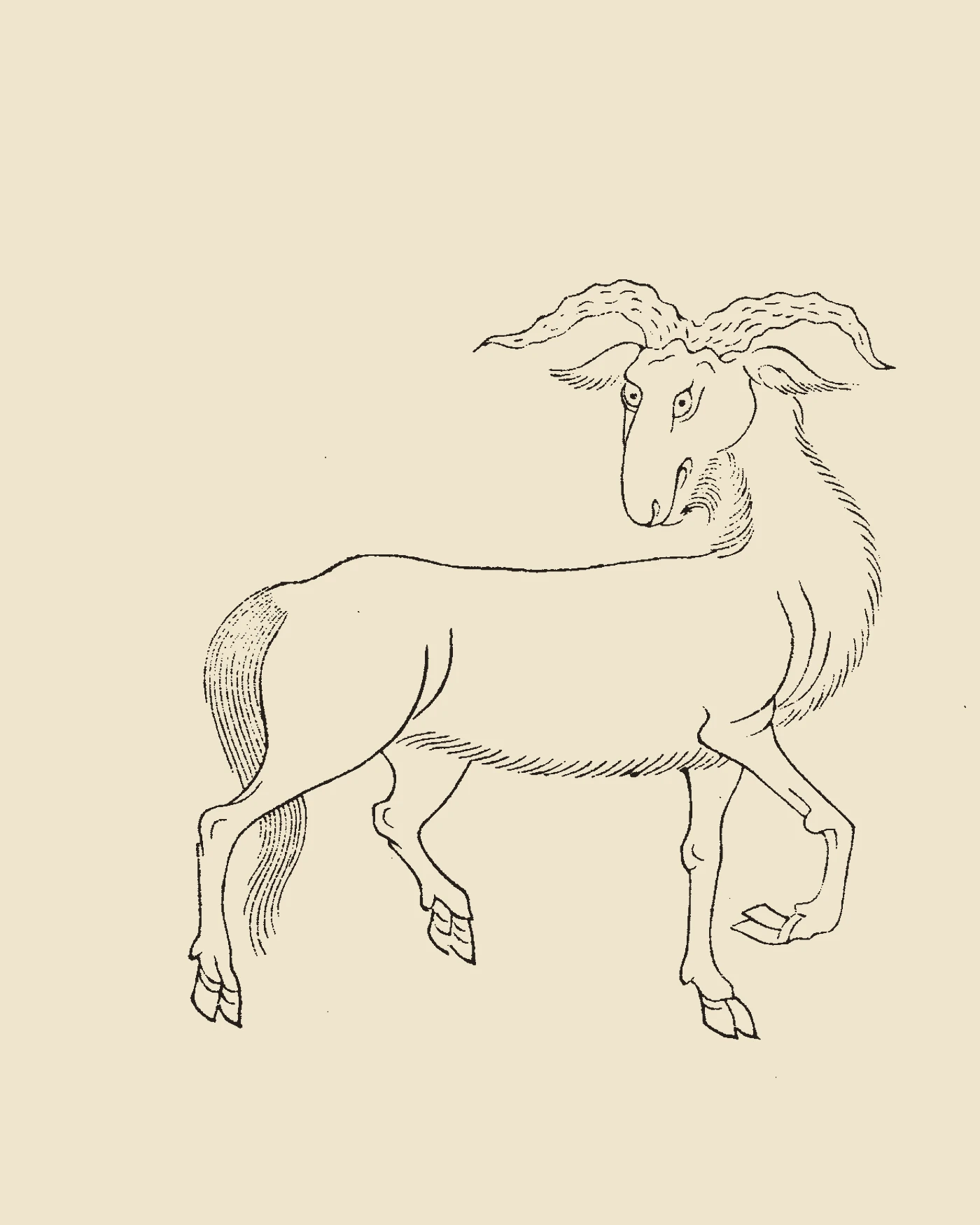
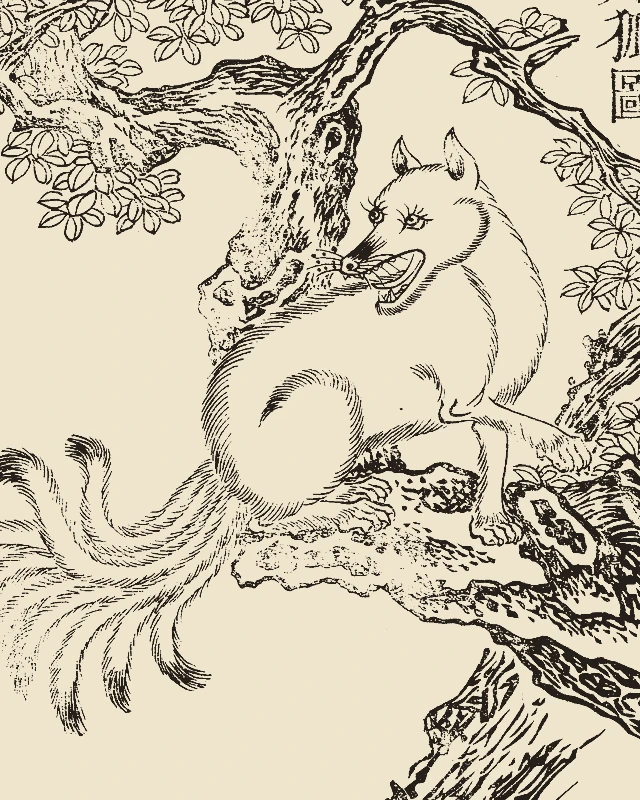
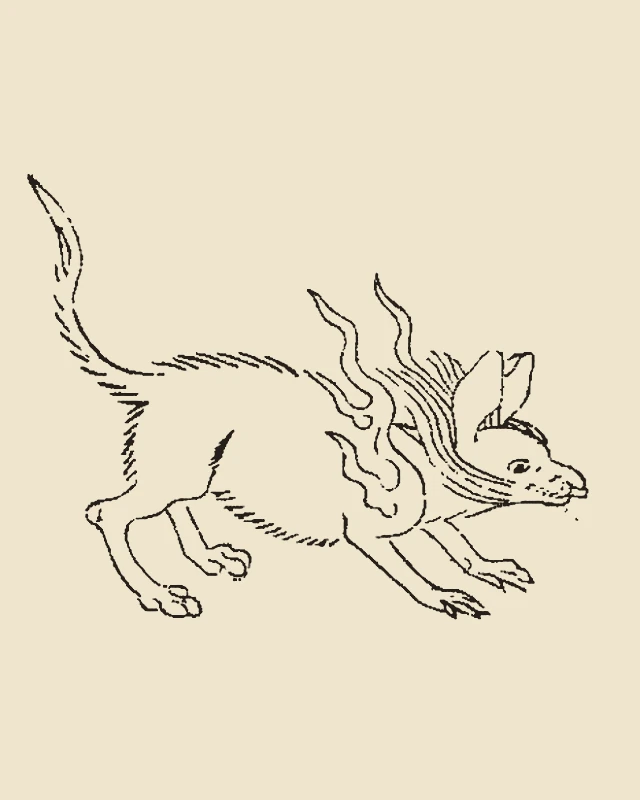
Woodblock print from Gujin Tushu Jicheng showing the robust mountain ram Qianyang with sweeping horse-like tail grazing along cliffs, inscribed 'Qianyang Tu'羊首Ram head & horns盘角羊首羊首Ram head & horns盘角羊首其狀如羊Caprine body健壮羊身其狀如羊Caprine body健壮羊身馬尾Equine tail飘垂马尾馬尾Equine tail飘垂马尾四蹄Sure-footed hooves攀岩四蹄四蹄Sure-footed hooves攀岩四蹄
有獸焉,其名曰羬羊

There is a beast here; its name is Qianyang.

山海經·西山經
羬羊圖, Gujin Tushu Jicheng 古今圖書集成, Qin Chong Dian (Section on Birds and Animals), woodblock print, 1726清·陈梦雷等编《古今图书集成·禽虫典》“羬羊图”,雍正四年(1726)铜活字印本 · Public domain公有领域

Highlighted words: anatomy part · feature · form type — tap to jump标色词:形态部位 · 特征 · 形态类别,点击可跳转

The texts原文

Original Text & Translation原文与译文

山海經·西山經 · 山海經·西山經 · Wikisource

錢來之山,有獸焉,其狀如羊而馬尾,名曰羬羊,其脂可以已腊。
There is a beast here shaped like a sheep with a horse's tail, named Qianyang; its fat can cure chapped, dry skin.

山海經·西山經 · 山海經·西山經 · Wikisource

錢來之山,有獸焉,其狀如羊而馬尾,名曰羬羊,其脂可以已腊。
There is a beast here shaped like a sheep with a horse's tail, named Qianyang; its fat can cure chapped, dry skin.

Comparing the Books典籍对比

The Classic of the Western Mountains documents the Qianyang of Mount Qianlai: a horse-tailed mountain ram prized by early healers for its soothing, skin-restoring fat.
The story来历与故事

A hardy medicinal quadruped of western alpine heights: displaying the muscular frame and curling horns of an alpine ram, counterpointed by a flowing horse’s tail. Prized in early mountain pharmacopeias, its rich rendered fat was ancient China’s sovereign balm against winter chapping and cracked skin.

The Guardian Ram of the Western Gateway钱来之山与马尾神羊

The Shan Hai Jing opens the entire Classic of the Western Mountains with Mount Q《山海经·西山经》华山之首,开篇第一山便是钱来之山,山巅苍松覆岩,山下洗石累累。

The Shan Hai Jing opens the entire Classic of the Western Mountains with Mount Qianlai, a pine-crested summit rising above smooth river stones. Here dwells the Qianyang, an impressive mountain sheep distinguished by a luxuriant equine tail.

Beyond its chimeric tail, the animal held high status in early folk medicine: 'its fat can cure chapped skin' ('qi zhi keyi yi xi'). In cold arid climates, severe winter winds caused debilitating skin cracks and ulcers; rendering the suet of Qianyang provided a protective ointment that softened tissues and restored weathered flesh.

Ancient Mountain Pharmacology and Animal Husbandry先秦草本博物与游牧经验沉淀

Scholars of ancient pharmacology note that the description of Qianyang combines 结合历代本草与方志考订,羬羊的原型融合了古代西北高原大角野羊(如盘羊)的雄健生

Scholars of ancient pharmacology note that the description of Qianyang combines realistic observations of high-altitude wild sheep (such as the Argali) with the practical discovery of lanolin and tallow balms. The Qianyang embodies ancient herdsmen's deep empirical understanding of animal lipids.

In subsequent bestiaries, Qianyang was celebrated as an emblem of gentle nourishment and western tranquility, roaming peacefully through imperial prints.

Record档案

Record Card档案卡

TypeMountain Ram (horse-tailed medicinal beast)
Also known asHorse-Tailed Ram; Healing Ointment Sheep
Earliest sourceShan Hai Jing 山海經 (Classic of the Western Mountains)
Healing PowerIts rendered suet/fat ('zhi') completely heals rough, chapped, dry skin ('yi xi')
HabitatDwells upon Mount Qianlai, the gateway summit of the Western Mountains
SymbolismEarly prototype of classical Chinese winter dermatological balms
Earliest source山海經·西山經
Source books山海經·西山經
Image sourceChen Menglei 陳夢雷 (ed.) · Wikimedia Commons
LicensePublic domain

Frequently Asked Questions

What is the Qianyang in Chinese mythology?

The Qianyang is a mythical sheep from the Shan Hai Jing with a horse's tail. Its rendered fat is celebrated for curing dry and chapped winter skin.

Where is the Qianyang found in the classics?

It is recorded on Mount Qianlai, the very first mountain described in the Classic of the Western Mountains.

What does 'yi xi' mean?

'Yi xi' (已腊) means to heal chapped, frostbitten, or severely cracked skin caused by cold winds.