Báiyè

白鵺Baiye

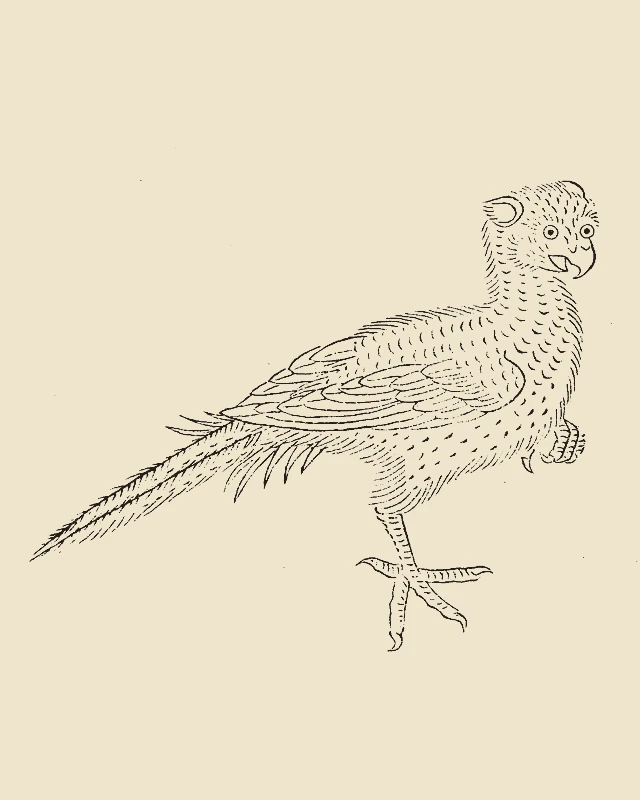
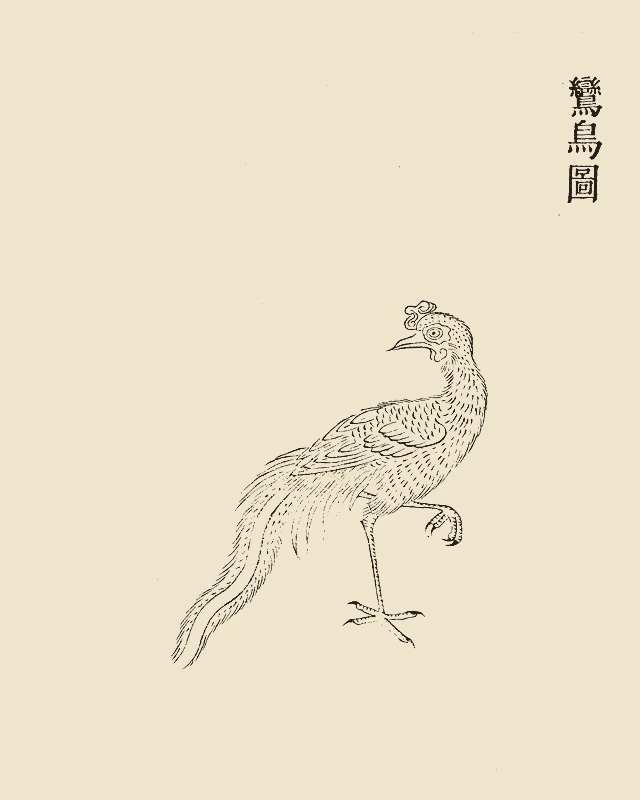
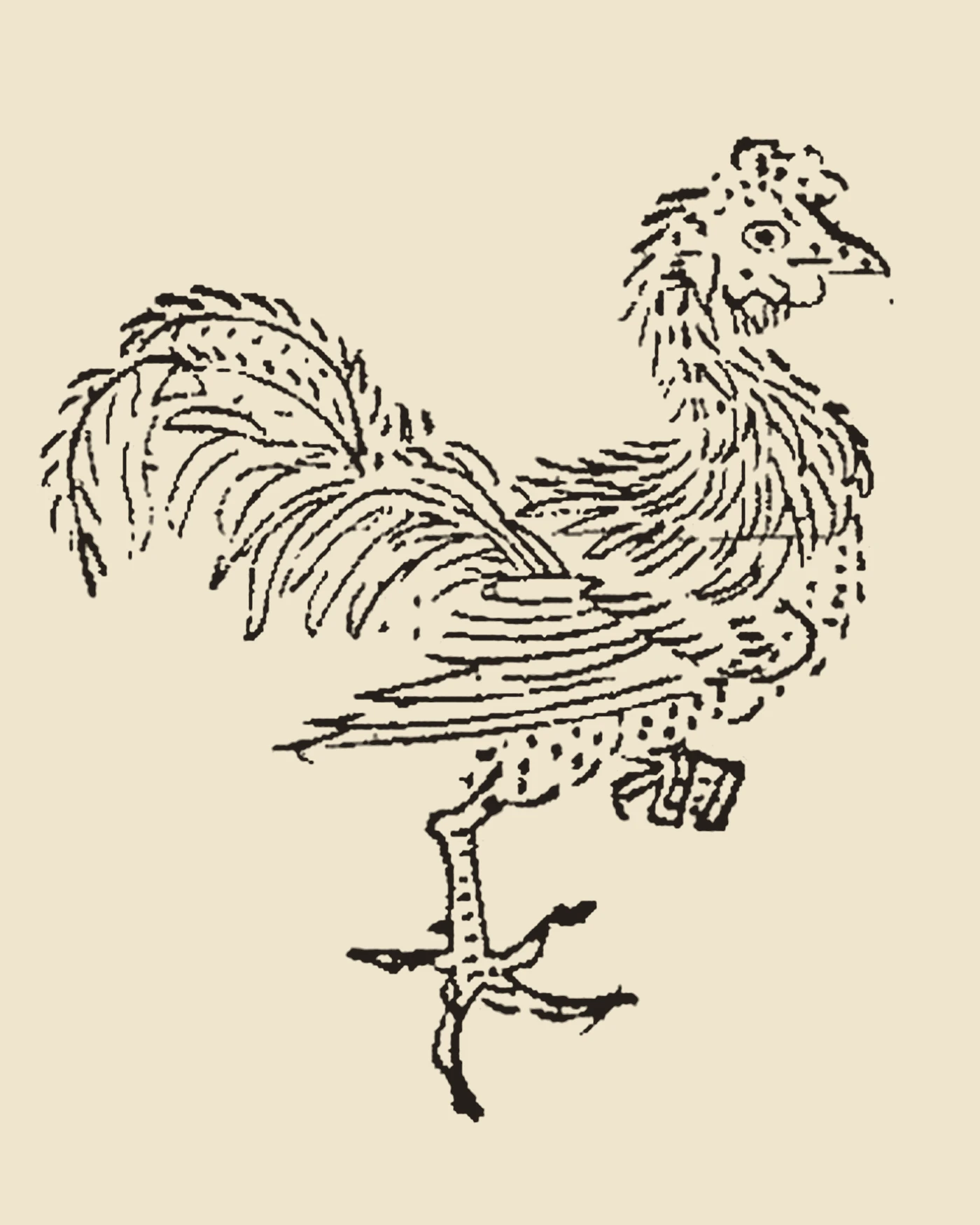
A divine pheasant-like bird of Mount Danzhang with a patterned head, white wings, and yellow feet.《山海经》记载单张之山白鵺:其状如雉,而文首、白翼、黄足,食之已嗌痛。

Head首

Patterned crest生有五彩花纹

文首

Wings翼

White plumage羽翼洁白纯净

白翼

Legs足

Golden yellow claws双爪金黄鲜亮

黃足

Cure效验

Cures throat pain食其肉可疗咽疾

食之已嗌痛

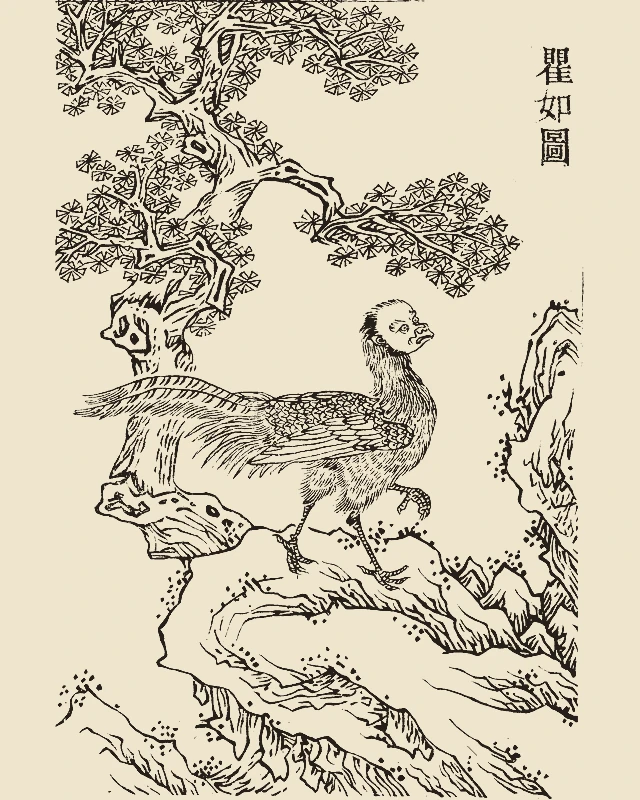
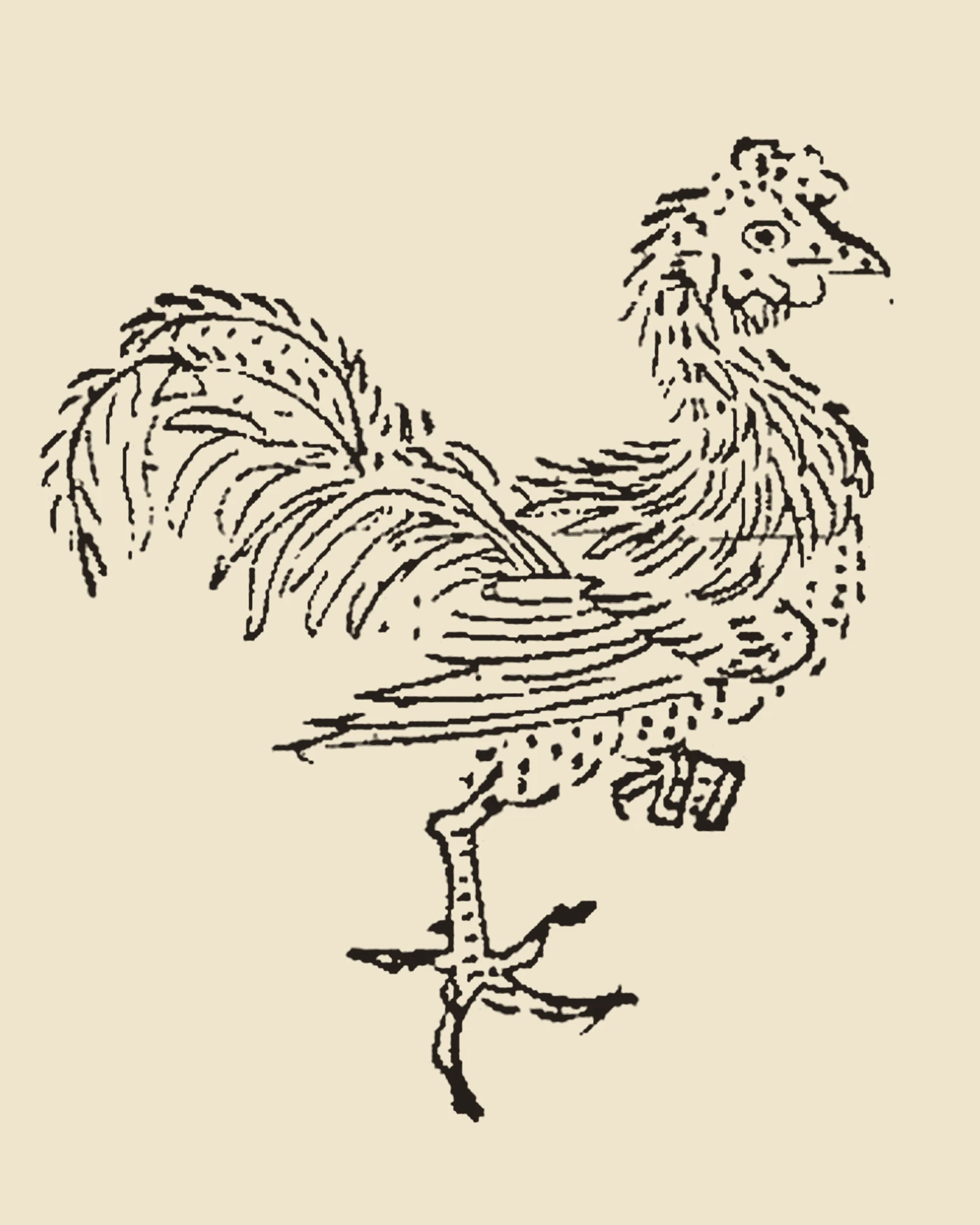
Woodblock print of Baiye, a divine bird perched on rocky slopes, displaying a crested patterned head, white wings, and yellow claws文首Patterned head生有花纹之首文首Patterned head生有花纹之首白翼White wings洁白之双翼白翼White wings洁白之双翼其狀如雉Pheasant body身形如山雉其狀如雉Pheasant body身形如山雉黃足Yellow feet金黄之双爪黃足Yellow feet金黄之双爪
食之已嗌痛,可以已痸

Eating it cures throat pain and remedies palsy.

山海經·北山經
Báiyè 白鵺, the pheasant-like divine bird whose flesh cures throat ailments. Jiang Yinghao 蔣應鎬, Illustrated Shan Hai Jing 山海經圖繪全像, woodblock print, 1597明·蒋应镐绘《山海经图绘全像》“白鵺”,万历二十五年(1597)刻本 · Public domain公有领域

Highlighted words: anatomy part · feature · form type — tap to jump标色词:形态部位 · 特征 · 形态类别,点击可跳转

The texts原文

Original Text & Translation原文与译文

山海經·北山經 · Shan Hai Jing · Wikisource

有鳥焉,其狀如雉,而文首、白翼、黃足,名曰白鵺,食之已嗌痛,可以已痸。
There is a bird here shaped like a pheasant, with a patterned head, white wings, and yellow feet; its name is the Baiye. Eating it cures throat pain and remedies palsy.

Comparing the Books典籍对比

The Shan Hai Jing records the Baiye alongside the ferocious Zhujian beast on Mount Danzhang, contrasting its peaceful healing virtue against wild mountain perils.

The story来历与故事

The Baiye is an auspicious pheasant-like bird of Mount Danzhang in the Shan Hai Jing, renowned in classical pharmacopoeia for curing throat ailments and easing bodily palsy.

The Bird of Mount Danzhang单张之山上的奇鸟

The Baiye is an auspicious pheasant-like bird of Mount Danzhang.单张之山不生草木,山中灵禽白鵺文首白翼黄足。

In the northern ranges recorded by the Classic of Mountains and Seas, Mount Danzhang rises barren of trees and grasses. Upon its rugged heights dwell two remarkable creatures: the fierce one-eyed beast Zhujian, and the peaceful, brightly adorned Baiye.

The text observes that the Baiye resembles a wild pheasant in stature, yet bears an ornate patterned crest upon its head, snowy plumage across its wings, and bright golden legs.

Surrounded by severe mountain terrains where rivers such as the Yue Water spring forth southward toward the Gang River, this vibrant bird stood out as a gentle beacon of vitality.

Healing Virtues in Classical Lore本草与方外灵药

Ancient texts record that consuming its flesh cures throat pain and palsy.古籍载其肉食之已嗌痛,可以已痸。

Ancient Chinese medical folklore consistently viewed mountain birds with unique colourations as living vessels of elemental remedies. Consuming the flesh of the Baiye was recorded as an effective remedy for severe throat pain.

Beyond curing throat soreness, the classical passage affirms that it dispels chi, a condition referring to convulsive spasms, stiffening muscles, and acute rheumatism.

By transforming wild mountain fauna into therapeutic blessings, pre-Qin communities mapped the perilous northern wilderness as an abundant repository of life-preserving substances.
Legacy and Symbolism文学与后世流传

Throughout later imperial compendiums including the Sancai Tuhui and Gujin Tushu Jicheng, the Baiye was continuously commemorated as a model of benevolent medicine.

In Ming-dynasty woodblock illustrations by artists like Jiang Yinghao, the bird is delicately captured upon a rocky promontory, emphasizing its elegant pheasant-like silhouette and poised composure.

Modern bestiaries and mythological anthologies celebrate the creature as an enduring emblem of hope against sickness, preserving ancient harmony between mankind and the avian world.

Record档案

Record Card档案卡

TypeDivine Bird (pheasant-like omen bird with patterned crest and white wings)
Also known asBáiyè 白鵺; Danzhang Baiye (單張白鵺)
HabitatMount Danzhang (單張之山) in the Northern Mountains
UseEating its flesh cures throat pain and dispels palsy (食之已嗌痛,可以已痸)
Earliest source山海經·北山經
Source books山海經·北山經
Image sourceJiang Yinghao 蔣應鎬 (illus.) · Wikimedia Commons
LicensePublic domain

Frequently Asked Questions

What kind of bird is the Baiye in Chinese mythology?

The Baiye is a classical mythical bird recorded in the Classic of the Northern Mountains in the Shan Hai Jing. It resembles a pheasant in body, characterized by a patterned head, white wings, and bright yellow feet.

What medical powers did ancient people attribute to the Baiye?

Ancient texts state that consuming the flesh of the Baiye cures severe throat soreness (yi tong) and effectively alleviates acute muscular spasms and rheumatic palsy (chi).

How is the Baiye depicted in Ming-dynasty woodblock prints?

In the 1597 Illustrated Shan Hai Jing by Jiang Yinghao, the Baiye is drawn standing calmly on craggy stones, sporting an elongated pheasant tail, folded white wings, and a distinct crown cartouche.