Lù

鯥Lu

The amphibious ox-like fish of Mount Di from the Shan Hai Jing: bearing wings beneath its flanks and a snake tail, it lives ashore and cures swellings.《山海经》记载柢山之中异鱼鯥:其状如牛,蛇尾有翼,冬死夏生,食之无肿疾。

Body身形

Like an ox身躯形貌如牛

其狀如牛

Wings羽翼

Winged serpent tail长蛇细尾生双翅

蛇尾有翼

Home居所

Dwells on land居于丘陵陆地

陵居

Cure疗效

Prevents swellings食之无肿疡疾

食之無腫疾

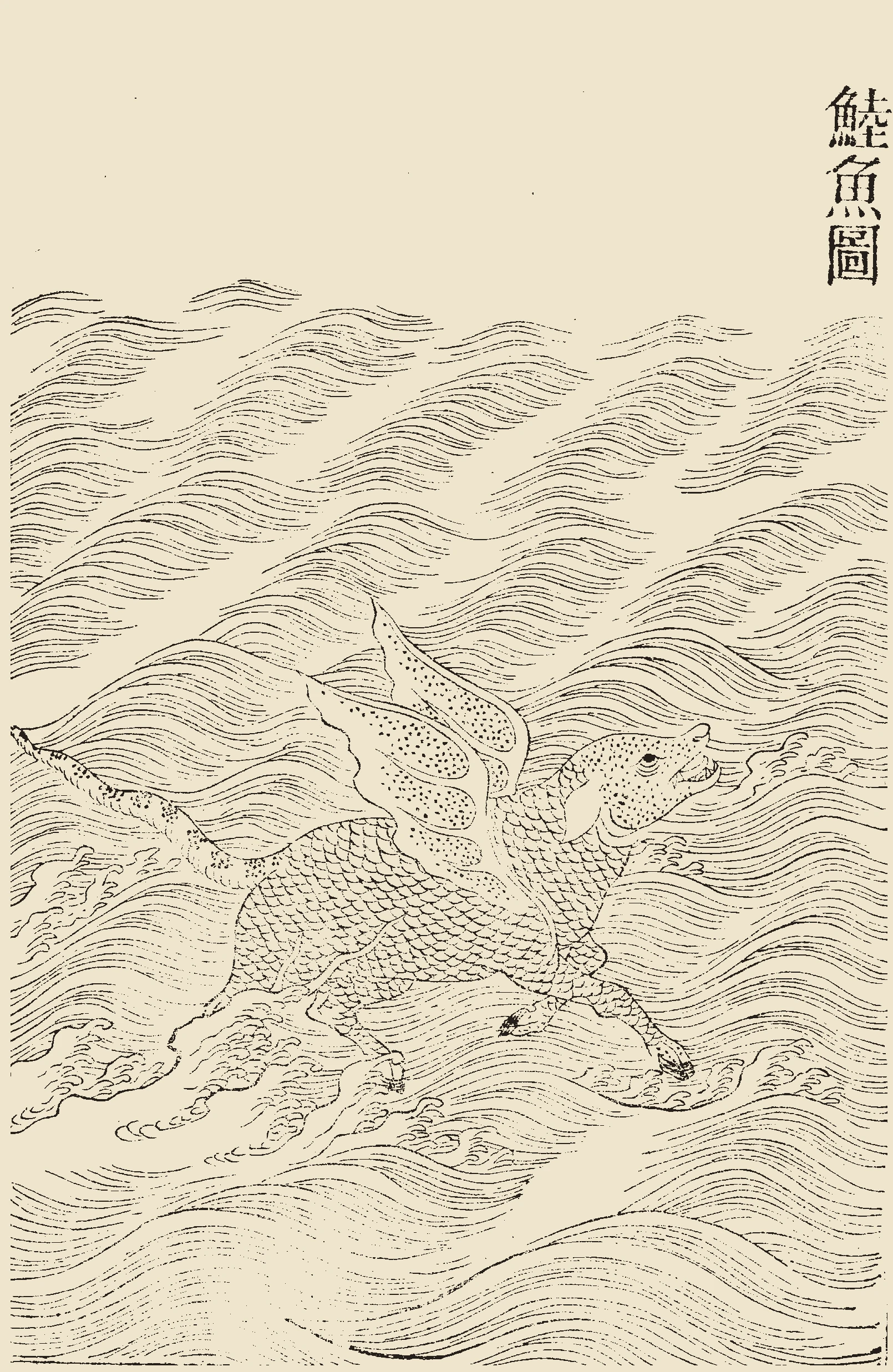
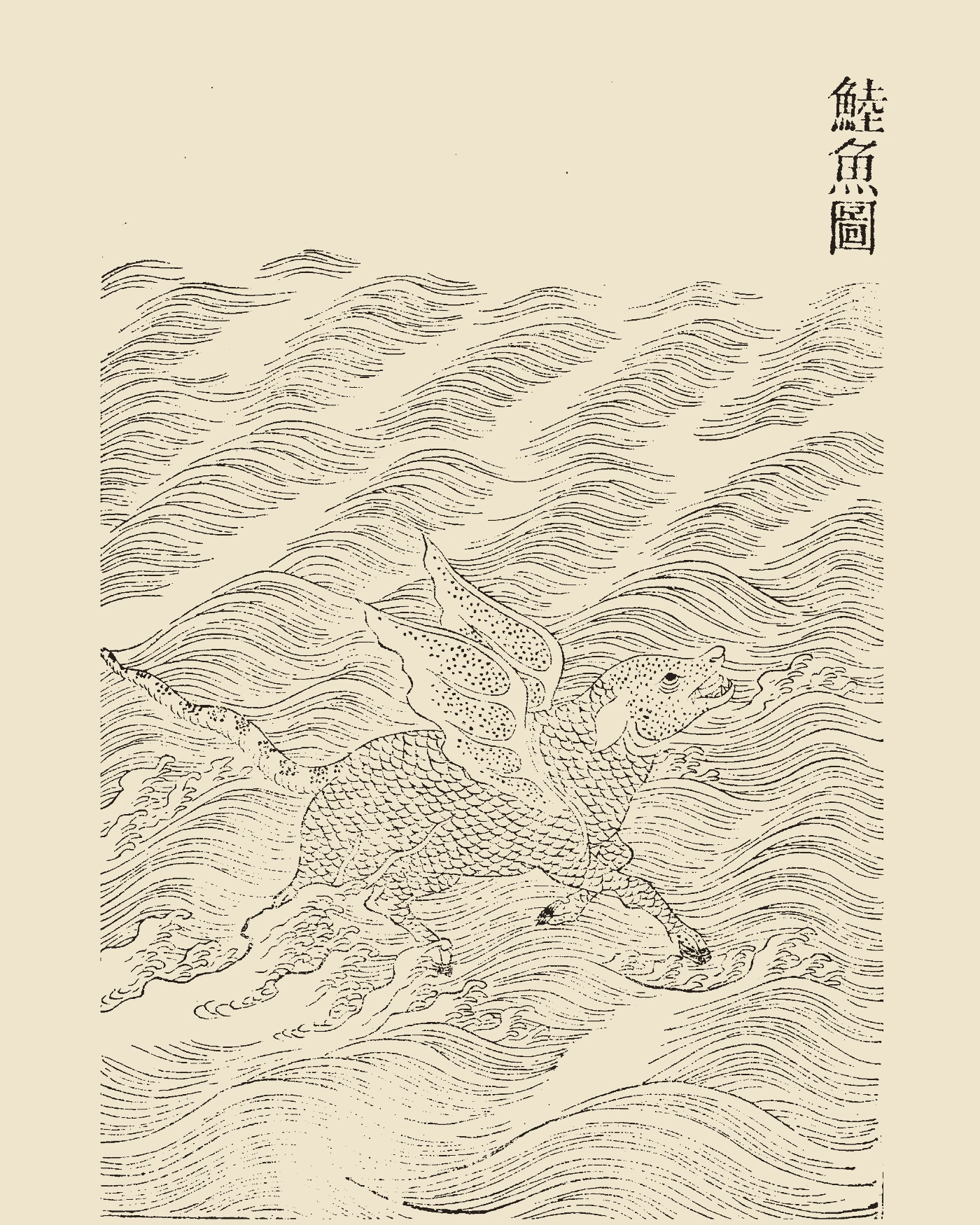
Woodblock print from Gujin Tushu Jicheng showing Lu, an ox-like fish with wings and a snake tail其狀如牛Ox-like head形貌如牛其狀如牛Ox-like head形貌如牛蛇尾有翼Wings beneath flanks胁下生翼蛇尾有翼Wings beneath flanks胁下生翼蛇尾Serpent tail蜿蜒蛇尾蛇尾Serpent tail蜿蜒蛇尾陵居Terrestrial fish body陵居鱼身陵居Terrestrial fish body陵居鱼身
有魚焉,其名曰鯥

There is a fish here; its name is Lu.

山海經·南山經
Lu Yu Tu 鯥魚圖, the ox-like fish with wings and a snake tail. Gujin Tushu Jicheng 古今圖書集成, Animal Kingdom, juan 404, woodblock print, 1726清·陈梦雷等编《古今图书集成·禽虫典》卷四百零四“鯥鱼图”,雍正四年(1726)铜活字印本 · Public domain公有领域

Highlighted words: anatomy part · feature · form type — tap to jump标色词:形态部位 · 特征 · 形态类别,点击可跳转

The texts原文

Original Text & Translation原文与译文

山海經·南山經 · Shan Hai Jing · Wikisource

有魚焉,其狀如牛,陵居,蛇尾有翼,其羽在魼下,其音如留牛,其名曰鯥,冬死而夏生,食之無腫疾。
There is a fish here whose form resembles an ox; it dwells ashore, has a snake tail and wings, with its feathers beneath the flanks. Its sound is like a lowing ox. Its name is Lu; it dies in winter and revives in summer, and eating it prevents swelling sickness.

Comparing the Books典籍对比

The Shan Hai Jing records Lu as an extraordinary land-dwelling ox-like fish with wings and a seasonal revival cycle, whose flesh wards off swellings.
The story来历与故事

The ox-like amphibious fish of Mount Di in the Shan Hai Jing: with a snake tail and wings beneath its flanks, it sounds like an ox and prevents swellings.

The Amphibious Fish of Mount Di柢山异鱼:其名曰鯥

Lu is an amphibious ox-like fish dwelling upon Mount Di.《南山经》记载柢山多水而无草木,其中有鱼名曰鯥。

In the Classic of the Southern Mountains, the creature Lu dwells upon Mount Di, where abundant waters flow without vegetation.

The text identifies it as a fish, yet notes that it lives ashore upon the mounds and hills.

Ox Form, Snake Tail, and Medicinal Virtue牛状蛇尾:食无肿疾

It has wings under its flanks, sounds like an ox, and prevents swellings.经文记其状如牛,陵居,蛇尾有翼,其音如留牛,食之无肿疾。

The classical record describes Lu as resembling an ox in form, bearing a snake's tail and wings beneath its flanks.

Its cry resembles a bellowing ox; it dies in winter and revives in summer, and eating its flesh prevents swelling diseases.

The Gujin Tushu Jicheng Woodblock Print清代图谱:柢山鯥鱼

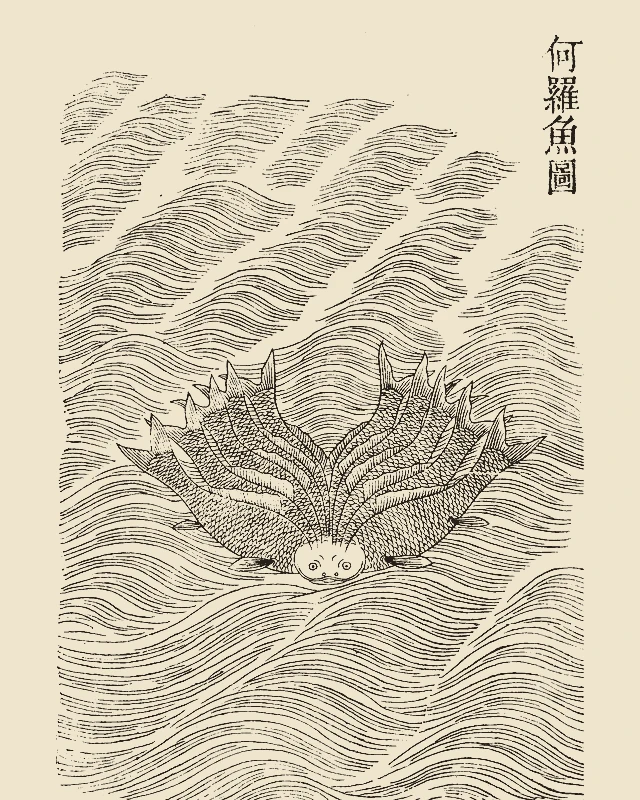
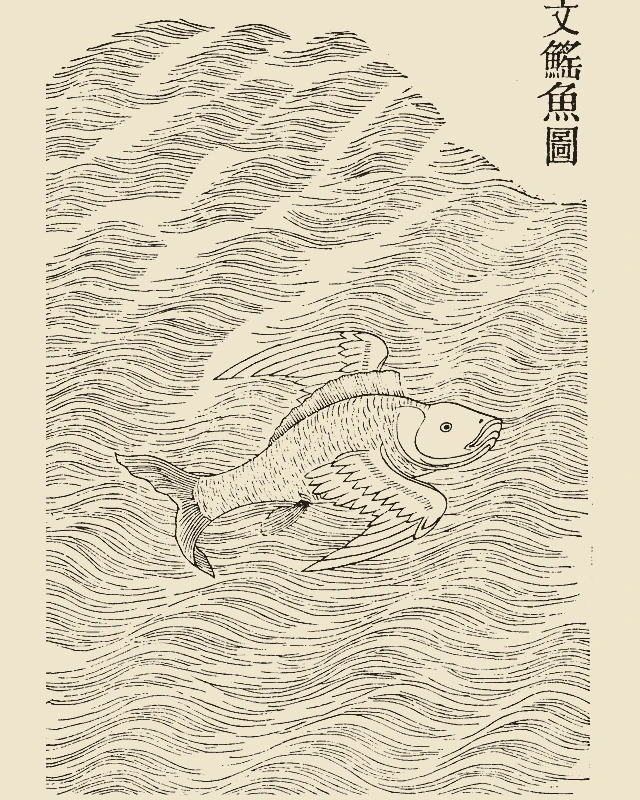
Woodblock prints depict it as an ox-headed winged fish over rolling waters.《古今图书集成》画其为一尾牛首蛇尾、生有双翼立于波涛间的异鱼。

The 1726 imperial encyclopedia Gujin Tushu Jicheng depicts Lu as an ox-headed aquatic creature with outspread wings, inscribed Lu Yu Tu in the upper right.

The woodblock print illustrates its curved serpent-like tail and fin-flanked wings poised amidst rolling waves.

Record档案

Record Card档案卡

TypeAmphibious Beast (ox-like winged fish of Mount Di)
Also known asLù 鯥; Lu Fish (鯥魚)
HabitatMount Di (柢山) in the Southern Mountains, where waters abound without grass
HabitLives ashore on hills; dies in winter and revives in summer
EffectPrevents swellings and sores (食之無腫疾)
Earliest source山海經·南山經
Source books山海經·南山經
Image sourceChen Menglei 陳夢雷 (ed.) · Wikimedia Commons
LicensePublic domain

Frequently Asked Questions

What does Lu look like in the Shan Hai Jing?

The text describes it as a fish shaped like an ox, with a snake tail and wings beneath its flanks.

What seasonal cycle is attributed to Lu?

The Shan Hai Jing notes that it dies in winter and revives in summer ('dies in winter and lives in summer').

What medicinal effect is recorded for Lu?

Ancient text records that eating its flesh prevents swelling ailments ('eating it cures swelling sickness').