Fěi

蜚Fei

The one-eyed plague beast of Mount Tai in the Shan Hai Jing: with a white head and snake tail, its steps wither water and grass and its sighting brings universal pestilence.《山海经》记载太山凶兽蜚:状如牛而白首,一目而蛇尾,行水则竭,行草则死,见则天下大疫。

Head头首

White head with one eye纯白面额独目

白首

Body身形

Ox-like torso and snake tail健硕如牛蛇尾

其狀如牛

Peril灾异

Causes universal pestilence招致四海瘟疾

見則天下大疫

Power异能

Withers waters and grasses枯涸川泽焦卉

行水則竭,行草則死

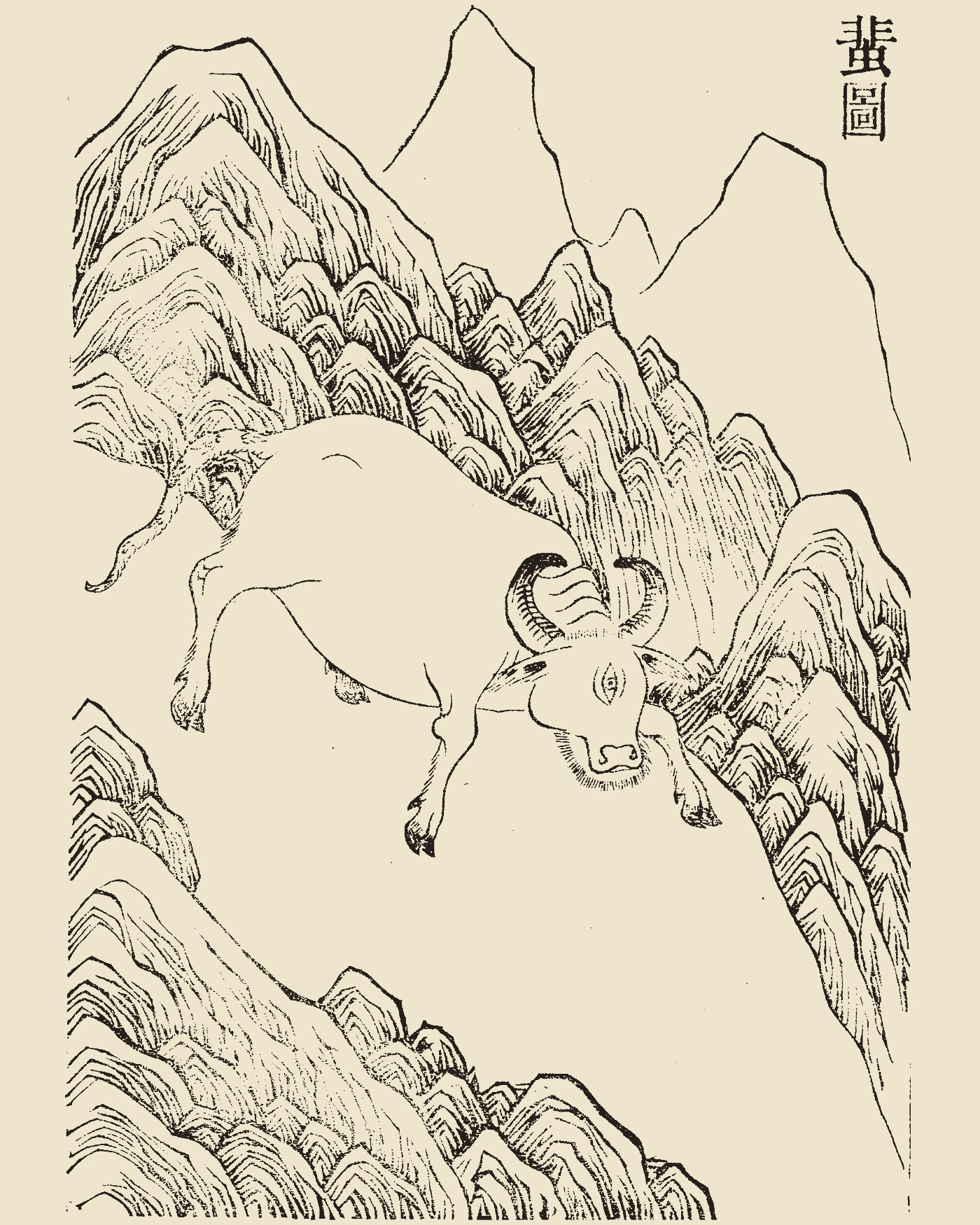
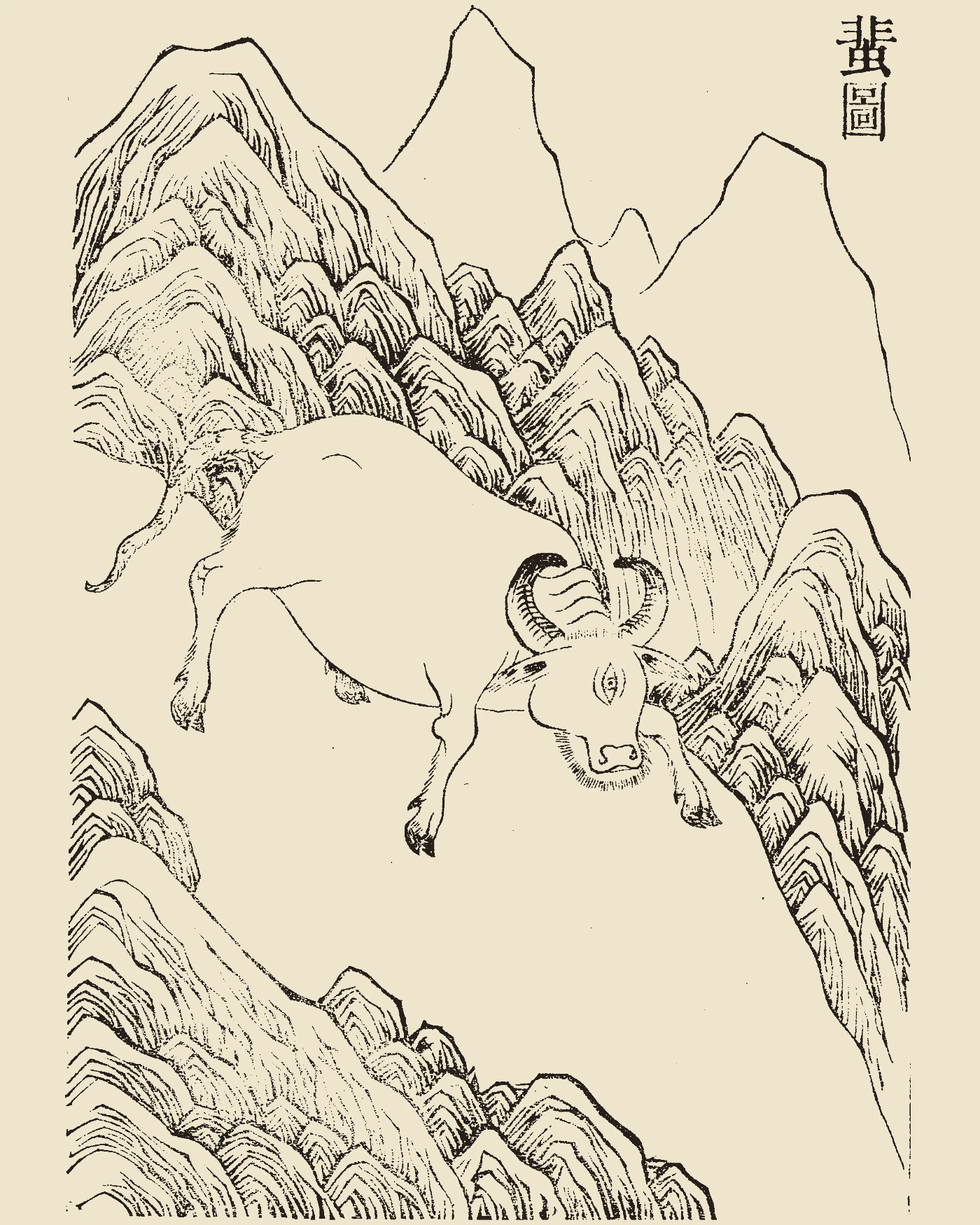
Woodblock print from Gujin Tushu Jicheng showing Fei, a one-eyed ox-like beast with a white head and snake tail白首White head & horns白首角端白首White head & horns白首角端一目Solitary eye额前独目一目Solitary eye额前独目狀如牛Ox-like body如牛壮躯狀如牛Ox-like body如牛壮躯蛇尾Serpent tail灵蛇长尾蛇尾Serpent tail灵蛇长尾
有獸焉,其名曰蜚

There is a beast here; its name is Fei.

山海經·東山經
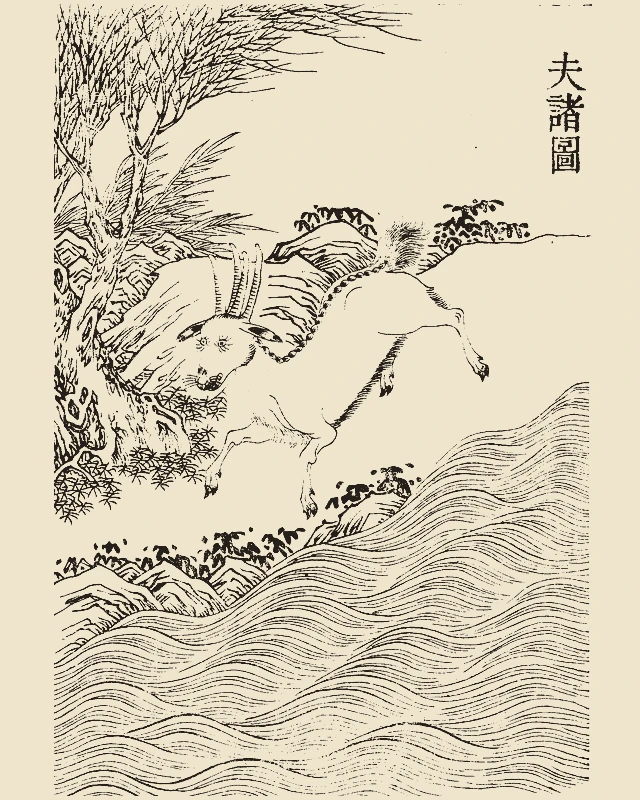
Fei Tu 蜚圖, the one-eyed plague omen beast. Gujin Tushu Jicheng 古今圖書集成, Animal Kingdom, juan 293, woodblock print, 1726清·陈梦雷等编《古今图书集成·禽虫典》卷二百九十三“蜚图”,雍正四年(1726)铜活字印本 · Public domain公有领域

Highlighted words: anatomy part · feature · form type — tap to jump标色词:形态部位 · 特征 · 形态类别,点击可跳转

The texts原文

Original Text & Translation原文与译文

山海經·東山經 · Shan Hai Jing · Wikisource

有獸焉,其狀如牛而白首,一目而蛇尾,其名曰蜚,行水則竭,行草則死,見則天下大疫。
There is a beast here shaped like an ox with a white head, one eye, and a snake tail, named Fei; walking through water dries it up, and walking through grass kills it; when seen, there will be a great plague throughout the world.

Comparing the Books典籍对比

The Shan Hai Jing portrays Fei alongside Heyu on the Eastern Mountain peaks as dread calamity beasts, bringing plague just as Heyu brings primordial deluges.
The story来历与故事

The one-eyed plague beast of Mount Tai in the Shan Hai Jing: shaped like an ox with a white head and snake tail, its sighting brings dread universal pestilence.

The Beast of Mount Tai太山异兽:其名曰蜚

Fei is a one-eyed plague beast dwelling on Mount Tai.《东山经》记载太山多金玉桢木,其中有兽名曰蜚。

In the Classic of the Eastern Mountains, Fei dwells upon Mount Tai, two hundred li northeast of Mount Shan.

The mountain summit is rich in gold, jade, and glossy privet trees, where the Gou River flows north into the Lao River.

Ox Form, Pestilence, and Dried Waters水竭草死:天下大疫

Its passage dries waters, kills grass, and brings plague.经文记其行水则竭,行草则死,见则天下大疫。

The Shan Hai Jing details that Fei resembles an ox with a pure white head, a single centered eye, and a serpent tail.

Whenever it wades into water the streams instantly evaporate, walking through grasses instantly withers them, and its sighting portends universal pestilence ('jian ze tian xia da yi').

The Gujin Tushu Jicheng Woodblock Print清代图谱:独目蜚兽

Woodblock prints illustrate it with bovine horns and trailing snake tail.《古今图书集成》画其为一头牛形独目、后拖细长蛇尾之灾异神兽。

The 1726 imperial encyclopedia Gujin Tushu Jicheng depicts Fei standing amidst crags with curled bovine horns and a sinuous snake tail.

The woodblock engraving illustrates its solitary forehead eye, cloistered flanks, and title cartouche reading Fei Tu in the upper right.

Record档案

Record Card档案卡

TypePlague Beast (one-eyed, snake-tailed ox beast whose sighting brings universal pestilence)
Also known asFěi 蜚; Taishan Fei (太山之蜚)
HabitatMount Tai (太山) in the Eastern Mountains, rich in gold, jade, and glossy privet trees
OmenWidespread universal pestilence across the entire world (見則天下大疫)
Earliest source山海經·東山經
Source books山海經·東山經
Image sourceChen Menglei 陳夢雷 (ed.) · Wikimedia Commons
LicensePublic domain

Frequently Asked Questions

What does Fei look like in the Shan Hai Jing?

The classic describes Fei as resembling an ox with a white head, a single eye, and a snake tail ('shaped like an ox with a white head, one eye, and a snake tail').

What catastrophic powers are attributed to Fei?

Ancient texts record that walking through water dries it up and walking through grass withers it ('walking in water dries it up; walking in grass kills it').

What omen is associated with the sighting of Fei?

The classic states that when Fei appears, there will be great pestilence throughout the world ('when seen, there is great plague throughout the world').